
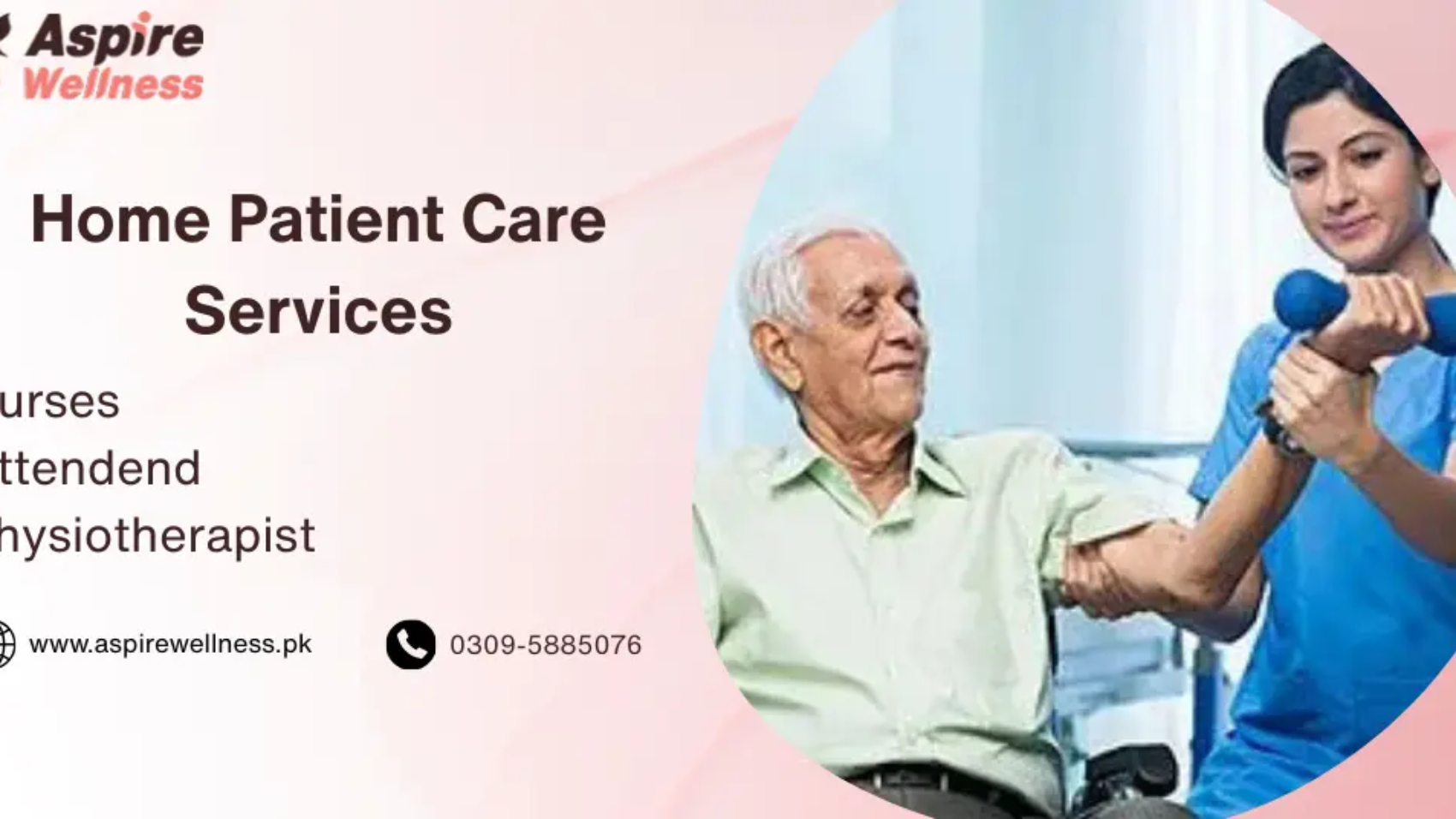
Many people assume that physical rehabilitation is simply a set of exercises prescribed after an injury or surgery. This is a common misconception. In reality, physical rehabilitation is a comprehensive, evidence-based approach designed not only to restore movement but also to address the root causes of pain, improve strength, and prevent future injuries. Whether you’re recovering from surgery, a sports injury, or dealing with chronic pain, advanced physical rehabilitation helps you regain function and enjoy an active, pain-free lifestyle.
Unlike basic physiotherapy, which often focuses solely on temporary symptom relief, physical rehab integrates manual therapy, exercise therapy, and modern treatment technologies to provide long-lasting recovery. It’s suitable for patients of all ages, including athletes, seniors, post-surgery patients, and anyone looking to restore mobility and strength safely.
Why Rehabilitation Is More Than Just Exercises
Traditional physiotherapy often revolves around standard exercises and pain management strategies. Many people think that once they complete a few stretches or therapy sessions, their recovery is complete. However, this approach may provide short-term relief without addressing the underlying causes of dysfunction. rehabilitation takes a holistic and patient-centered approach.
What Sets Rehabilitation Apart
Rehabilitation is unique because it focuses on functional recovery and long-term improvement, rather than only alleviating pain. Key features include:
-
Targeted Pain Relief: Techniques such as manual therapy, soft tissue mobilization, and electrotherapy address both symptoms and root causes.
-
Mobility & Strength Restoration: Tailored exercise programs and therapeutic movement training improve joint function, muscle strength, and flexibility.
-
Evidence-Based Treatment: Modern rehabilitation uses advanced physiotherapy techniques supported by clinical research.
-
Injury Prevention: By correcting movement patterns and improving biomechanics, physical rehab reduces the risk of recurring injuries.
Patients seeking rehabilitation for chronic pain or rehabilitation for post-surgery recovery often notice faster and more sustainable results. This approach is especially valuable for regaining mobility, confidence, and independence in daily life.
What Is Rehabilitation?
Rehabilitation is a structured clinical process aimed at restoring movement, function, and quality of life. It is provided by trained physiotherapists and may include a combination of manual therapy, exercise therapy, and advanced rehabilitation techniques such as electrotherapy, laser therapy, and functional movement programs.
Key Goals of Rehabilitation
-
Restore Functional Movement: Regain mobility after injury, surgery, or chronic conditions.
-
Reduce Pain and Discomfort: Manage chronic pain, joint stiffness, or post-injury discomfort.
-
Improve Strength & Flexibility: Personalized exercise programs rebuild muscle strength, balance, and flexibility.
-
Prevent Future Injuries: Advanced assessment and movement correction reduce the likelihood of recurring injuries.
An advanced rehabilitation clinic often provides personalized rehabilitation programs, ensuring each patient receives care specific to their condition and recovery goals. Whether it’s rehabilitation for seniors, rehabilitation for sports injuries, or rehabilitation for joint and muscle injuries, the approach is always tailored and results-driven.
Rehabilitation vs Traditional Therapy
Many people assume that all physiotherapy or rehab is the same, but rehabilitation differs significantly from traditional therapy methods. While both aim to restore movement and reduce pain, physical rehabilitation offers a more comprehensive, personalized, and technology-driven approach, resulting in faster and more sustainable recovery.
Depth of Treatment
Traditional therapy often focuses on managing symptoms—relieving pain, stiffness, or swelling. While this can provide short-term relief, it does not always address the underlying causes of dysfunction. Physical rehabilitation emphasizes root-cause analysis, including:
-
Muscle imbalances
-
Joint misalignment
-
Poor biomechanics
-
Neurological dysfunction
By targeting these issues, physical rehabilitation ensures long-term recovery, helping patients regain full mobility and strength.
Speed of Recovery
One of the key advantages of physical rehabilitation is accelerated recovery. Using advanced techniques such as manual therapy, electrotherapy, shockwave therapy, and functional movement training, patients often experience faster improvements compared to conventional physiotherapy. This makes it ideal for:
-
Physical rehabilitation for post-surgery recovery
-
Physical rehabilitation for sports injuries
-
Physical rehabilitation for chronic pain
Technology vs Conventional Methods
A modern physical rehabilitation clinic incorporates state-of-the-art technologies to enhance treatment outcomes. These may include:
-
Electrotherapy to stimulate muscles and nerves
-
Laser therapy to promote tissue healing and reduce inflammation
-
Shockwave therapy for soft tissue repair
-
Gait and functional movement analysis to correct posture and movement patterns
Traditional physiotherapy, in comparison, often relies mostly on basic exercises and manual techniques, which may be less precise and slower in delivering results.
Outcomes Comparison
Patients who undergo advanced physical rehabilitation often experience:
-
Restored joint mobility and muscle strength
-
Corrected movement patterns for better biomechanics
-
Reduced risk of re-injury or chronic pain
-
Faster and safer return to sports or daily activities
Traditional therapy may provide temporary relief but often fails to address long-term functional improvement, making recurrence of pain or injury more likely.
Who Benefits Most?
While physical rehabilitation benefits a wide range of patients, certain groups gain the most noticeable results:
-
Chronic pain patients seeking long-term relief
-
Athletes and active individuals aiming for performance restoration
-
Post-surgery patients requiring structured rehabilitation
-
Seniors or individuals with joint and mobility issues
By combining personalized rehab plans, modern techniques, and expert guidance, physical rehabilitation provides a higher standard of care compared to traditional therapy.
Who Needs Physical Rehabilitation?
Advanced physical rehabilitation is ideal for a wide range of patients. Anyone experiencing movement restrictions, chronic pain, or recurring injuries can benefit.
Post-Surgery Patients
Structured rehab after surgery supports recovery and prevents complications. Physical rehabilitation for post-surgery recovery ensures safe and efficient restoration of movement.
Athletes & Active Individuals
Sports or physically active individuals benefit from physical rehabilitation for sports injuries. Performance-focused programs restore mobility, flexibility, and biomechanics, helping prevent re-injury.
Chronic Pain & Mobility Issues
Patients with chronic pain, back pain, neck pain, or joint stiffness benefit from targeted therapy. Physical rehabilitation for chronic pain addresses root causes and improves overall mobility and function.
Seniors & Recovery Programs
For older adults, physical rehabilitation for seniors maintains independence, mobility, and overall quality of life. Personalized programs help improve balance, strength, and flexibility safely.
Conditions Treated with Physical Rehabilitation
-
Back Pain & Spine Disorders – including chronic back pain and postural issues
-
Joint & Muscle Injuries – knees, shoulders, hips, and soft tissue strains
-
Post-Surgery & Accident Recovery – structured rehab programs for safe recovery
-
Neurological Conditions – post-stroke rehab, balance, and coordination therapy
Advanced Physical Rehabilitation Techniques
Modern physical rehabilitation uses techniques that maximize recovery:
-
Manual Therapy & Joint Mobilization – restores proper movement and joint function
-
Therapeutic Exercise Programs – rebuild strength, flexibility, and endurance
-
Electrotherapy & Laser Therapy – promotes tissue healing and reduces pain
-
Shockwave Therapy – accelerates soft tissue recovery
-
Functional Movement & Gait Training – corrects posture and movement patterns
How Physical Rehabilitation Improves Mobility & Strength
Physical rehabilitation for mobility improvement focuses on functional rehabilitation and movement correction. Programs aim to:
-
Restore proper biomechanics
-
Improve muscle strength, flexibility, and balance
-
Correct posture and movement patterns
-
Prevent recurrence of injuries
How to Choose a Physical Rehabilitation Clinic
If you’re searching for a physical rehabilitation clinic near me, consider the following:
-
Certified and experienced physiotherapists
-
Use of modern rehabilitation technologies
-
Personalized, evidence-based treatment plans
-
Focus on long-term functional recovery
Benefits of Physical Rehabilitation Over Basic Therapy
Choosing advanced physical rehabilitation over traditional methods provides:
-
Faster recovery timelines
-
Long-term pain relief
-
Reduced reliance on medication
-
Prevention of recurring injuries
-
Improved functional movement and overall quality of life
Frequently Asked Questions About Physical Rehabilitation
Is physical rehabilitation painful?
No, treatments are designed to be comfortable while effectively addressing dysfunction.
How long does physical rehabilitation take?
Recovery varies per condition, but personalized programs optimize results efficiently.
Is physical rehabilitation better than standard physiotherapy?
Yes, it targets underlying causes and uses modern techniques for faster, long-lasting results.
Can physical rehabilitation prevent surgery?
In many cases, targeted rehab can reduce the need for surgery by restoring function naturally.
Who should avoid physical rehabilitation?
Patients with specific medical restrictions should consult their physician before starting therapy.
Final Thoughts – Is Physical Rehabilitation Right for You?
If you want faster recovery, lasting pain relief, and improved mobility, physical rehabilitation is the ideal choice. From chronic pain to post-surgery rehab and athletic performance, physical rehabilitation delivers personalized, evidence-based care that helps you move better, regain strength, and maintain long-term health.
- Clinic Name: Aspire Wellness
- Address: DHA Phase 2 Ext Karachi
- Phone Number: 03095885076
- Website: https://aspirewellness.pk
- Google Maps URL: https://maps.app.goo.gl/QF5LJZUkJTRgnR2TA