
Hijama Therapy in Karachi

Hijama Therapy in Karachi: Ancient Healing Meets Modern Wellness (2025 Guide)

Many people still believe that Hijama therapy is outdated — something old-fashioned or only done for religious reasons.
But that’s far from the truth.

Today, Hijama therapy in Karachi has evolved into a modern, science-backed wellness treatment trusted by athletes, professionals, and wellness enthusiasts alike. This traditional cupping therapy is now performed in sterile, professional clinics by certified therapists, offering relief from pain, stress, detoxification, hormonal imbalance, and even beauty concerns.

If you’ve been searching for “best Hijama center in Karachi” or “Hijama near me,” this complete guide covers everything — from the benefits and types of Hijama to how to choose the right Hijama therapist in Karachi.


1. What is Hijama Therapy and Why Karachi Residents Are Turning to It

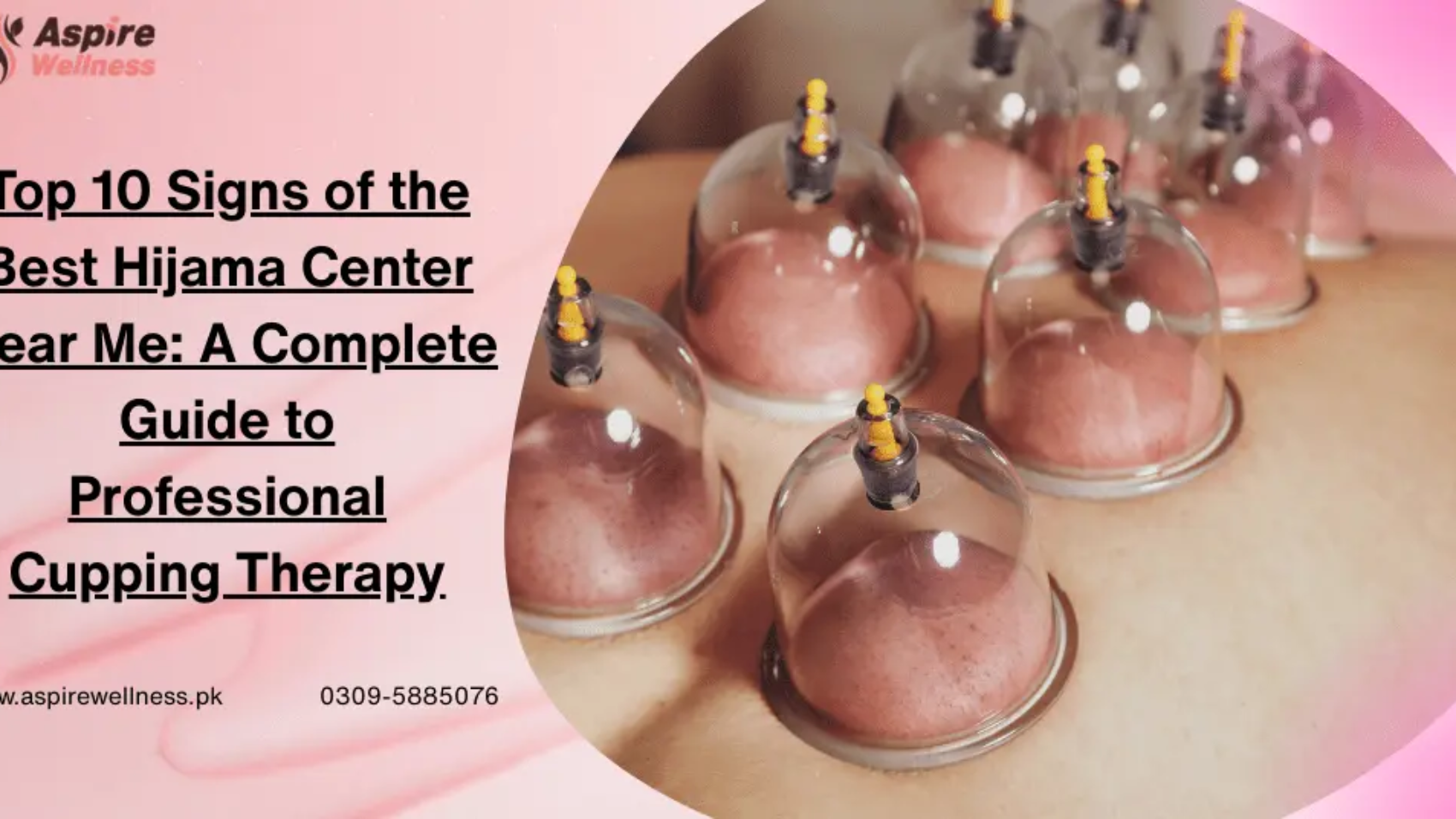
Hijama, also known as cupping therapy, is a natural healing method where suction cups are placed on the skin to draw out stagnant blood and toxins. This process helps the body heal naturally by improving blood circulation, reducing inflammation, and promoting detoxification.

Unlike painkillers or temporary treatments, Hijama works on the root cause — not just the symptoms.


Why Karachi is Embracing Hijama Therapy

In a fast-paced city like Karachi, stress, pollution, and long working hours take a toll on physical and mental health. More people — from DHA and Clifton to Gulshan and PECHS — are now turning to certified Hijama therapists to restore balance and wellness naturally.

It’s no longer just an ancient ritual — it’s modern holistic care with visible results.


Key Benefits of Hijama Therapy in Karachi

💆‍♂️ Pain Relief: Great for back pain, shoulder stiffness, joint pain, and migraines.
🩸 Detoxification: Flushes toxins and stagnant blood from your system.
Improved Circulation: Boosts oxygen flow and energy levels.
🌿 Natural Healing: Encourages the body’s self-repair process without drugs.
🧠 Stress & Anxiety Relief: Calms the mind and improves sleep quality.
💖 Hormonal Balance & Fertility: Helps with hormonal regulation and reproductive health.
Skin Glow & Rejuvenation: Enhances skin tone, reduces acne and dullness through facial Hijama.

Whether you’re an athlete, a professional, or a homemaker — Hijama therapy in Karachi offers customized benefits for every lifestyle.


2. How Hijama Therapy Works: The Science Behind the Cups

You might wonder: “How can simple suction improve my health?”
Here’s the science behind it.

When cups are placed on the skin, they create a vacuum that draws blood to the surface. This process stimulates circulation, releases toxins, and activates the body’s healing response.

There are two main techniques:

  • Dry Hijama (Cupping without incisions) – improves blood flow and relieves tension.

  • Wet Hijama (Cupping with tiny incisions) – removes impurities and detoxifies the body.

Both are completely safe when done by a certified Hijama therapist using sterile tools.


Step-by-Step Process of a Hijama Session

  1. Consultation: The therapist discusses your health concerns and goals.

  2. Preparation: Skin is cleaned and sterilized.

  3. Suction Phase: Cups are applied to stimulate circulation.

  4. Incision (for Wet Hijama): Small, painless incisions are made to release toxins.

  5. Second Suction: Removes stagnant blood and impurities.

  6. Cleaning & Aftercare: Healing oils and antiseptics are applied afterward.

Each session lasts 30–45 minutes, depending on the treatment area. Most people find it relaxing and refreshing, often feeling lighter and more energetic afterward.

At Aspire Wellness Karachi, Hijama sessions are conducted by trained male and female experts who follow international hygiene standards — ensuring safety, comfort, and results.


3. Different Types of Hijama Therapy and How to Choose the Right One

Not all Hijama sessions are the same — and choosing the right one depends on your health goals.

1. Wet Cupping (Prophetic Hijama)

The most common and effective form. Small incisions are made after suction to remove toxins.
Best for: Detox, chronic pain, hormonal imbalance, and fatigue.

2. Dry Cupping

No incisions — just suction.
Best for: Sports recovery, tight muscles, and stress relief.

3. Fire Cupping

Uses controlled heat to create suction.
Best for: Arthritis, joint stiffness, and cold-related pain.

4. Facial Hijama (Beauty Cupping)

Gentle suction for the face to improve blood flow and rejuvenate skin.
Best for: Acne, dullness, wrinkles, and pigmentation.

5. Massage Cupping

Combines cupping with massage for relaxation and lymphatic drainage.
Best for: Muscle tension and stress relief.

When selecting a Hijama therapy in Karachi, always consult a qualified practitioner who can recommend the right type based on your specific needs.


4. Best Hijama Centers and Certified Therapists in Karachi

Choosing the right Hijama clinic is just as important as the therapy itself.
A professional setup ensures sterility, comfort, and real health benefits.

Qualities of a Reliable Hijama Center

  • Licensed and hygienic environment

  • Certified and trained practitioners

  • Separate facilities for men and women

  • Disposable cups and sterilized tools

  • Positive client testimonials

Among trusted clinics, Aspire Wellness Karachi stands out as one of the best Hijama centers in DHA and Clifton. The clinic offers Prophetic Hijama, facial cupping, pain management, and detox therapy — all under one roof, supervised by qualified Hijama therapists.


5. What to Expect After a Hijama Session: Healing & Aftercare Tips

After your session, your body starts a natural detox and healing process. You might feel relaxed or slightly fatigued — both are normal.

Post-Hijama Care Tips

✅ Drink lots of water to flush toxins.
✅ Avoid caffeine and heavy meals for a day.
✅ Skip intense workouts for 24–48 hours.
✅ Apply natural healing oils like olive or black seed oil.
✅ Keep the treated area clean and dry.

Most people notice better sleep, less pain, and improved energy after just one or two sessions. For chronic issues, regular sessions every 3–4 months can bring lasting relief.


6. Why Aspire Wellness is the Best Choice for Hijama Therapy in Karachi

If you’re looking for a trusted Hijama clinic in Karachi, Aspire Wellness offers a blend of Prophetic healing and modern clinical care.

Why Choose Aspire Wellness

✔ Experienced male and female therapists
✔ Safe, clean, and relaxing environment
✔ Personalized Hijama plans
✔ Specialized treatments for detox, pain, and beauty
✔ Conveniently located in DHA Karachi

Whether you’re booking Hijama for back pain, detox therapy, or facial Hijama for glowing skin, Aspire Wellness ensures every session is professional, comfortable, and effective.


Final Thoughts

Hijama therapy in Karachi is more than just an old practice — it’s a scientifically supported wellness solution for modern health challenges.
From detox and pain relief to improved mood and skin glow, Hijama is a holistic way to heal naturally.

If you’ve been searching for “Hijama near me in Karachi” or want to try Prophetic Hijama therapy under expert supervision, visit Aspire Wellness — where tradition meets trust, and healing meets science.

Male Hijama Specialist in DHA

Hijama vs Dry Cupping – Which Therapy is Right for You?

When most people hear about cupping therapy, they assume that hijama and dry cupping are the same thing. This is a common misconception. While both therapies involve suction cups placed on the skin, their methods, benefits, and healing goals are very different.

If you’ve ever wondered, “Is hijama better than dry cupping?” or “What’s the difference between wet cupping and dry cupping?” — you’re in the right place. In this blog, we’ll explore the key differences, benefits, and uses of hijama vs dry cupping so you can decide which one is best for your health and wellness.


What is Hijama (Wet Cupping)?

Hijama, also known as wet cupping, is an ancient healing therapy that has been practiced for thousands of years. Rooted in Islamic medicine and traditional healing systems, hijama involves placing cups on specific points of the body to create suction. After a few minutes, the cups are removed, and tiny incisions are made on the skin to allow the removal of stagnant blood, toxins, and impurities.

👉 This process is believed to detoxify the body, restore balance, and promote overall healing.

Benefits of Hijama Therapy

  • Detoxification – Removes stagnant blood and toxins.

  • Pain Relief – Effective for arthritis, back pain, and migraines.

  • Stress Reduction – Helps calm the nervous system.

  • Hormonal Balance – Used for PCOS, thyroid imbalance, and fertility support.

  • Improved Circulation – Encourages healthy blood flow.

Hijama is often recommended for those dealing with chronic health issues, fatigue, or conditions that modern medicine struggles to fully address. It is not just a physical therapy but also a spiritual and holistic healing method highly valued in many cultures.


What is Dry Cupping Therapy?

Dry cupping, on the other hand, is a non-invasive form of cupping therapy where cups are placed on the skin to create suction but without any cuts or bloodletting. This makes it less intense than hijama and more widely accepted in sports recovery and physiotherapy.

The suction effect increases blood circulation to the muscles, reduces tension and stiffness, and promotes faster healing of injuries.

Benefits of Dry Cupping

  • Muscle Relaxation – Loosens tight and sore muscles.

  • Sports Recovery – Popular among athletes for faster healing.

  • Pain Relief – Reduces stiffness and joint pain.

  • Improved Blood Flow – Boosts oxygen and nutrient delivery.

  • Stress Relief – Provides relaxation and calming effects.

Dry cupping is painless, leaves only temporary red marks, and can be done more frequently compared to hijama therapy.


Hijama vs Dry Cupping – 7 Key Differences You Must Know

While both therapies use suction cups, their techniques, benefits, and purposes differ greatly. Here’s a breakdown of the main differences between hijama and dry cupping:

1. Procedure & Technique

  • Hijama (Wet Cupping): Involves suction + small incisions to remove stagnant blood.

  • Dry Cupping: Involves suction only — no cuts, no bleeding.

👉 Hijama = Detox + Cleansing.
👉 Dry Cupping = Relaxation + Circulation.


2. Purpose & Healing Philosophy

  • Hijama: Holistic therapy aimed at detoxification, purification, and spiritual healing.

  • Dry Cupping: Physical therapy aimed at muscle recovery and circulation.


3. Pain Level & Sensation

  • Hijama: Slight discomfort due to incisions, but generally well-tolerated.

  • Dry Cupping: Completely painless, just a suction sensation.


4. After-Effects & Recovery

  • Hijama: Leaves small cuts and red marks that heal in a few days.

  • Dry Cupping: Leaves cup marks only, with no cuts or bleeding.


5. Frequency of Treatment

  • Hijama Therapy: Usually once a month or as recommended by a practitioner.

  • Dry Cupping Therapy: Can be done weekly or even more often if needed.


6. Conditions Treated

  • Hijama Helps With: Migraines, arthritis, stress, fatigue, hormonal imbalance, detoxification.

  • Dry Cupping Helps With: Muscle soreness, stiffness, sports injuries, poor circulation.


7. Cultural & Medical Acceptance

  • Hijama: Deeply rooted in Islamic and traditional medicine.

  • Dry Cupping: Widely practiced in sports medicine, physiotherapy, and wellness clinics worldwide.


📊 Quick Comparison Table: Hijama vs Dry Cupping

Factor Hijama (Wet Cupping) Dry Cupping
Procedure Suction + incisions + bloodletting Suction only, no cuts
Purpose Detoxification & holistic healing Muscle relaxation & sports recovery
Pain Level Mild discomfort Painless
After-Effects Cuts + marks (heal in days) Cup marks only
Frequency Monthly or as advised Weekly or as needed
Best For Chronic pain, detox, stress, imbalance Athletes, muscle stiffness, circulation
Origin Traditional & Islamic medicine Sports & wellness therapy

Which One Should You Choose: Hijama or Dry Cupping?

Now that you know the differences, the question is: Which is better, hijama or dry cupping?

  • If you’re looking for detoxification, hormonal balance, and chronic pain relief, then Hijama therapy (wet cupping) may be your best choice.

  • If your focus is muscle recovery, sports performance, or stress relief, then Dry Cupping therapy might be more suitable.

👉 The right choice depends on your health goals, comfort level, and professional guidance. Many wellness clinics (like Aspire Wellness in DHA) offer both options and recommend a personalized plan based on your needs.


Final Thoughts

Hijama and dry cupping are powerful healing therapies, but they serve different purposes. Hijama focuses on deep detoxification and holistic healing, while dry cupping is excellent for muscle relaxation and recovery.

Male Hijama Specialist in DHA

Top Hijama Therapy Benefits for Health & Wellness

Introduction

Many people still believe that hijama therapy, also known as cupping, is nothing more than an outdated traditional practice with no modern health value. But this couldn’t be further from the truth. In reality, the hijama therapy benefits are well-recognized not only in traditional and prophetic medicine but also in modern wellness and sports recovery programs.

From pain relief and detoxification to skin health, fertility, and stress management, hijama is gaining global attention as a natural, side-effect-free alternative to conventional treatments. If you’ve ever wondered whether hijama is right for you, this guide will take you through everything — from what hijama is to its most powerful benefits for overall health and wellness.


What is Hijama Therapy? (Cupping Explained)

Hijama, derived from the Arabic word hajm meaning “sucking,” is a form of wet cupping therapy where suction cups are applied to specific points on the body. Small incisions are then made to remove stagnant or “toxic” blood, promoting healing and balance.

There are two main types of cupping:

  • Dry cupping – suction without blood removal.

  • Wet cupping (Hijama therapy) – suction combined with small incisions to extract toxins.

Traditionally, hijama has been practiced for centuries across different cultures and is also deeply rooted in prophetic medicine, where it is praised for its health and spiritual benefits. Today, it’s widely used not only by those following religious traditions but also by athletes, wellness enthusiasts, and individuals seeking relief from chronic pain or stress.

Unlike conventional medicine that often focuses on symptom management, hijama aims to target the root cause — by improving blood circulation, detoxification, and overall body balance. This is why the benefits of hijama therapy are often compared to acupuncture, Ayurveda, and other holistic healing practices.


Top Hijama Therapy Benefits for Health & Wellness

So, what makes hijama so effective? Let’s look at the most powerful hijama therapy benefits that are transforming lives around the world.


1. Hijama Therapy Benefits for Back Pain Relief

Back pain is one of the most common reasons people try hijama. By improving blood flow and releasing muscle tension, hijama provides long-lasting relief from chronic back pain. Many athletes also rely on hijama cupping benefits for muscle recovery after intense workouts, as it reduces soreness and speeds up healing naturally.


2. Hijama Therapy Benefits for the Immune System

A strong immune system is the foundation of good health. Hijama helps by detoxifying the blood and stimulating the lymphatic system, which strengthens the body’s natural defense mechanisms. People who regularly undergo hijama often experience fewer colds, faster recovery from illnesses, and more energy overall.


3. Hijama Therapy Benefits for Migraine and Headache Relief

Migraines and headaches can be debilitating. Hijama therapy targets specific hijama points for migraine relief, easing tension, improving blood circulation, and restoring oxygen flow to the brain. Unlike painkillers, hijama addresses the root cause of headaches, offering lasting comfort without side effects.


4. Hijama Therapy Benefits for Stress and Anxiety Reduction

In today’s fast-paced world, stress and anxiety are becoming increasingly common. Hijama helps calm the nervous system, lowers cortisol levels (the stress hormone), and induces deep relaxation. Patients often describe feeling lighter, calmer, and mentally clearer after a session. This makes hijama therapy benefits for stress and anxiety especially valuable in modern life.


5. Hijama Therapy Benefits for Skin and Acne Problems

Healthy skin starts from within. By improving blood flow and removing toxins, hijama enhances the delivery of nutrients to the skin. This helps reduce acne, eczema, and skin inflammation. The benefits of hijama therapy for skin and acne also include improved complexion, natural glow, and healthier skin texture without harsh chemicals.


6. Hijama Therapy Benefits for Women’s Health and Fertility

Hijama has long been used to support women’s reproductive health. By improving blood circulation in the pelvic area and balancing hormones, it helps regulate menstrual cycles, ease PCOS symptoms, and enhance fertility naturally. Many women also find it beneficial for reducing fatigue and improving emotional well-being.


7. Hijama Therapy Benefits for Weight Loss and Detox

If you’re struggling with stubborn weight or digestive issues, hijama can help. It boosts metabolism, improves digestion, and promotes natural detoxification. The hijama therapy benefits for weight loss and detox make it a supportive treatment alongside a healthy diet and lifestyle.


8. Hijama Therapy Benefits for Blood Circulation and Heart Health

Poor circulation is often linked to fatigue, cold hands and feet, and even cardiovascular problems. Hijama works by removing stagnant blood, improving circulation, and supporting heart health. This makes the hijama therapy benefits for blood circulation and heart health especially important for long-term wellness.


9. Hijama Therapy Benefits for Joint Pain and Arthritis Relief

Joint stiffness and arthritis pain can make daily activities difficult. Hijama reduces inflammation in the joints, eases stiffness, and promotes flexibility. Whether it’s knee pain, shoulder pain, or arthritis, hijama provides a natural, drug-free alternative for joint care.


Religious & Prophetic Perspective on Hijama Benefits

In Islamic tradition, hijama holds a special place in prophetic medicine. The Prophet Muhammad (PBUH) recommended hijama as a highly beneficial practice for health, making it not just a medical treatment but also a Sunnah (prophetic tradition).

While its spiritual significance is strong, it’s important to note that hijama’s benefits go beyond religious beliefs — with growing scientific evidence supporting its positive effects on human health.


Modern Science and Hijama Therapy

Modern studies have started to back what ancient wisdom has known for centuries. Research suggests that hijama improves blood circulation, reduces inflammation, and enhances the body’s detoxification process. Many sports physicians even recommend cupping therapy for athletes as part of recovery and performance enhancement.

Comparisons with acupuncture show that hijama also stimulates specific points on the body, triggering natural healing mechanisms. This blend of tradition and science makes hijama a holistic treatment that bridges old and new medicine.


Potential Side Effects and Safety of Hijama Therapy

Like any treatment, hijama should be performed by trained professionals. While generally safe, minor side effects like mild bruising, dizziness, or slight discomfort can occur.

People with conditions such as hemophilia, anemia, or those who are pregnant should consult a healthcare provider before trying hijama. By choosing a qualified practitioner, you can minimize risks and enjoy the full benefits of hijama therapy safely.


How to Get the Best Results from Hijama Therapy

  • Choose a certified practitioner – Safety and hygiene are essential.

  • Follow after-care instructions – Rest, hydration, and avoiding heavy meals enhance results.

  • Stay consistent – Depending on your health needs, regular sessions may offer the best benefits.

Remember, hijama works best when combined with a healthy lifestyle, balanced diet, and stress management practices.


FAQs About Hijama Therapy Benefits

1. What are the top benefits of hijama therapy?
Pain relief, detoxification, improved immunity, skin health, stress reduction, and better circulation are among the top benefits.

2. Does hijama really work for weight loss and detox?
Yes, hijama supports natural detoxification and boosts metabolism, making weight loss more manageable.

3. Are there hijama cupping benefits for migraines?
Absolutely. Hijama therapy helps relieve headaches and migraines by improving circulation and reducing tension.

4. How often should I do hijama therapy?
Frequency depends on your health condition, but many people benefit from a session every 3–6 months.

5. Is hijama safe for women’s health?
Yes, when performed correctly, hijama can help with hormonal balance, menstrual health, and fertility support.


Conclusion

Hijama is far more than an ancient remedy. From pain relief and detox to stress reduction, skin improvement, and women’s health support, the hijama therapy benefits are diverse and powerful. Backed by tradition, science, and growing popularity worldwide, hijama offers a safe, natural, and holistic way to restore balance in both body and mind.