
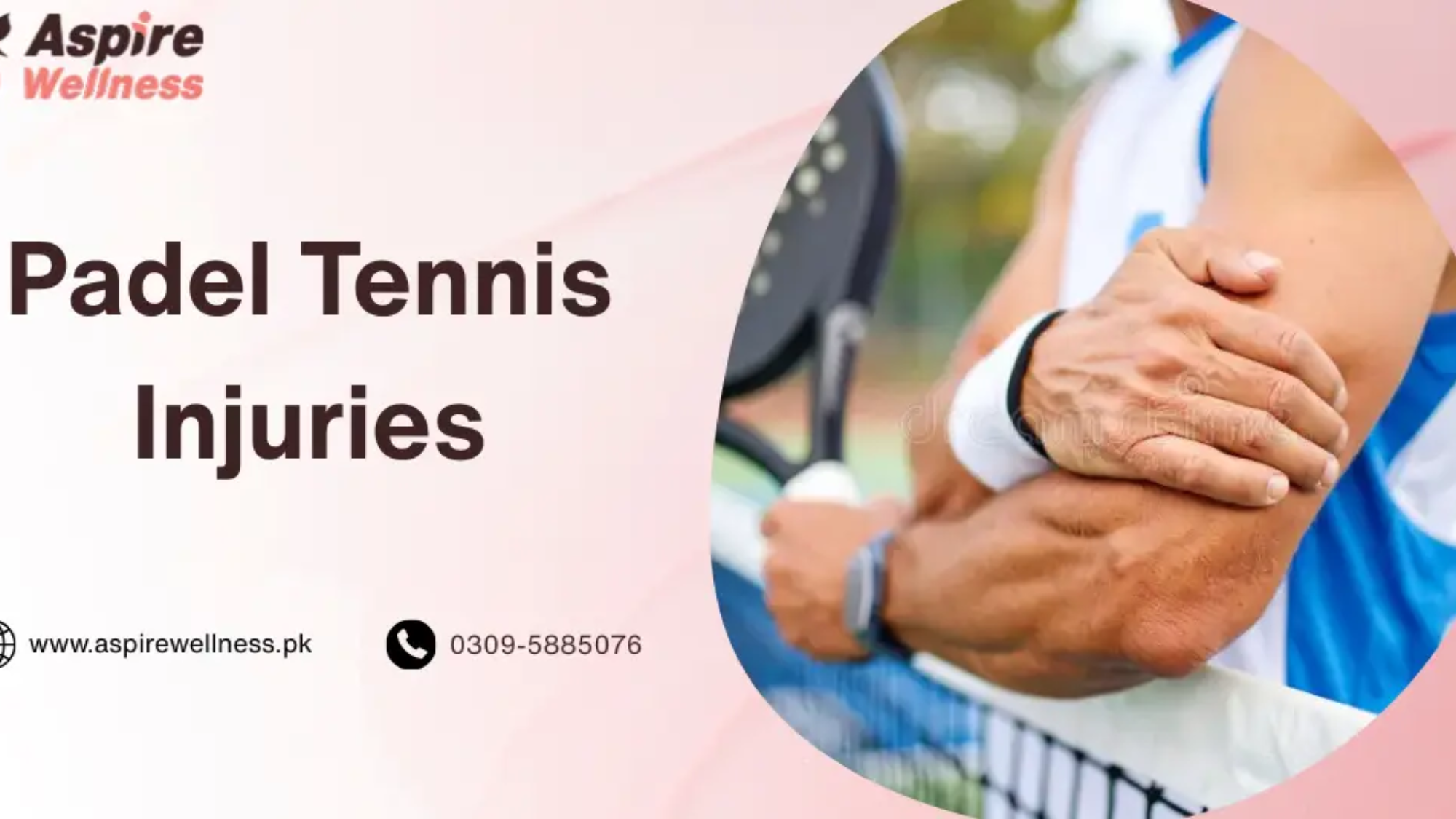
Introduction: The Truth Most People Get Wrong About Sports Injuries
Most people still believe that sports injuries only happen to professional athletes or those doing intense workouts. But here’s the truth: sports injuries can happen to anyone—even if you’re only casually active, working out at the gym, running on weekends, or simply playing a friendly game of football.
In fact, the rise of home workouts, weekend sports, and high-intensity training has made everyday people more prone to muscle strains, ligament sprains, tendon injuries, and overuse injuries than ever before.
This guide breaks down everything you need to know about sports injuries—types, causes, symptoms, prevention, and recovery tips—so you can heal better and return stronger.
Section 1: What Is a Sports Injury? (Understanding the Basics)
Before diving deep, let’s start with the basics. A sports injury refers to any injury that occurs while exercising, training, or playing sports. These can range from minor sprains and muscle strains to more serious problems like ACL tears, rotator cuff injuries, and stress fractures.
Common Types of Sports Injuries
Here are the most frequently seen injuries across all sports and fitness activities:
-
Muscle Strain (hamstring strain, calf strain, quadriceps strain)
-
Ligament Sprain (ankle sprain, wrist sprain)
-
Tendon Injuries (Achilles tendinitis, tennis elbow)
-
Knee Injuries (ACL tear, meniscus tear, runner’s knee)
-
Shoulder Injuries (rotator cuff tear, dislocated shoulder)
-
Stress Fractures
-
Shin Splints
-
Back Injuries (lumbar strain, slipped disc)
These injuries commonly occur due to overuse, poor technique, lack of warm-up, or sudden high-impact movements.
Section 2: What Causes Sports Injuries? (Hidden Triggers Most People Ignore)
Contrary to popular belief, sports injuries don’t always come from accidents. Many injuries develop slowly over time due to improper biomechanics or muscle imbalances. Understanding the root cause helps you prevent future problems.
Major Causes of Sports Injuries
1. Overuse & Repetitive Stress
This is the number one cause of sports injuries today. Excessive training without rest leads to tendonitis, stress fractures, and joint pain.
2. Poor Warm-up or No Warm-up
Cold muscles tear more easily. Skipping warm-up increases the risk of muscle strain and ligament sprain.
3. Weak Core & Muscle Imbalance
A weak core leads to knee injuries, ankle instability, and lower back pain.
4. Incorrect Technique
From lifting weights with bad form to running incorrectly, technique flaws can create chronic injuries.
5. Sudden Increase in Training Intensity
Many beginners make the mistake of pushing too hard, too fast—leading to shin splints, hamstring injuries, or shoulder strain.
Section 3: Top 10 Most Common Sports Injuries (With Symptoms & Treatment)
1. Ankle Sprain
Symptoms: swelling, bruising, pain while walking.
Treatment: RICE method, ankle strengthening.
2. Muscle Strain (Pulled Muscle)
Symptoms: sharp pain, tightness.
Treatment: heat therapy, stretching, physiotherapy.
3. ACL Tear
Symptoms: popping sound, knee instability.
Treatment: rehabilitation, strengthening, surgery in severe cases.
4. Meniscus Tear
Symptoms: knee locking, pain with twisting.
Treatment: physiotherapy or arthroscopic surgery.
5. Tennis Elbow
Symptoms: outer elbow pain.
Treatment: rest, wrist strengthening, taping.
6. Rotator Cuff Injury
Symptoms: shoulder pain, weakness, limited motion.
Treatment: targeted shoulder rehab.
7. Shin Splints
Symptoms: pain on the front of the lower leg.
Treatment: rest, calf strengthening, proper footwear.
8. Achilles Tendinitis
Symptoms: heel pain, tight calf.
Treatment: eccentric loading exercises.
9. Stress Fracture
Symptoms: pinpoint bone pain.
Treatment: immobilization and rest.
10. Lower Back Injuries
Symptoms: sharp or dull pain due to poor lifting technique.
Treatment: core strengthening, manual therapy.
Section 4: Diagnosis of Sports Injuries (How Experts Diagnose It Correctly)
Proper diagnosis prevents complications. Your physiotherapist or sports medicine specialist may use:
-
Detailed physical examination
-
ROM (Range of Motion) tests
-
Strength & functional assessments
-
X-rays for fractures
-
MRI for ligament or tendon tears
-
Ultrasound for soft tissue injury
A correct diagnosis ensures faster and safer healing.
Section 5: Treatment Options for Sports Injuries (From Basic to Advanced)
1. RICE Method
Rest, Ice, Compression, Elevation—ideal for acute injuries.
2. Physiotherapy & Rehabilitation
Strengthening, manual therapy, stretching, joint mobilization, taping, dry needling.
3. Medications
Anti-inflammatory medicines for pain and swelling.
4. Advanced Treatments
-
Shockwave Therapy
-
Laser Therapy
-
PRP Therapy
-
Ultrasound Therapy
Section 6: Prevention Tips (How to Avoid Sports Injuries Completely)
1. Warm Up Properly
Boosts blood flow, reduces muscle stiffness.
2. Use Correct Technique
Learn proper form from a coach or physiotherapist.
3. Strength Training & Core Work
Strong muscles protect joints.
4. Gradual Progression
Increase training intensity 10% per week only.
5. Proper Footwear & Gear
Reduces shock and stabilizes movement.
6. Listen to Your Body
Pain is a warning sign—don’t ignore it.
Section 7: When to See a Physiotherapist or Sports Medicine Specialist
Seek immediate help if you experience:
-
inability to put weight on a limb
-
severe swelling
-
sharp pain that doesn’t improve
-
numbness or tingling
-
joint instability
-
pain lasting more than 48 hours
A physiotherapist provides:
-
accurate diagnosis
-
personalized rehab plan
-
sports-specific recovery training
-
long-term injury prevention
Section 8: Final Thoughts
Sports injuries are common—not just for athletes but for anyone who stays active. The good news? Most sports injuries are treatable, and with the right care, you can recover fully and return stronger than before.
Whether you’re dealing with a minor strain or a major ligament injury, the key is simple: don’t ignore pain, seek expert care, and follow a structured rehabilitation plan.
- Clinic Name: Aspire Wellness
- Address: DHA Phase 2 Ext Karachi
- Phone Number: 03095885076
- Website: https://aspirewellness.pk
- Google Maps URL: https://maps.app.goo.gl/QF5LJZUkJTRgnR2TA
Leave Your Comment