
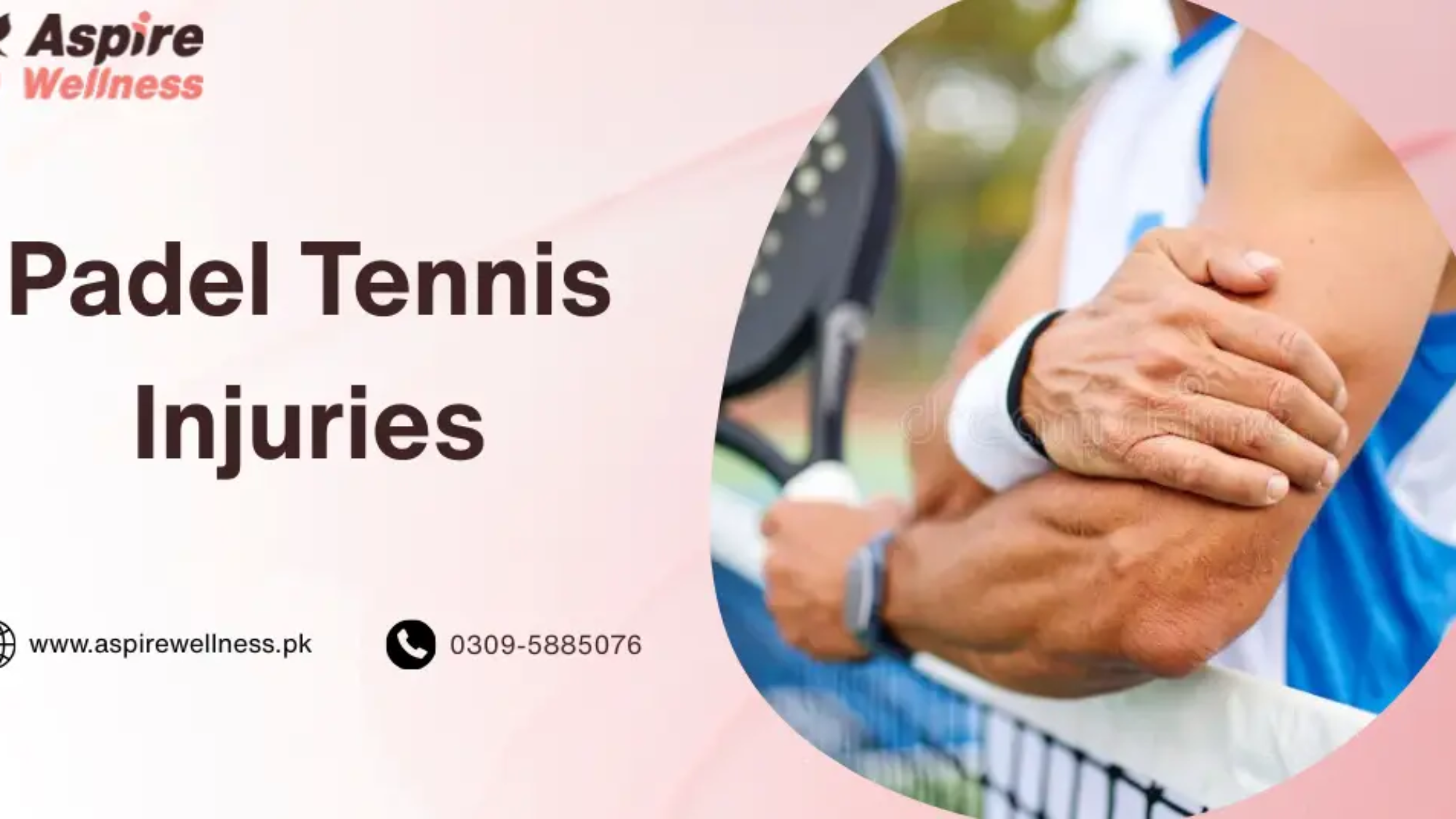
Many paddle tennis enthusiasts in Clifton believe that minor aches or soreness after matches are just part of the game and don’t require professional care. This is a common misconception. While occasional fatigue is normal, persistent pain in the shoulder, elbow, wrist, or lower back is often a sign of underlying injuries or muscular imbalances. Ignoring these issues can lead to chronic conditions that affect both performance on the court and daily activities.
Visiting a specialized rehab center for paddle players in Clifton ensures injuries are addressed correctly, recovery is accelerated, and injury prevention strategies are implemented to keep you playing pain-free for years to come.
Why Paddle Players in Clifton Need a Specialized Rehab Center
Paddle tennis is a fast-paced, physically demanding sport. It involves explosive sprints, lateral movements, rapid direction changes, powerful smashes, and repetitive overhead shots. These movements place significant strain on key muscle groups and joints, particularly the shoulders, elbows, wrists, and lower back. Even the most experienced players are susceptible to injuries if they do not address these sport-specific demands.
Many players believe that general physiotherapy clinics are sufficient, but most traditional clinics don’t account for the unique biomechanics of paddle tennis. A specialized rehab center in Clifton provides expert care tailored specifically to paddle players, combining injury diagnosis, recovery programs, performance enhancement, and preventive care.
Physical Demands That Cause Injuries
-
Repetitive Overhead Shots: Continuous serves and smashes strain the shoulder and rotator cuff muscles.
-
Backhand & Forehand Strokes: Can lead to tennis elbow, wrist overuse injuries, or ligament strain.
-
Rapid Lateral Movements: Stress the lower back and core, potentially causing stiffness or acute pain.
-
Poor Technique or Insufficient Warm-Up: Increases risk of both acute and chronic injuries.
Common Misconceptions About Pain
A widespread belief is that minor aches are normal and will resolve naturally, but recurring or persistent pain signals that the body is under strain. Ignoring these symptoms can lead to:
-
Shoulder rotator cuff tears or tendonitis
-
Tennis elbow or wrist injuries
-
Core and lower back pain
-
Reduced range of motion and impaired performance
A specialized rehab center for paddle players in Clifton provides early intervention, helping to prevent minor aches from escalating into chronic injuries.
Common Injuries Experienced by Paddle Players
Even amateur and professional players in Clifton often face similar injuries due to the high-intensity nature of paddle tennis. Understanding these injuries is essential for effective prevention and treatment.
Shoulder Injuries
-
Rotator cuff strains, tendonitis, and shoulder impingement are common.
-
Usually caused by repetitive overhead serves and smashes.
Elbow Injuries
-
Tennis elbow, ligament strain, and repetitive stress injuries are frequent.
-
Backhand and powerful forehand shots are common causes.
Wrist Injuries
-
Sprains and overuse injuries from continuous racket grip.
Lower Back & Core Injuries
-
Twisting, sudden directional changes, and fatigue can cause pain or stiffness.
How a Specialized Rehab Center Helps Paddle Players in Clifton
Many paddle tennis players believe that physiotherapy is only necessary after an injury occurs, but a specialized rehab center in Clifton does much more. These centers provide targeted care, recovery acceleration, injury prevention, and performance enhancement specifically for paddle tennis players.
1. Comprehensive Assessment & Diagnosis
A top rehab center begins with a detailed evaluation of your shoulders, elbows, wrists, and lower back, including:
-
Identifying muscular imbalances
-
Detecting overuse injuries
-
Analyzing stroke mechanics and joint mobility
-
Assessing core stability and movement efficiency
This assessment helps pinpoint problem areas before they become chronic injuries, ensuring players get personalized and effective treatment.
2. Personalized Recovery Plans
No two players are the same. Rehab centers provide customized recovery plans based on the assessment, including:
-
Shoulder strengthening exercises for rotator cuff and stabilizing muscles
-
Elbow rehabilitation for tennis elbow or tendonitis
-
Wrist stability drills to prevent sprains and overuse injuries
-
Core and lower back strengthening exercises for better posture and balance on the court
These programs ensure faster healing, safe return to play, and long-term injury prevention.
3. Injury Prevention & Performance Enhancement
Preventive care is one of the most valuable services a specialized rehab center offers. This includes:
-
Prehab exercises targeting shoulder, elbow, and wrist
-
Core strengthening and posture correction
-
Mobility drills, warm-up routines, and flexibility exercises
These strategies not only reduce the risk of future injuries but also enhance performance, allowing players to move faster, hit stronger, and play longer on the court.
4. Home Physiotherapy & Continuous Monitoring
For players unable to attend the clinic frequently, home physiotherapy programs ensure consistency in rehabilitation. Rehab centers provide:
-
Guided home exercises for shoulders, elbows, wrists, and back
-
Stretching routines and mobility drills to maintain flexibility
-
Remote progress tracking and program adjustments
5. Technique Correction & Long-Term Care
A specialized rehab center also focuses on stroke mechanics, movement patterns, and court techniques. Proper technique reduces repetitive strain and helps maintain:
-
Healthy joints and muscles
-
Long-term playing performance
-
Prevention of recurring injuries
Signs You Should Visit a Rehab Center for Paddle Players in Clifton
-
Persistent pain in shoulder, elbow, wrist, or lower back
-
Weak strokes or reduced range of motion
-
Difficulty performing overhead shots or lateral movements
How to Choose the Right Rehab Center in Clifton
Experience with Racket Sports Injuries
-
Knowledge of paddle tennis biomechanics
-
Proven track record of treating paddle players
Treatment Options & Accessibility
-
In-clinic vs. home physiotherapy
-
Tele-rehab support
Client Reviews & Results
-
Testimonials and success stories from local paddle tennis players
Recommended Exercises & Rehab Tips for Paddle Players
-
Shoulder rotator cuff strengthening
-
Elbow tendonitis exercises
-
Wrist stability drills
-
Core and lower back strengthening
Frequently Asked Questions (FAQs)
Q: How often should I visit a rehab center if I play paddle tennis in Clifton?
A: Every 4–6 weeks for preventive assessment, or immediately after an injury.
Q: Can rehab exercises prevent injuries before they happen?
A: Yes. Specialized rehab centers design prehab routines for shoulders, elbows, wrists, and core.
Q: Which areas are most prone to injuries in paddle tennis?
A: Shoulder, elbow, wrist, and lower back are the most commonly affected.
Q: Is home physiotherapy effective for paddle players?
A: Absolutely, if exercises are tailored and monitored by a skilled physiotherapist.
Final Expert Advice for Paddle Players in Clifton
-
Early intervention prevents long-term injuries
-
Combine technique correction, strength training, and rehab exercises
-
Choose a specialized rehab center for optimal recovery and peak performance
- Clinic Name: Aspire Wellness
- Address: DHA Phase 2 Ext Karachi
- Phone Number: 03095885076
- Website: https://aspirewellness.pk
- Google Maps URL: https://maps.app.goo.gl/QF5LJZUkJTRgnR2TA
Leave Your Comment