
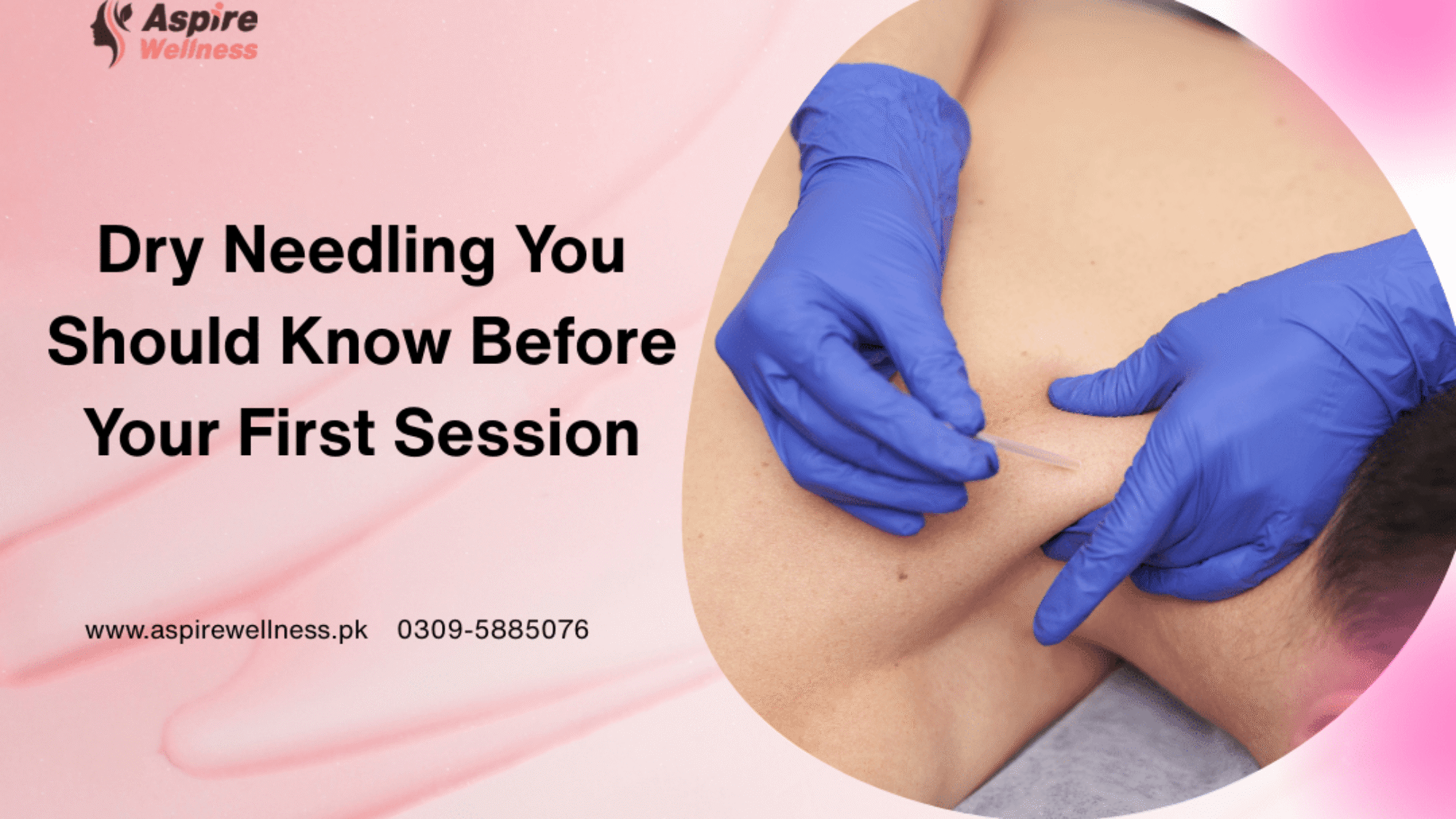
Most people still believe that Dry Needling is just a type of acupuncture, but that’s a common misconception. While both use thin needles, dry needling targets muscular trigger points, whereas acupuncture focuses on energy meridians. If you thought dry needling was just acupuncture done by a physiotherapist, it’s time to rethink.
It has emerged as one of the most effective physiotherapy treatments for muscle pain, stiffness, sports injuries, trigger points, and chronic tension. People searching for dry needling therapy, dry needle treatment, or dry needle muscle release are looking for fast, science-backed relief—and this treatment delivers.
Whether it’s back pain, neck stiffness, sciatica, or shoulder tightness, it is a proven, evidence-based therapy that helps restore movement, reduce pain, and improve quality of life.
1. What Is Dry Needling? (Beginner-Friendly Explanation)
At its core, it is a physiotherapy technique where a trained practitioner inserts a thin, sterile needle into a myofascial trigger point—a tight, painful band of muscle fibers that restricts movement.
The term “dry” comes from the fact that no medication is injected. The needle itself stimulates healing, relaxes the muscle, increases blood flow, and reduces pain almost immediately.
Dry Needling vs Acupuncture
-
Dry Needling: Targets muscular trigger points to relieve tension, improve mobility, and reduce pain.
-
Acupuncture: Works on energy pathways (meridians) for holistic balance.
it is also called:
-
Intramuscular stimulation therapy
-
Deep tissue dry needling
-
Dry needling physiotherapy treatment
Why Physiotherapists Use Dry Needling
Physiotherapists use dry needling to reach deep layers of muscle that manual therapy can’t. It’s effective for:
-
Chronic muscle tightness and stiffness
-
Trigger point pain
-
Neck and shoulder pain
-
Sciatica or lower back pain
-
Post-workout muscle soreness
-
Sports injury rehabilitation
-
Limited mobility due to tight muscles
it targets the root cause of pain, providing long-term relief rather than temporary comfort.
2. How Dry Needling Works: The Science Behind the Technique
it isn’t magic—it’s science. When the needle enters a trigger point, it stimulates a natural healing response:
-
Muscle Twitch Response – The muscle contracts slightly, releasing tension in the knot.
-
Improved Blood Flow – Increases circulation, bringing oxygen and nutrients to the area.
-
Neurological Reset – Reduces confusing pain signals sent to the brain.
-
Tissue Repair & Healing – The micro-trauma stimulates repair, reducing inflammation and tightness.
This technique is highly effective for muscle knots, chronic pain, stiffness, and restricted mobility, making it a preferred method in modern physiotherapy.
3. What to Expect During a Dry Needling Session
Understanding the process can ease anxiety. Here’s what a typical session looks like:
Step 1: Assessment
The physiotherapist evaluates posture, range of motion, pain areas, and medical history to ensure safe, effective treatment.
Step 2: Preparation
The target area is cleaned for hygiene. Your therapist explains the procedure and positions you comfortably.
Step 3: Needle Insertion
A thin, sterile needle is inserted into the trigger point. You may feel a small pinch or tingling. Sometimes, the muscle twitches—this is normal and signals the muscle is releasing.
Step 4: Post-Needling Care
Gentle stretching or manual therapy may follow. Mild soreness is common and usually resolves in 24–48 hours.
Step 5: Recovery & Follow-Up
Some patients feel immediate relief; others experience gradual improvement over days. Your therapist may suggest hydration, stretching, or light exercises to maximize benefits.
4. Benefits of Dry Needling
it offers multiple benefits that make it a preferred therapy for physiotherapists and patients alike:
-
Muscle Pain Relief – Relieves tension in targeted muscles.
-
Trigger Point Release – Reduces knots and improves flexibility.
-
Reduced Stiffness – Restores movement and eases chronic tightness.
-
Faster Recovery for Athletes – Speeds up rehabilitation after sports injuries.
-
Improved Circulation – Boosts nutrient delivery to muscles.
-
Long-Term Relief – Targets root causes, not just symptoms.
-
Enhanced Range of Motion – Ideal for mobility issues.
-
Chronic Pain Management – Effective for back, neck, shoulder, and knee pain.
-
Posture Correction – Reduces muscle imbalances and tension.
-
Non-Medication Therapy – No drugs, no injections.
-
Complementary to Other Physiotherapy Techniques – Can be combined with manual therapy, stretching, or cupping.
5. Dry Needling for Different Conditions
Neck & Shoulder Pain
It relieves chronic tension in the neck and shoulders, improving posture and reducing discomfort.
Back & Hip Tightness
Targets deep muscles that massage can’t reach, providing long-lasting relief from lower back pain.
Sciatica
Reduces nerve irritation and muscle tightness that contributes to sciatica pain. (does it help in sciatica pain)
Tension Headaches & Migraines
Releases tight muscles around the neck and scalp to reduce headache frequency and intensity.
Sports Injury Recovery
Accelerates healing of tight muscles, reduces soreness, and restores mobility. (its for sports injury recovery)
Muscle Knots & Trigger Points
Effectively releases stubborn knots and improves range of motion. (how effective is dry needling for muscle knots)
6. Safety & Side Effects
it is generally safe when performed by a certified physiotherapist. Minor side effects may include:
-
Temporary soreness
-
Mild bruising
-
Slight fatigue
Serious complications are extremely rare. It’s important to consult trained professionals to ensure safety.
7. How Many Sessions Are Needed?
The number of sessions depends on the condition’s severity and your body’s response:
-
Acute muscle pain: 1–3 sessions
-
Chronic pain or sports injuries: 4–8 sessions
-
Trigger point management: 2–6 sessions
Your physiotherapist will design a personalized treatment plan ( treatment plan) based on your needs.
8. Dry Needling vs Other Therapies
-
Dry Needling vs Massage: Targets deeper muscle fibers, faster results.
-
Dry Needling vs Cupping: Directly deactivates trigger points instead of relying on suction.
-
Dry Needling vs Physiotherapy Alone: Can be combined for better outcomes and faster recovery.
9. Who Should Perform Dry Needling?
Only trained and certified physiotherapists should perform . Expertise matters for safety and effectiveness. Search for a qualified physiotherapist for therapy to ensure proper technique.
10. Cost of Dry Needling
Costs vary depending on location and session length:
-
Average session: $30–$80
-
Chronic conditions: Package deals may reduce cost per session
-
Value comes from long-term relief and reduced need for medication
(dry needling cost, affordable dry needle therapy)
11. Dry Needling Aftercare
-
Stay hydrated
-
Gentle stretching
-
Avoid intense workouts for 24 hours
-
Apply heat or ice if needed
-
Monitor muscle soreness
(dry needling recovery time)
12. FAQs About Dry Needling
Q1: Does dry needling hurt?
A: Some discomfort is normal, but most patients tolerate it well.
Q2: Is dry needling safe?
A: Yes, when performed by trained physiotherapists.
Q3: How long does a session take?
A: Typically 15–30 minutes, depending on the number of trigger points.
Q4: Can it help with migraines or sciatica?
A: Yes, it targets muscle tension contributing to these conditions.
Q5: How many sessions will I need?
A: Varies based on pain severity and condition, usually 1–8 sessions.
13. Conclusion: Should You Try Dry Needling?
Dry Needling is a highly effective, evidence-based treatment for muscle pain, stiffness, and sports injuries. Whether you’re dealing with chronic tension, trigger points, or post-injury rehabilitation, this therapy provides fast, long-lasting results without medication.
Consult a qualified physiotherapist to see how dry needling can improve your mobility, reduce pain, and enhance your overall wellness.
Your muscles deserve relief—take the first step today.
- Clinic Name: Aspire Wellness
- Address: DHA Phase 2 Ext Karachi
- Phone Number: 03095885076
- Website: https://aspirewellness.pk
- Google Maps URL: https://maps.app.goo.gl/QF5LJZUkJTRgnR2TA
Leave Your Comment