
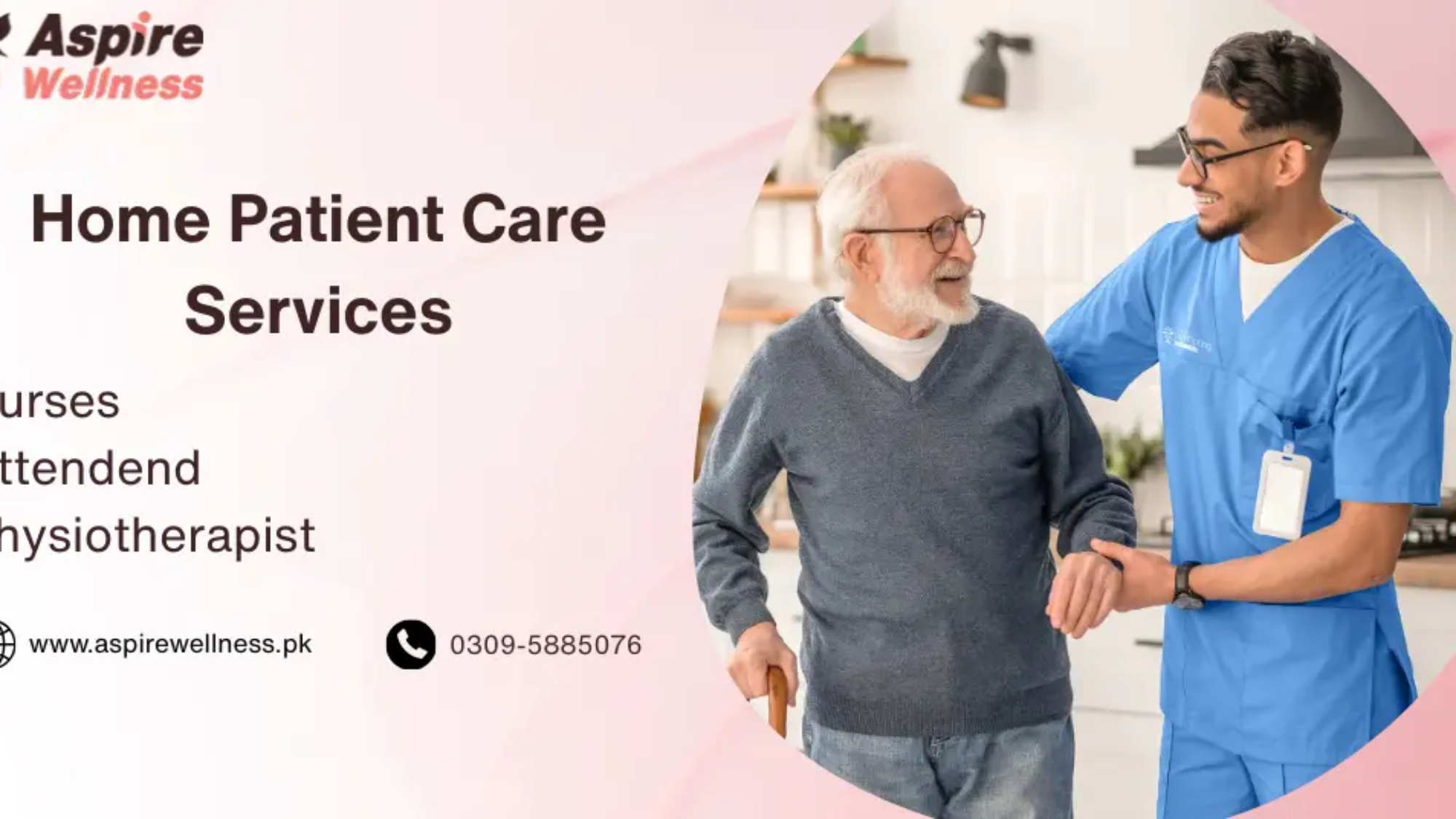
Many people assume that skilled nursing care at home is only for bedridden patients or those at the end of life — but that’s far from true. Today, skilled nursing at home has become one of the safest, most effective, and most convenient ways to receive advanced medical care without stepping into a hospital. From post-surgical recovery to chronic disease management, and from IV therapies to wound care, at-home nursing services offer hospital-level support right in the comfort of your home.
If you’re searching for an easy, stress-free way to manage medical needs for yourself or a loved one, this guide will walk you through everything you need to know.
1. What Is Skilled Nursing Care at Home?
Skilled nursing care at home refers to advanced medical care provided by licensed nurses, including RNs (Registered Nurses) and LPNs (Licensed Practical Nurses). Unlike basic caregiving, skilled nursing focuses on clinical medical tasks such as:
-
Wound dressing
-
Medication administration
-
IV therapy
-
Post-surgical monitoring
-
Chronic disease management
-
Vital sign tracking
-
Catheter and tube care
-
Pain management
These services are typically ordered by a doctor and carried out by trained nursing professionals who have the expertise to manage complex health conditions safely at home.
Why Families Prefer Skilled Nursing at Home
-
Provides hospital-level medical care at home
-
Reduces the risk of infections from hospital exposure
-
Saves time, money, and unnecessary travel
-
Offers personalized one-on-one attention
-
Helps seniors and patients recover faster in familiar surroundings
-
Ensures continuous monitoring and safety
Whether dealing with post-operative recovery, age-related health issues, or chronic illnesses, skilled home nursing care ensures that patients receive the right care at the right time — without leaving home.
2. Why Skilled Nursing Care at Home Matters (Benefits You Should Know)
Most people believe home nursing is just about helping with daily activities. In reality, skilled nursing care at home brings clinical expertise directly to the patient, preventing complications and improving long-term health outcomes.
✔ 1. Helps Prevent Hospital Readmissions
Skilled nurses closely monitor:
-
Vital signs
-
Infection symptoms
-
Medication reactions
-
Wound healing progress
Early detection of problems can prevent emergency situations and avoid repeat hospital visits.
✔ 2. Supports Faster, Safer Recovery
Whether you’re recovering from surgery, injury, stroke, or illness — healing happens faster at home. With fewer disruptions, personalized care plans, and a calm environment, patients experience:
-
Better sleep
-
Reduced stress
-
Improved immunity
-
Enhanced comfort
✔ 3. Professional Medical Care Without Travel
For many patients — especially seniors or people with mobility challenges — traveling to clinics is exhausting.
Skilled nursing care at home eliminates this hassle by providing:
-
Medication administration
-
Wound care
-
Lab sample collection
-
IV therapy
-
Chronic disease monitoring
All in the comfort of home.
✔ 4. Personalized Clinical Care Tailored to the Patient
Unlike hospitals where attention is divided, home nursing ensures one-on-one medical supervision, meaning:
-
Better tracking of symptoms
-
More accurate medical decisions
-
Proactive interventions
-
Continuous updates for family members
✔ 5. A Major Relief for Families
Families often feel overwhelmed managing the medical needs of a loved one. Skilled nursing at home provides:
-
Expert support
-
Peace of mind
-
Professional guidance
-
Reliable health monitoring
This helps families balance their responsibilities while ensuring proper medical supervision.
3. Types of Skilled Nursing Care Services Available at Home
Many people assume that skilled nursing at home is limited to basic tasks — but it actually includes advanced medical services, often comparable to what hospitals provide.
Here are the most essential services included:
✔ Medication Management & Administration
Skilled nurses ensure:
-
Correct medication timing
-
Injection administration
-
Insulin care
-
IV medication management
-
Monitoring for side effects
This prevents medication errors and ensures treatment success.
✔ Wound Care & Post-Surgical Nursing
Includes:
-
Surgical wound dressing
-
Pressure sore care
-
Diabetic wound management
-
Stitches & staples care
-
Infection prevention
This is crucial for post-operative patients and reduces the risk of complications.
✔ IV Therapy & Infusion Services
Skilled nurses provide:
-
IV antibiotics
-
Fluids & hydration
-
Pain management infusions
-
Nutrition infusions
-
Chemotherapy support (where applicable)
This eliminates frequent hospital visits and ensures safe administration at home.
✔ Chronic Disease Management
Support for patients with:
-
Diabetes
-
Hypertension
-
Heart failure
-
COPD
-
Stroke recovery
-
Kidney disease
-
Dementia or neurological conditions
Nurses help monitor symptoms and prevent emergency situations.
✔ Catheter, Ostomy & Feeding Tube Care
Includes:
-
Foley catheter care
-
Colostomy bag management
-
PEG tube feeding
-
NG tube maintenance
-
Tracheostomy care
Families feel relieved knowing sensitive procedures are handled by experts.
✔ Pain Management Support
Skilled nurses help:
-
Monitor pain levels
-
Adjust routines
-
Provide comfort strategies
-
Coordinate with doctors
Pain control is essential for recovery and quality of life.
✔ Elderly Nursing Care at Home
For seniors needing extra medical attention, nurses assist with:
-
Fall prevention
-
Vital tracking
-
Cognitive assessments
-
Medication routines
-
General health monitoring
✔ Rehabilitation Nursing Support
Works alongside physiotherapy to assist with recovery from:
-
Stroke
-
Fractures
-
Surgeries
-
Neurological issues
This ensures safe and guided rehabilitation.
4. Who Needs Skilled Nursing Care at Home?
Skilled nursing care is ideal for:
-
Post-surgical patients
-
Seniors with medical needs
-
People with chronic illnesses
-
Stroke survivors
-
Medically fragile individuals
-
Patients needing wound or tube care
-
Patients recovering from injury
-
Individuals requiring long-term disability care
If the medical task requires clinical expertise, skilled nursing is the safest and most convenient option.
5. How Skilled Nursing Care at Home Works (Step-by-Step Process)
✔ Step 1: Initial Assessment
A senior nurse evaluates the patient’s medical history, symptoms, and needs.
✔ Step 2: Personalized Care Plan
A tailored nursing plan is created based on the doctor’s recommendations.
✔ Step 3: Start of Skilled Nursing Visits
Nurses visit daily, weekly, or as required.
✔ Step 4: Continuous Monitoring
Vital signs, wounds, medications, and symptoms are tracked regularly.
✔ Step 5: Family Updates & Coordination
Families stay informed at every stage.
✔ Step 6: Reassessment & Adjustment
Care plans are updated as the patient’s condition improves or changes.
6. How to Choose the Right Home Nursing Service
Look for:
-
Experienced and licensed nurses
-
Transparent pricing
-
Positive reviews
-
24/7 availability
-
Specialized medical support
-
Clear communication
-
Strong safety protocols
A professional home healthcare agency ensures trustworthy and consistent medical care.
7. Final Thoughts
Skilled nursing care at home is one of the most effective, safe, and convenient ways to receive advanced medical care without hospitalisation. Whether it’s chronic illness, post-surgical care, wound management, or senior care — having a professional nurse at home ensures comfort, safety, and faster recovery.
If you want personalized, hospital-grade medical care delivered to your doorstep, skilled nursing at home is the ideal solution.
- Clinic Name: Aspire Wellness
- Address: DHA Phase 2 Ext Karachi
- Phone Number: 03095885076
- Website: https://aspirewellness.pk
- Google Maps URL: https://maps.app.goo.gl/QF5LJZUkJTRgnR2TA
Leave Your Comment