
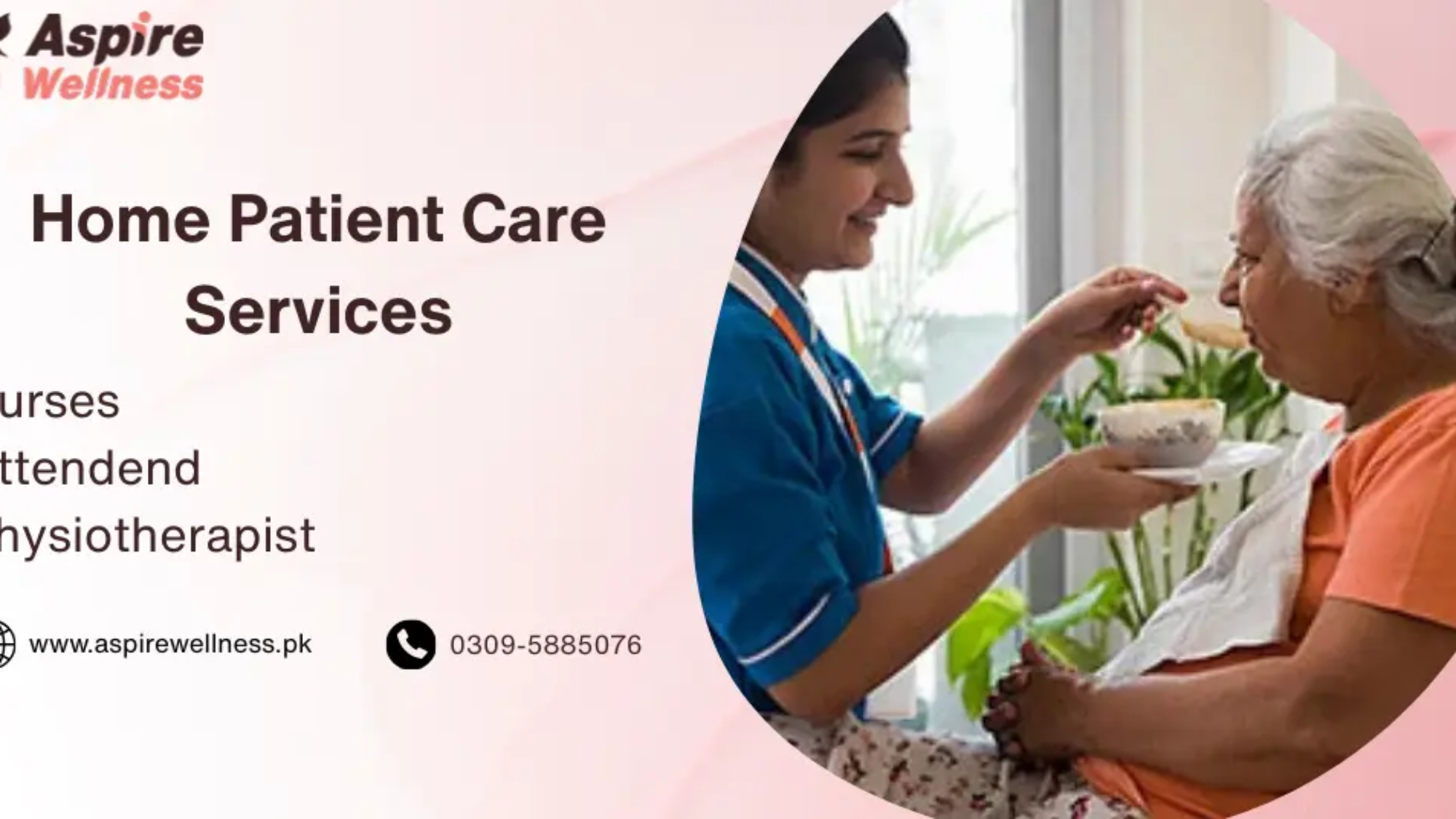
Many people assume that post-operative home care nursing is only for those with severe complications or major surgeries. In reality, professional home nursing after surgery benefits a wide range of patients, including the elderly, chronic illness sufferers, orthopedic and cardiac patients, and anyone who needs extra support for faster and safer recovery.
By opting for home nursing services after surgery, families can reduce hospital stays, prevent complications, and provide patients with comfort, dignity, and personalized care in their own home.
In this comprehensive guide, you’ll discover everything about post-operative home care nursing, including who needs it, services provided, cost factors, benefits, and tips for choosing the best home nursing provider.
1. What Is Post-Operative Home Care Nursing?
Post-operative home care nursing is a professional service that brings certified nurses and caregivers into the patient’s home to provide round-the-clock or scheduled care after surgery. This care ensures the patient recovers safely while avoiding hospital stress and infections.
Key Services Include:
-
Wound care and dressing changes
-
Medication administration and reminders
-
Vital signs monitoring (blood pressure, heart rate, temperature)
-
Pain management and post-surgery comfort
-
Assistance with daily living activities like bathing, feeding, and mobility
-
Physiotherapy support for orthopedic or joint surgery
-
Emergency response and immediate medical attention
Whether your loved one requires live-in nursing care, private duty nursing, or short-term post-operative home care, these services provide hospital-level medical support at home.
2. Why Post-Operative Home Nursing Is Essential
Many families assume they can manage post-surgery care alone, but professional support is often necessary. Home nursing after surgery provides safety, faster recovery, and emotional comfort that family caregiving alone may not achieve.
2.1 Ensures Safety & Prevents Accidents
Elderly patients, chronic illness sufferers, and post-surgery individuals are prone to:
-
Falls and injuries
-
Medication errors
-
Sudden complications
A trained nurse provides continuous monitoring and intervention, preventing emergencies before they occur.
2.2 Promotes Faster Recovery
Recovery in a familiar home environment is proven to be faster than extended hospital stays. Patients benefit from:
-
Reduced stress and anxiety
-
Lower risk of hospital-acquired infections
-
Personalized attention during recovery
Ideal for patients recovering from cardiac surgery, orthopedic surgery, abdominal surgery, or chronic illness-related procedures.
2.3 Personalized One-on-One Care
Unlike hospitals, where nurses manage multiple patients simultaneously, post-operative home care ensures focused attention on:
-
Medication schedules
-
Wound care
-
Vital monitoring
-
Physical therapy exercises
-
Emotional well-being
2.4 Quick Response in Case of Emergencies
Post-surgery patients can face unexpected complications. Home nurses detect early signs of deterioration, providing:
-
Immediate medical interventions
-
Quick communication with doctors
-
Prevention of unnecessary hospital readmissions
2.5 Emotional Support & Companionship
Post-surgery recovery often involves discomfort, anxiety, and isolation. A professional home nurse offers:
-
Emotional support
-
Reassurance and encouragement
-
Companionship during recovery
2.6 Reduces Family Stress
Family members can often feel overwhelmed managing post-surgery care alone. A professional nurse alleviates stress by:
-
Handling daily medical tasks
-
Assisting with personal care
-
Ensuring the patient follows recovery plans
2.7 Improves Overall Quality of Life
With professional post-operative care, patients experience:
-
Comfort and privacy
-
Personalized medical attention
-
Faster and safer recovery
Families gain peace of mind knowing their loved one is in safe hands.
3. Who Needs Post-Operative Home Nursing Care?
Not every patient requires home nursing after surgery, but several groups benefit the most:
3.1 Elderly Patients
Older adults face slower recovery and higher risk of post-surgery complications. Home nurses help with:
-
Medication adherence
-
Fall prevention
-
Nutrition and hydration
-
Mobility assistance
3.2 Patients with Chronic Conditions
Diabetes, heart disease, COPD, and other chronic illnesses require additional monitoring post-surgery. Nurses ensure:
-
Blood sugar management
-
Vital signs monitoring
-
Condition-specific care
3.3 Orthopedic and Major Surgery Patients
Joint replacements, spinal surgeries, and fractures require specialized care for:
-
Wound healing
-
Physiotherapy exercises
-
Pain management
3.4 Patients With Limited Family Support
For patients without full-time family caregivers, professional nurses provide:
-
24/7 monitoring
-
Assistance with daily living activities
-
Emotional and psychological support
3.5 Palliative or Terminal Care Patients
Patients undergoing surgery as part of palliative treatment benefit from:
-
Pain and symptom management
-
Compassionate emotional support
-
Continuous monitoring to prevent complications
4. Services Included in Post-Operative Home Nursing Care
Medical Services:
-
Wound dressing and infection prevention
-
IV therapy and medication administration
-
Vital signs monitoring
-
Post-surgical pain management
-
Physiotherapy guidance
Personal Care Services:
-
Assistance with bathing, grooming, and feeding
-
Mobility support
-
Toileting and daily living assistance
Specialized Services:
-
Chronic disease management
-
Palliative care
-
Night-time care and live-in nursing
-
Emotional support and companionship
5. Cost of Post-Operative Home Nursing Care
Cost depends on several factors:
-
Nurse qualifications (RN, LPN, caregiver)
-
Complexity of surgery and patient condition
-
Duration and frequency of nursing care
-
Specialized services required
Most families opt for:
-
12-hour shifts (day and night)
-
24-hour live-in care
Home nursing often proves more cost-effective than prolonged hospital stays while providing personalized, continuous care.
6. How to Choose the Best Post-Operative Home Nursing Provider
When selecting a home nursing provider, consider:
-
Nurse qualifications and experience
-
Availability of 24/7 support
-
Safety protocols and emergency handling
-
Background checks and reliability
-
Patient monitoring and reporting
A reputable provider ensures your loved one receives safe, compassionate, and professional care during recovery.
7. Final Thoughts: Why Post-Operative Home Care Nursing Is a Smart Choice
Choosing post-operative home care nursing means prioritizing:
-
Safety and accident prevention
-
Faster recovery in a familiar environment
-
One-on-one attention and monitoring
-
Emotional support and companionship
-
Reduced stress for family members
Whether your loved one is elderly, recovering from major surgery, or managing chronic conditions, professional home nursing ensures a smooth, safe, and comfortable recovery—right at home.
- Clinic Name: Aspire Wellness
- Address: DHA Phase 2 Ext Karachi
- Phone Number: 03095885076
- Website: https://aspirewellness.pk
- Google Maps URL: https://maps.app.goo.gl/QF5LJZUkJTRgnR2TA
Leave Your Comment