
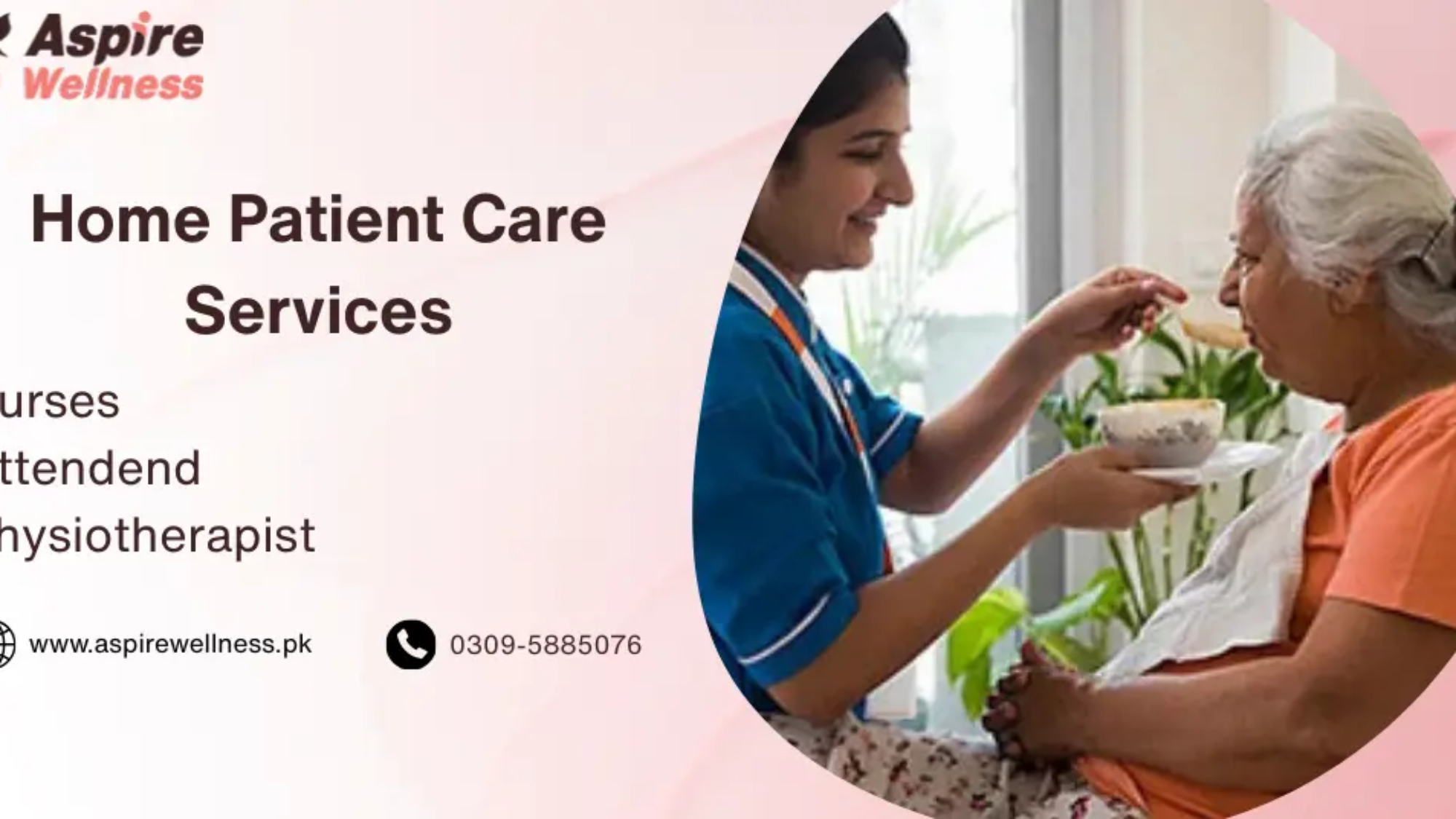
Many people think IV therapy is something only done in hospitals or clinics. But the truth is, IV therapy at home is not only safe but also convenient and increasingly popular for patients of all ages. Home IV therapy allows trained nurses to administer fluids, vitamins, and medications directly into the bloodstream, providing faster and more effective results in the comfort of your own home.
Whether it’s hydration, immune support, post-surgery recovery, or chronic illness management, IV therapy at home offers personalized care while reducing the stress and inconvenience of hospital visits.
In this complete guide, you’ll learn everything about IV therapy at home—including types, benefits, safety measures, and how to choose a reliable provider.
1. What Is IV Therapy at Home?
its at home, also called mobile IV therapy, is the administration of fluids, electrolytes, vitamins, or medications directly into the bloodstream by a trained nurse, but in your home instead of a clinic or hospital.
Key Features Include:
-
Direct administration of fluids, medications, and nutrients
-
Customized treatment based on patient needs
-
Continuous monitoring by certified nurses
-
Safe, sterile, and convenient procedures
Home IV therapy can help with:
-
Dehydration
-
Nutrient deficiencies
-
Post-surgery recovery
-
Chronic illnesses
-
Immune support and wellness
2. Why IV Therapy at Home Is a Smart Choice
Many people assume that its is only needed in hospitals. However, home its offers several advantages:
2.1 Comfort and Convenience
You don’t need to travel to hospitals or clinics. Treatment happens in your home, in a relaxed and familiar environment, which improves patient comfort and compliance.
2.2 Personalized Care
Unlike hospital IVs where nurses care for multiple patients, home its offers one-on-one attention. Nurses monitor:
-
Dosage and infusion rates
-
Vitals and response to treatment
-
Side effects or allergic reactions
2.3 Faster Recovery
Whether it’s dehydration, nutrient deficiency, or post-surgery care, IV therapy at home provides faster absorption of fluids and nutrients, helping patients recover more quickly than oral supplements alone.
2.4 Reduced Risk of Infections
Home its
minimizes exposure to hospital-acquired infections, ensuring treatment is safer, especially for patients with compromised immunity.
2.5 Flexible Scheduling
Treatments can be scheduled according to your convenience—morning, evening, or even 24-hour care if required.
3. Types of IV Therapy at Home and Their Benefits
3.1 Hydration IV Therapy
Replenishes fluids and electrolytes lost due to dehydration, illness, or excessive activity.
Benefits:
-
Restores fluid balance quickly
-
Reduces fatigue and dizziness
-
Improves energy levels
3.2 Vitamin & Nutrient Infusions
Delivers vitamins and minerals directly into the bloodstream for maximum absorption, including Vitamin C, B12, magnesium, and multivitamins.
Benefits:
-
Boosts immunity
-
Enhances energy
-
Supports recovery from illness or surgery
3.3 Post-Surgery Recovery IV Therapy
Helps patients regain strength and heal faster with fluids, nutrients, and medications administered safely at home.
Benefits:
-
Reduces hospital readmissions
-
Enhances wound healing
-
Provides personalized fluid and nutrient management
3.4 Immune Support & Wellness IV Therapy
Strengthens immunity and boosts overall wellness with nutrient-rich infusions.
Benefits:
-
Prevents infections
-
Reduces chronic fatigue
-
Enhances body resilience
3.5 Specialized IV Therapy for Chronic Conditions
Tailored its for chronic illnesses like diabetes, autoimmune disorders, or anemia, with professional monitoring to ensure safety.
Benefits:
-
Maintains nutrient balance
-
Reduces hospital visits
-
Provides comfort and convenience
4. How Home IV Therapy Works
-
Assessment: A certified nurse evaluates your health condition and treatment needs.
-
Preparation: Sterile IV equipment is prepared, and nutrients/fluids are customized.
-
Administration: The nurse inserts the IV and monitors infusion rate, vitals, and patient response.
-
Post-Care: The nurse ensures proper removal of the IV line and provides follow-up instructions.
5. Safety Measures for Home IV Therapy
-
Use of certified and trained nurses
-
Strict hygiene and sterile techniques
-
Regular monitoring of vitals during infusion
-
Emergency protocols in case of adverse reactions
-
Proper documentation and reporting
6. How to Choose the Best Home IV Therapy Provider
-
Check nurse qualifications and certifications
-
Verify experience with mobile IV services
-
Ensure 24/7 support and emergency response
-
Read reviews and testimonials
-
Confirm monitoring and reporting protocols
7. Cost of IV Therapy at Home
Costs depend on:
-
Type of IV (hydration, vitamins, chronic care)
-
Nurse qualifications
-
Duration and frequency of treatment
-
Specialized medications or nutrients
Home IV is generally more cost-effective than repeated hospital visits and offers the added convenience of treatment at home.
8. Final Thoughts
IV therapy at home is no longer just a hospital service—it’s a safe, effective, and convenient option for hydration, nutrient support, post-surgery recovery, immune boosting, and chronic illness management.
Choosing home IV therapy means:
-
Personalized and attentive care
-
Faster recovery and improved wellness
-
Reduced hospital visits and exposure to infections
-
Comfort, privacy, and convenience in your own home
Whether you need hydration, vitamins, or specialized IV therapy for chronic conditions, home IV therapy ensures professional, safe, and effective care—all without leaving your home.
- Clinic Name: Aspire Wellness
- Address: DHA Phase 2 Ext Karachi
- Phone Number: 03095885076
- Website: https://aspirewellness.pk
- Google Maps URL: https://maps.app.goo.gl/QF5LJZUkJTRgnR2TA
Leave Your Comment