Posture Correction Therapy

Posture Correction Therapy: Effective Techniques to Improve Your Spine Health

Many people believe that good posture is just about standing up straight or sitting upright, but this is a common misconception. Posture is not only about appearance—it directly impacts your spinal health, muscle function, and overall well-being. Poor posture over time can lead to chronic back pain, neck strain, shoulder tension, and even headaches. The solution? Posture correction therapy, a specialized approach that combines physiotherapy, corrective exercises, ergonomic adjustments, and home-based routines to restore proper alignment and reduce discomfort.

Whether you are dealing with rounded shoulders, slouching, or postural imbalances, posture correction therapy empowers you to regain control over your body, reduce pain, and prevent long-term musculoskeletal problems.


Understanding Poor Posture and Its Causes

Poor posture is more than a cosmetic issue—it’s a health concern that can lead to chronic discomfort and reduced mobility. Postural problems occur when muscles, joints, and ligaments are imbalanced or weakened, which forces your body into misaligned positions over time.

Common Causes of Poor Posture

  1. Prolonged Sitting: Long hours at a desk or in front of screens contribute to slouching and rounded shoulders.

  2. Incorrect Workstation Setup: Improper chair height, monitor placement, or keyboard positioning can strain the back, neck, and shoulders.

  3. Muscle Weakness or Imbalance: Weak core, back, and shoulder muscles fail to support correct spinal alignment.

  4. Spinal Deformities: Conditions like kyphosis or scoliosis can affect posture and lead to chronic discomfort.

Symptoms of Poor Posture

  • Chronic back, neck, or shoulder pain

  • Headaches caused by tension

  • Muscle fatigue and reduced endurance

  • Decreased flexibility and restricted movement

  • Slouched appearance and rounded shoulders

Many assume that posture problems are inevitable with age or lifestyle, but with posture correction therapy, these issues can be effectively addressed. Physiotherapy helps strengthen weak muscles, stretch tight areas, improve spinal alignment, and teach correct movement patterns.


How Posture Correction Therapy Helps

Contrary to the belief that posture problems are only cosmetic, posture correction therapy addresses the root causes of poor alignment. This therapy combines physiotherapy exercises, manual therapy, ergonomic adjustments, and home-based routines to reduce discomfort, restore muscle balance, and improve your overall spinal health.

Benefits of Posture Correction Therapy

  1. Reduces Back, Neck, and Shoulder Pain Naturally

    • Targeted stretching and strengthening exercises relieve tension in overworked muscles.

  2. Improves Muscle Strength and Core Stability

    • Strengthening weak muscles that support the spine prevents slouching and forward head posture.

  3. Restores Proper Spinal Alignment

    • Manual therapy and guided exercises correct misalignments, improving flexibility and mobility.

  4. Enhances Daily Function and Confidence

    • Proper posture reduces fatigue and improves balance, making everyday tasks easier and enhancing your physical presence.

  5. Prevents Future Postural Issues

    • Regularly following a guided program helps maintain spinal health and avoid chronic musculoskeletal problems.


Key Posture Correction Therapy Techniques

These techniques are designed to target both flexibility and strength, ensuring long-term posture improvement. They can often be practiced at home under the guidance of a physiotherapist.

1. Stretching Exercises

  • Purpose: Relieve tight muscles that pull the body into poor postural positions.

  • Examples: Chest stretches, thoracic spine extensions, hip flexor stretches

2. Strengthening Exercises

  • Purpose: Strengthen weak muscles to support proper alignment

  • Examples: Core strengthening, back strengthening, shoulder blade squeezes

3. Manual Therapy and Physiotherapy Techniques

  • Purpose: Improve mobility, release tension, and correct spinal misalignments

  • Techniques: Soft tissue mobilization, joint mobilization, myofascial release

4. Ergonomic Adjustments

  • Purpose: Prevent postural deterioration during work or daily activities

  • Examples: Correct chair height, monitor level, keyboard/mouse placement, standing desk setup

5. Home Exercise Programs

  • Purpose: Maintain daily consistency and long-term results

  • Examples: Stretching + strengthening routines, posture reminder exercises, balance exercises


Lifestyle Tips to Support Posture Correction Therapy

  • Maintain proper sitting and standing habits

  • Take regular breaks and perform micro-stretches during work

  • Strengthen your core and back muscles with simple daily exercises

  • Be mindful of posture throughout the day


When to Consult a Posture Correction Physiotherapist

  • Persistent back, neck, or shoulder pain

  • Difficulty maintaining correct posture despite exercises

  • Spinal deformities or postural imbalance

  • Professional physiotherapists can provide:

    • Customized exercise plans

    • Manual therapy and alignment techniques

    • Long-term posture management strategies


FAQs About Posture Correction Therapy

Q1: How long does it take to improve posture?

  • Mild to moderate cases often show improvement within 4–8 weeks with consistent practice.

Q2: Can posture correction therapy relieve chronic back or neck pain?

  • Yes, physiotherapy reduces pain and strengthens the supporting muscles, improving alignment.

Q3: Are home exercises effective?

  • Absolutely, especially when paired with professional guidance and ergonomic adjustments.

Q4: Can posture therapy benefit children and adults?

  • Yes, early intervention in children prevents long-term issues, while adults benefit from pain relief and improved alignment.

Q5: Is ergonomic correction really necessary?

  • Yes, it complements exercises and prevents future postural problems.


Conclusion

Posture correction therapy is not just about standing tall—it’s about improving spinal health, reducing pain, and enhancing overall body function. By combining stretching, strengthening, manual therapy, ergonomic adjustments, and home-based exercises, you can restore proper alignment, prevent chronic musculoskeletal issues, and enjoy better mobility and confidence. Consistency is key: daily practice and mindful posture habits make all the difference.

Chronic Pain Physiotherapy

Chronic Pain Physiotherapy: The Complete Guide to Managing Long-Term Pain

Many people believe that chronic pain can only be treated with medications or surgery, but this is a common misconception. The truth is, chronic pain physiotherapy offers a safe, natural, and highly effective approach to reduce persistent pain, restore mobility, and improve quality of life. By combining targeted exercises, manual therapy, posture correction, and home-based programs, physiotherapy addresses the root causes of pain instead of simply masking the symptoms.

Whether it’s chronic back pain, joint stiffness, or muscle soreness, physiotherapy can significantly improve your daily functioning and help prevent future complications. This approach empowers patients to regain control over their lives in a sustainable way.


Understanding Chronic Pain and Its Causes

Chronic pain is defined as pain that persists for more than three months or continues beyond the expected healing period. Unlike acute pain, which signals injury or inflammation, chronic pain often does not have a clear origin and can affect multiple areas of the body.

Common Causes of Chronic Pain

  1. Musculoskeletal injuries: Overuse, strain, or trauma that causes long-term discomfort

  2. Arthritis: Degeneration of joints leading to persistent pain in knees, hips, and hands

  3. Fibromyalgia: Widespread musculoskeletal pain, fatigue, and tenderness

  4. Postural issues: Poor posture increases stress on muscles and joints, often due to prolonged sitting or bad ergonomics

  5. Nerve-related pain: Conditions like sciatica or neuropathy generate ongoing pain signals

Symptoms of Chronic Pain

  • Persistent stiffness and joint discomfort

  • Muscle weakness and limited mobility

  • Fatigue and reduced physical performance

  • Occasional swelling or inflammation

  • Difficulty performing daily tasks

Many people assume that chronic pain must be tolerated or managed solely through medication, but physiotherapy targets the root causes to restore function and reduce long-term discomfort.

How Chronic Pain Physiotherapy Helps:

  • Reduces pain and inflammation naturally

  • Improves joint and muscle flexibility

  • Strengthens weak muscles supporting joints

  • Corrects posture and movement patterns

  • Prevents future flare-ups


How Chronic Pain Physiotherapy Helps

Contrary to common belief, chronic pain doesn’t have to control your life. Physiotherapy addresses the underlying issues causing long-term pain and helps improve function, strength, and mobility.

Benefits of Chronic Pain Physiotherapy

  1. Reduces Pain Naturally

    • Manual therapy, stretching, and targeted exercises help decrease muscle tension and inflammation

  2. Improves Mobility and Flexibility

    • Restores joint and muscle function, making daily activities easier

  3. Strengthens Muscles Supporting the Joints

    • Weak muscles contribute to ongoing pain; strengthening stabilizes joints and reduces risk of further injury

  4. Corrects Posture and Movement Patterns

    • Postural correction reduces strain on muscles and joints

  5. Prevents Future Flare-Ups

    • Proper guidance and consistent exercise habits help maintain long-term relief


Key Chronic Pain Physiotherapy Techniques and Exercises

These techniques are safe, evidence-based, and can often be done at home. Always perform exercises slowly, stop if pain increases, and consult a physiotherapist for severe cases.

1. Stretching and Mobility Exercises

  • Improves flexibility and reduces stiffness

  • Examples: Hamstring stretches, hip flexor stretches, gentle back extensions

2. Strengthening Exercises

  • Strengthens weak muscles supporting joints

  • Examples: Core strengthening, glute and hip exercises, shoulder stabilization exercises

3. Manual Therapy and Massage

  • Loosens tight muscles, improves circulation, and reduces pain

  • Techniques: Soft tissue massage, trigger point release, joint mobilization

4. Posture Correction Techniques

  • Corrects postural imbalances and reduces strain on muscles and joints

  • Examples: Ergonomic adjustments, spinal alignment exercises, mindful posture training

5. Home Exercise Programs

  • Provides daily exercises for long-term management

  • Examples: Gentle stretching, strengthening routines, balance exercises


Lifestyle and Self-Care Tips to Complement Physiotherapy

  • Posture Awareness: Maintain proper ergonomics while sitting or working

  • Stress Management: Yoga, meditation, and deep breathing reduce muscle tension

  • Diet & Hydration: Anti-inflammatory foods and proper hydration support recovery

  • Heat Therapy: Warm compresses relax tight muscles

  • Regular Movement: Avoid long periods of inactivity


When to Consult a Chronic Pain Physiotherapist

  • Severe or worsening pain

  • Reduced mobility affecting daily activities

  • Chronic inflammation or swelling

  • Persistent symptoms despite home care

Professional interventions may include:

  • Customized exercise programs

  • Manual therapy and mobilization techniques

  • Pain management strategies for specific conditions


FAQs About Chronic Pain Physiotherapy

Q1: How long does it take to see results?

  • Mild to moderate cases often see improvement within 4–6 weeks with consistent exercise.

Q2: Can physiotherapy fully relieve chronic pain?

  • It depends on the cause, but physiotherapy significantly reduces pain and improves mobility in most cases.

Q3: Are home exercises effective?

  • Yes, especially when paired with posture correction and professional guidance.

Q4: Can massage alone help?

  • Massage reduces tension, but a combination of exercises and therapy is necessary for long-term results.

Q5: Is posture really important for chronic pain?

  • Absolutely. Poor posture is a major contributor to persistent pain and flare-ups.


Conclusion

Chronic pain physiotherapy is a safe, natural, and effective method for managing long-term pain. By combining targeted exercises, manual therapy, posture correction, and lifestyle modifications, patients can reduce discomfort, restore function, and prevent future flare-ups. Consistency is key—daily practice and mindful movement lead to long-term relief without over-reliance on medication or invasive procedures.

TMJ physical therapy

TMJ Physical Therapy: Expert Guide to Relieve Jaw Pain and Improve Mobility

Many people assume that TMJ pain and jaw discomfort can only be fixed with medications, injections, or surgery, but this is a misconception. In reality, TMJ physical therapy — including exercises, stretches, massage, and lifestyle adjustments — can effectively reduce jaw pain, restore jaw mobility, and improve overall jaw function naturally.

TMJ (temporomandibular joint) disorders often cause jaw clicking, stiffness, tension, headaches, and even ear pain. The good news? With physiotherapist-approved TMJ exercises and home techniques, you can significantly reduce discomfort without relying on medication.


What is TMJ Disorder and Why Does it Cause Jaw Pain?

The temporomandibular joint (TMJ) connects your jawbone to your skull, allowing smooth jaw movements for chewing, speaking, and yawning. TMJ disorders occur when this joint or surrounding muscles become inflamed, irritated, or misaligned.

Common causes include:

  • Teeth grinding or clenching (bruxism)

  • Poor posture or forward head position

  • Stress, leading to increased jaw tension

  • Trauma or injury to the jaw

  • Arthritis or degenerative joint changes

Symptoms of TMJ disorder:

  • Jaw pain or tenderness

  • Clicking, popping, or grinding sounds

  • Limited jaw movement or stiffness

  • Headaches, neck pain, or ear discomfort

Many assume TMJ pain will resolve on its own, but untreated cases can become chronic and impact daily life, making eating, speaking, and sleeping uncomfortable.

How TMJ Physical Therapy Helps:
TMJ physiotherapy addresses the root cause of jaw pain by:

  • Reducing muscle tension and inflammation

  • Improving jaw joint mobility and flexibility

  • Strengthening supporting muscles

  • Correcting posture and jaw alignment

With proper exercises and techniques, TMJ physical therapy provides a safe, natural, and effective solution for relieving jaw pain and improving function.


How TMJ Physical Therapy Helps

Contrary to the belief that jaw pain can only be managed with medications or dental appliances, TMJ physical therapy targets the underlying cause, rather than just masking discomfort. By using carefully designed exercises, stretches, and massage techniques, TMJ physiotherapy relieves tension, restores alignment, and improves mobility.

Benefits of TMJ Physical Therapy:

  1. Reduces Jaw Pain and Muscle Tension

    • Gentle stretches and massage relax overactive jaw muscles.

  2. Improves Jaw Mobility and Flexibility

    • Exercises increase range of motion for easier jaw movement.

  3. Strengthens Supporting Muscles

    • Stabilizes the TMJ and prevents future pain.

  4. Corrects Posture and Reduces Strain

    • Proper posture reduces stress on the jaw and prevents aggravation.


Top TMJ Physical Therapy Exercises (Step-by-Step)

These exercises are safe, physiotherapist-approved, and can be done at home. Perform them slowly, and stop if pain sharpens.

1. Jaw Stretching Exercise

Purpose: Relieves stiffness and improves jaw opening
Steps:

  1. Sit or stand upright with relaxed shoulders.

  2. Slowly open your mouth as wide as comfortable.

  3. Hold 5–10 seconds, then close slowly.

  4. Repeat 8–10 times.

2. Resistance Jaw Exercise

Purpose: Strengthens jaw muscles and stabilizes the TMJ
Steps:

  1. Place thumb under chin.

  2. Open mouth slowly while pressing upward with your thumb.

  3. Hold 5 seconds, then relax.

  4. Repeat 8–10 times.

3. Side-to-Side Jaw Movements

Purpose: Reduces stiffness and improves lateral mobility
Steps:

  1. Sit upright and gently move lower jaw side to side.

  2. Go as far as comfortable without pain.

  3. Repeat 8–10 times per side.

4. Relaxed Jaw Posture Technique

Purpose: Reduces tension and prevents clenching
Steps:

  1. Sit or stand with shoulders relaxed.

  2. Keep lips gently closed, teeth slightly apart.

  3. Focus on releasing tension.

  4. Practice 2–3 minutes, several times a day.

5. TMJ Massage Techniques

Purpose: Loosens tight muscles around jaw and TMJ
Steps:

  1. Use fingertips to massage jaw joint area in small circular motions.

  2. Focus on tender spots for 1–2 minutes per side.

  3. Can combine with heat for better results.

Tips for Safe and Effective Exercises:

  • Move slowly; avoid jerky movements

  • Stop if pain sharpens

  • Warm up with gentle massage or heat

  • Maintain a consistent daily routine

  • Combine with posture correction and stress management


Home TMJ Physical Therapy Tips

  • Posture Correction: Keep shoulders relaxed, avoid forward head posture

  • Stress Management: Deep breathing and relaxation reduce jaw clenching

  • Heat Therapy: Warm compress relaxes tense jaw muscles

  • Avoid Hard Foods: Chewing tough foods can aggravate TMJ pain

  • Consistent Routine: Daily exercises produce long-term relief


When to See a TMJ Physiotherapist

Seek professional help if:

  • Pain is severe or worsening

  • Limited jaw opening

  • Chronic clicking or popping

  • Jaw pain lasts longer than 4–6 weeks

Professional interventions may include:

  • Manual therapy and jaw mobilization

  • Advanced exercise programs

  • Custom TMJ treatment plans


Lifestyle Changes That Complement TMJ Physical Therapy

  • Stress Reduction: Yoga, meditation, and deep breathing

  • Avoid Teeth Clenching: Be mindful of jaw tension during the day

  • Balanced Diet: Softer foods reduce strain on jaw

  • Ergonomics: Proper workstation setup to maintain posture


FAQs About TMJ Physical Therapy

Q1: How fast does TMJ physical therapy work?
A: Mild cases often improve within 4–6 weeks with consistent exercises.

Q2: Can TMJ exercises prevent jaw clicking?
A: Yes, targeted stretches and strengthening reduce joint strain and noise.

Q3: Are home exercises enough for TMJ pain?
A: Most mild to moderate cases respond well, but severe cases may need professional physiotherapy.

Q4: Can massage alone help?
A: Massage reduces muscle tension, but exercises are needed to restore mobility and strength.

Q5: Is posture really important for TMJ?
A: Yes, poor posture increases jaw tension and can worsen TMJ symptoms.


Conclusion

TMJ physical therapy is a safe, natural, and highly effective way to relieve jaw pain, restore mobility, and prevent future issues. By combining targeted exercises, massage, posture correction, and lifestyle adjustments, you can achieve long-term relief without medications or invasive treatments.

Consistency is key — practicing these techniques daily and maintaining healthy jaw habits will make a significant difference. If pain persists, a physiotherapist can create a personalized TMJ therapy plan to accelerate recovery.

How to Relieve Sciatica at Home

How to Relieve Sciatica at Home: Expert-Approved Guide for Fast Pain Relief

Most people think that sciatica pain can only be fixed with strong medications, injections, or surgery, but that’s a common misconception. In fact, many people get faster, longer-lasting relief using simple, proven home remedies for sciatica, especially if treatment begins early. With the right combination of exercises, stretches, and lifestyle adjustments, you can relieve sciatica pain at home naturally without relying on drugs.

Sciatica can be debilitating — shooting pain down your leg, tingling, numbness, or burning sensations make sitting, standing, or sleeping uncomfortable. The good news? Most mild to moderate cases respond well to home treatment for sciatica, which reduces inflammation, decompresses the nerve, and restores mobility.


What Is Sciatica and Why Does It Hurt So Much?

Sciatica isn’t a disease — it’s a symptom of irritation or compression of the sciatic nerve, the largest nerve in your body, which runs from your lower back down your legs. Causes include:

  • Herniated or bulging discs

  • Tight piriformis or hamstring muscles

  • Spinal stenosis or nerve entrapment

  • Poor posture or prolonged sitting

Many assume sciatica is caused solely by disc problems, but often tight muscles, inflammation, and nerve compression are major contributors. When irritated, the sciatic nerve sends intense pain signals that can feel like sharp shooting pain, burning, or tingling down your leg.

Common symptoms include:

  • Pain radiating from the lower back to the buttock and leg

  • Tingling, numbness, or burning sensations

  • Difficulty sitting or standing for long periods

  • Pain worsening with bending, twisting, or lifting

With targeted home remedies, exercises, and posture correction, sciatica pain can be managed effectively without medications or surgery.


How to Know If You Can Treat Sciatica at Home

Not all sciatica requires professional intervention. Home remedies are effective if:

  • Pain is mild to moderate

  • You can walk and move without severe weakness

  • Pain improves with gentle stretching or movement

  • Symptoms are recent (less than 4–6 weeks)

If these conditions are met, you can safely try home treatment for sciatica pain, including stretching, exercises, nerve glides, and natural anti-inflammatory methods.

Red flags requiring a professional:

  • Severe or worsening numbness

  • Progressive leg weakness

  • Loss of bladder or bowel control

  • Pain not improving after several weeks

Most people, however, respond well to at-home physiotherapy routines.


Best Exercises to Relieve Sciatica at Home (Physiotherapist-Approved)

One of the most common myths is that you must rest completely. In reality, gentle, controlled movement is key. Exercises relieve nerve compression, strengthen supporting muscles, and restore flexibility — all from home.

Why exercises work:

  • Improve blood flow and reduce inflammation

  • Stretch tight muscles like the piriformis and hamstrings

  • Strengthen core, glutes, and lower back

  • Prevent recurrence of pain

Top 5 Sciatica Exercises

  1. Piriformis Stretch
    Lie on your back, cross one leg over the opposite knee, pull your thigh toward your chest, and hold 20–30 seconds. Repeat both sides.

  2. Knee-to-Chest Stretch
    Lie on your back, pull one knee to your chest at a time, hold 20 seconds, repeat 5–10 times.

  3. Cat-Cow Stretch
    On hands and knees, arch your back like a cat, then drop it into cow position, repeat 10–15 times.

  4. Seated Spinal Twist
    Sit with legs extended, cross one leg over, twist gently toward that knee, hold 20–30 seconds per side.

  5. Nerve Gliding Exercise
    Sit with one leg extended, flex and point toes slowly 10–15 times per leg to mobilize the sciatic nerve.

Safety tips:

  • Move slowly; avoid jerky movements

  • Stop if pain radiates sharply

  • Warm up with light walking

  • Increase reps gradually


Natural Home Remedies for Sciatica Pain Relief

1. Hot and Cold Therapy

  • Use ice packs for the first 48 hours to reduce inflammation

  • Apply heat packs after swelling decreases to relax muscles

2. Self-Massage Techniques

  • Massage lower back, glutes, and piriformis using a tennis ball or foam roller

  • Improves circulation and releases tension

3. Herbal and Natural Anti-Inflammatory Options

  • Turmeric, ginger, and magnesium-rich foods can reduce inflammation

  • Epsom salt baths help relax tight muscles

4. Daily Stretching Routine

  • Incorporate the above stretches into morning and evening routines

  • Consistency speeds recovery


Best Sleeping Positions for Sciatica Relief

  • Side sleeping with a pillow between knees reduces nerve pressure

  • Back sleeping with a pillow under knees helps maintain spinal alignment

  • Avoid sleeping on your stomach or in positions that twist the lower back


Lifestyle Changes That Help Sciatica Heal Faster

  • Sitting habits: Use an ergonomic chair, avoid prolonged sitting

  • Movement habits: Take short walks, gentle stretching breaks

  • Posture correction: Maintain straight spine when sitting or standing

  • Weight management: Reduces pressure on lower back and sciatic nerve


Quick Relief Methods for Severe Sciatic Nerve Pain

  • Knee-to-chest hold for 5–10 minutes

  • Piriformis stretch with towel roll support

  • Heat packs on the lower back for muscle relaxation

  • Gentle nerve glides to release nerve tension


When Home Treatment Isn’t Enough

See a physiotherapist or doctor if:

  • Pain is worsening despite home care

  • You have leg weakness or numbness

  • Loss of bladder or bowel control

Professional physiotherapy can include:

  • Targeted strengthening and stretching routines

  • Manual therapy and massage

  • Ultrasound or shockwave therapy

  • Guidance on posture, ergonomics, and activity modification


FAQs About Sciatica at Home

Q1: How long does sciatica take to heal naturally?
A: Most mild cases improve in 4–6 weeks with consistent home care.

Q2: Can walking relieve sciatica pain at home?
A: Yes, light walking improves circulation and reduces stiffness.

Q3: Should I exercise if I have sciatica?
A: Controlled, gentle exercises are highly recommended.

Q4: Are braces or supports effective?
A: They provide temporary relief but don’t address the root cause.

Q5: Can sciatica become chronic?
A: Yes, if untreated or if lifestyle adjustments aren’t followed, it can persist long-term.


Conclusion: Your Complete Home Plan to Relieve Sciatica Naturally

Relieving sciatica at home is entirely possible with a combination of targeted exercises, stretching routines, hot/cold therapy, and lifestyle adjustments. By staying consistent and mindful of posture, movement, and daily habits, you can significantly reduce pain, restore mobility, and prevent future flare-ups.

Remember: early action and consistency are key. If symptoms persist or worsen, consult a physiotherapist to personalize your treatment plan.

best exercises for patellar tendonitis

10 Best Exercises for Patellar Tendonitis (Complete Guide for Fast Pain Relief & Stronger Knees)

Most people believe that patellar tendonitis — also known as jumper’s knee — only happens to athletes or those involved in high-impact sports. But here’s the truth: you don’t need to be a basketball or volleyball player to develop patellar tendon pain. Even simple daily activities like running, climbing stairs, standing for long hours, or sudden increases in training load can over-stress the patellar tendon.

If you’ve been struggling with knee pain just below the kneecap, stiffness, or difficulty bending the knee, you’re not alone. The good news? The fastest and most effective way to recover is through targeted physiotherapy exercises — specifically designed to reduce pain, improve mobility, strengthen the quadriceps, and rebuild the patellar tendon.

In this detailed guide, you’ll learn exactly how to treat patellar tendonitis naturally at home, including the best exercises, stretching routine, form tips, and physio-approved strategies to help you return to your normal activities without pain.


What Is Patellar Tendonitis (Jumper’s Knee)?

Patellar tendonitis occurs when the tendon that connects your kneecap to your shinbone becomes irritated or overloaded. This tendon helps you straighten your knee, absorb shock, and stabilize your leg during activities such as jumping, running, or squatting.

When the tendon undergoes repeated stress, tiny micro-tears begin to form, leading to pain, swelling, and stiffness. Over time, this becomes a chronic condition known as patellar tendinopathy.

Common symptoms include:

  • Pain just below the kneecap

  • Tenderness after activity

  • Stiffness in the morning or after rest

  • Pain during squatting, jumping, or running

  • Weakness in the knee

  • Difficulty bending or straightening the leg

Many people search for terms like “why does my patellar tendon hurt?”, “how to heal jumper’s knee fast”, or “best knee exercises for tendonitis”, because the pain can be persistent if untreated.


Why Exercises Are the Most Effective Treatment for Patellar Tendonitis

A lot of people think resting the knee completely will solve the problem — but complete rest can make the tendon weaker, not stronger. That’s why physiotherapists recommend controlled loading, especially eccentric exercises, to stimulate healing.

Here’s why exercises work better than rest or medication:

1. Exercises stimulate natural tendon repair

The patellar tendon responds best to controlled, progressive loading. Eccentric and isometric exercises help reduce inflammation, repair micro-tears, and strengthen the fibers.

2. They improve knee strength and stability

Weak quadriceps, hamstrings, calf muscles, and glutes can overload the patellar tendon. Strengthening them reduces stress and enhances movement efficiency.

3. Exercises correct biomechanical imbalances

Poor hip mobility, weak glutes, and tight hamstrings all contribute to knee pain. A proper rehab routine restores balance in the entire lower body.

4. Provides long-term results

Unlike painkillers or injections, exercises offer permanent relief by addressing the root cause.

5. Helps athletes return to sport safely

Whether you’re a runner, footballer, gym-goer, or recreational athlete, the right exercises restore tendon strength and prevent re-injury.


10 Best Exercises for Patellar Tendonitis (Step-by-Step)

These exercises are commonly used in physiotherapy for “jumper’s knee rehab”, “patellar tendon strengthening routine,” and “knee tendonitis treatment.”


1. Eccentric Decline Squats (Gold Standard)

The single most effective exercise for healing patellar tendonitis.

How to do it:

  1. Stand on a decline board.

  2. Lower into a squat slowly (3–4 seconds).

  3. Rise back up using both legs.

  4. Repeat 10–15 reps × 3 sets.

Benefits:

  • Rebuilds tendon strength

  • Reduces tendon pain

  • Improves knee tracking


2. Isometric Wall Sits

Perfect for reducing pain without irritating the tendon.

How to do it:

  1. Lean against a wall at 90° knee bend.

  2. Hold 20–45 seconds.

  3. Repeat 3–5 times.

Benefits:

  • Reduces pain quickly

  • Improves tendon tolerance


3. Straight-Leg Raises

A safe, low-impact quadriceps activator.

How to do it:

  1. Lie down with one leg straight.

  2. Lift to 45°.

  3. Lower slowly.

  4. Repeat 12–15 reps × 3 sets.


4. Hamstring Stretch

Tight hamstrings pull the knee joint and increase tendon stress.

How to do it:

  1. Extend one leg.

  2. Reach toward your toes.

  3. Hold 20–30 seconds.


5. Hip Flexor Stretch

Helps reduce anterior knee pressure.

How to do it:

  1. Kneel on one knee.

  2. Push hips forward.

  3. Hold 20–30 seconds.


6. Glute Bridge

Strengthens glutes, reduces knee overload.

How to do it:

  1. Lie on your back.

  2. Lift hips, squeeze glutes.

  3. Lower slowly.

  4. 12–15 reps × 3 sets.


7. Calf Raises

Improves ankle control and reduces knee stress.

How to do it:

  1. Stand on toes.

  2. Raise slowly.

  3. Lower slowly.


8. Terminal Knee Extensions (TKE)

Great for isolated quad activation.

How to do it:

  1. Loop band behind knee.

  2. Bend and straighten against resistance.


9. Seated Leg Extensions (Light Weight)

Focus on slow, controlled reps.


10. Step-Up Progressions

Build functional strength for daily activities.


How to Do These Exercises Safely (Form Tips + Common Mistakes)

Doing the right exercises the wrong way can make symptoms worse. Follow these guidelines to avoid mistakes.


✔ Keep Your Movements Slow and Controlled

Rushing through reps increases tendon strain and reduces effectiveness.


✔ Stop If You Feel Sharp Pain (Mild Discomfort Is Normal)

Some pressure is expected, but sharp pain is a sign to adjust the load.


✔ Avoid Deep Squats in the Early Stage

Deep flexion increases tendon compression — stick to controlled mid-range squats initially.


✔ Warm Up Before Every Session

A 5-minute warm-up improves blood flow and prepares the tendon.


✔ Don’t Increase Weight or Volume Too Quickly

Progressive loading is key — increase resistance gradually each week.


When to Seek Professional Physiotherapy Help

Although many people recover with home exercises, you should seek help if you experience:

  • Pain worsening over 2–3 weeks

  • Swelling that doesn’t reduce

  • Difficulty bending the knee

  • Clicking or locking in the knee

  • Pain during daily activities like walking or climbing stairs

A physiotherapist can provide:

  • Personalized strengthening programs

  • Manual therapy

  • Ultrasound or shockwave therapy

  • Running or gym technique correction

This is essential for those searching for “best physiotherapist for patellar tendonitis near me.”


FAQs About Patellar Tendonitis Exercises

1. How long does patellar tendonitis take to heal?

4–12 weeks depending on severity and consistency with exercises.

2. Should I exercise with patellar tendonitis?

Yes — controlled exercises are the best treatment.

3. Do knee braces help?

They can temporarily reduce stress but are not a long-term solution.

4. Are squats safe for patellar tendonitis?

Yes, especially eccentric decline squats and controlled-range squats.

5. Can patellar tendonitis become chronic?

Yes — without treatment, it can become long-term patellar tendinopathy.


Final Thoughts

Patellar tendonitis can be frustrating, but the right exercise plan can help you reduce pain, rebuild strength, and return to your normal lifestyle confidently. With consistent practice and proper form, your knees can become stronger and more resilient than ever.

Home physiotherapy Karachi

Home Physiotherapy in Karachi: 9 Proven Benefits & Expert Tips for Fast Recovery at Your Doorstep

Many people in Karachi still believe that physiotherapy can only be done in clinics or hospitals, and that home-based treatment is ineffective. This is a common misconception. In reality, home physiotherapy in Karachi brings expert care directly to your doorstep, offering professional rehabilitation, pain relief, and mobility improvement without the need for travel.

Whether you’re recovering from surgery, managing chronic pain, or need guided exercises for mobility, home physiotherapy allows you to receive personalized, science-backed care in the comfort of your own home. Searches like home visit physiotherapist Karachi, physiotherapy at home Karachi, and mobile physiotherapy Karachi are rising as people discover its convenience and effectiveness.


1. What Is Home Physiotherapy?

Home physiotherapy is a specialized service where certified physiotherapists visit patients at home to provide personalized treatment plans. Unlike clinic-based physiotherapy, it delivers professional care in a safe, comfortable environment, tailored to your lifestyle, space, and condition.

Key Differences Between Home and Clinic Physiotherapy

  1. Convenience: Avoid daily commuting, ideal for elderly or immobile patients.

  2. Personalized Care: Exercises are designed for your home environment.

  3. Flexible Scheduling: Appointments can match your routine.

  4. Safety: Reduced exposure to crowded clinics, especially post-surgery or for chronic illness patients.

Services Offered

  • Pain management for back, neck, shoulder, knee, and joint pain

  • Post-surgery rehabilitation (hip, knee, shoulder)

  • Stroke recovery and neurological rehabilitation

  • Sports injury recovery and mobility improvement

  • Guided physiotherapy exercises for daily activities

  • Chronic pain and arthritis management


2. Who Can Benefit from Home Physiotherapy in Karachi?

Home physiotherapy is not limited to post-surgery patients. It benefits a wide range of individuals:

Elderly Patients

Reduces stiffness, improves balance, and maintains independence with home physiotherapy for elderly patients in Karachi.

Post-Surgery Patients

Ensures consistent rehabilitation after knee, hip, or shoulder surgery with professional guidance from a certified home physiotherapist for post-surgery care Karachi.

Stroke and Neurological Rehabilitation

Customized exercises for stroke patients enhance mobility and daily functioning with home physiotherapy for stroke patients in Karachi.

Chronic Pain Sufferers

Relieves back pain, neck pain, sciatica, arthritis, and joint issues through safe, home-based physiotherapy sessions.

Sports Injuries & Mobility Recovery

Athletes can recover from injuries with mobile physiotherapy in Karachi, improving strength and flexibility while preventing future injuries.

Children & Patients with Limited Mobility

Brings professional care directly to those unable to attend clinics, including pediatric patients or individuals with severe mobility issues.


3. Key Services Offered in Home Physiotherapy

Modern home physiotherapy offers a comprehensive range of treatments:

Physiotherapy Assessments at Home

Initial evaluation of posture, range of motion, pain, and functional limitations to design a customized home physiotherapy treatment plan.

Pain Management & Rehabilitation

Targeted exercises and manual therapy for chronic pain, back pain, neck stiffness, sciatica, and joint discomfort.

Post-Surgery Recovery

Rehabilitation for knee, hip, shoulder, and post-operative patients, ensuring safe and effective recovery at home.

Mobility & Functional Exercises

Guided exercises for improving daily activities, flexibility, and balance.

Sports Injury Management

Structured programs for athletes to restore strength, mobility, and coordination safely.

Specialized Programs

  • Stroke rehabilitation

  • Arthritis management

  • Pediatric physiotherapy

  • Postural correction and ergonomic training


4. Benefits of Home Physiotherapy

  • Convenience & Comfort: Receive professional care without leaving home

  • Personalized Treatment: Tailored exercises and rehabilitation plans

  • Faster Recovery: Supervised sessions enhance healing efficiency

  • Safety: Avoid crowded clinics, especially important for vulnerable patients

  • Cost-Effective: Reduces travel costs and frequent clinic visits

  • Long-Term Functional Improvement: Supports independent mobility and overall wellness


5. How Home Physiotherapy Sessions Work

  1. Initial Consultation & Assessment: Evaluating pain, mobility, and functional needs

  2. Customized Rehabilitation Plan: Exercises tailored to the patient’s home setup and condition

  3. Guided Physiotherapy Exercises: Pain relief, muscle strengthening, and mobility improvement

  4. Follow-Up & Progress Tracking: Adjustments to treatment based on improvement

  5. Family Involvement & Support: Tips for caregivers to assist safely


6. Choosing the Right Home Physiotherapy Service in Karachi

  • Look for certified and experienced physiotherapists

  • Check Google reviews and patient testimonials

  • Confirm availability of services: post-surgery rehab, chronic pain, stroke care

  • Evaluate affordability and transparent pricing

  • Consider areas served: DHA, Clifton, Korangi, Gulshan, etc.


7. Frequently Asked Questions (FAQ)

Q1: Does home physiotherapy cost more than clinic visits?
A1: Not necessarily. Many services offer affordable packages with personalized care.

Q2: Is home physiotherapy as effective as clinic-based therapy?
A2: Yes, it delivers professional treatment and faster recovery in a safe, familiar environment.

Q3: How many sessions are usually needed?
A3: Depends on the condition—1–3 sessions for mild pain, 4–8 for post-surgery or chronic conditions.

Q4: Can it help post-surgery patients?
A4: Absolutely, especially for knee, hip, or shoulder rehabilitation.

Q5: Are physiotherapy exercises at home safe for elderly patients?
A5: Yes, sessions are tailored to their mobility and health condition.


8. Conclusion

Home physiotherapy in Karachi is transforming the way people access healthcare. From post-surgery recovery and chronic pain relief to stroke rehabilitation and sports injury management, it provides convenient, professional, and effective care at your doorstep.

Whether you’re elderly, recovering from surgery, or seeking guided mobility improvement, home physiotherapy offers personalized treatment plans, faster recovery, and long-term functional benefits.

Invest in your health today—book a certified home physiotherapist in Karachi and start your journey to pain-free, independent living.

Dry Needling

Dry Needling Explained: 11 Surprising Benefits, Expert Secrets & Fast Pain-Relief Results You Must Know

Most people still believe that Dry Needling is just a type of acupuncture, but that’s a common misconception. While both use thin needles, dry needling targets muscular trigger points, whereas acupuncture focuses on energy meridians. If you thought dry needling was just acupuncture done by a physiotherapist, it’s time to rethink.

It has emerged as one of the most effective physiotherapy treatments for muscle pain, stiffness, sports injuries, trigger points, and chronic tension. People searching for dry needling therapy, dry needle treatment, or dry needle muscle release are looking for fast, science-backed relief—and this treatment delivers.

Whether it’s back pain, neck stiffness, sciatica, or shoulder tightness, it is a proven, evidence-based therapy that helps restore movement, reduce pain, and improve quality of life.


1. What Is Dry Needling? (Beginner-Friendly Explanation)

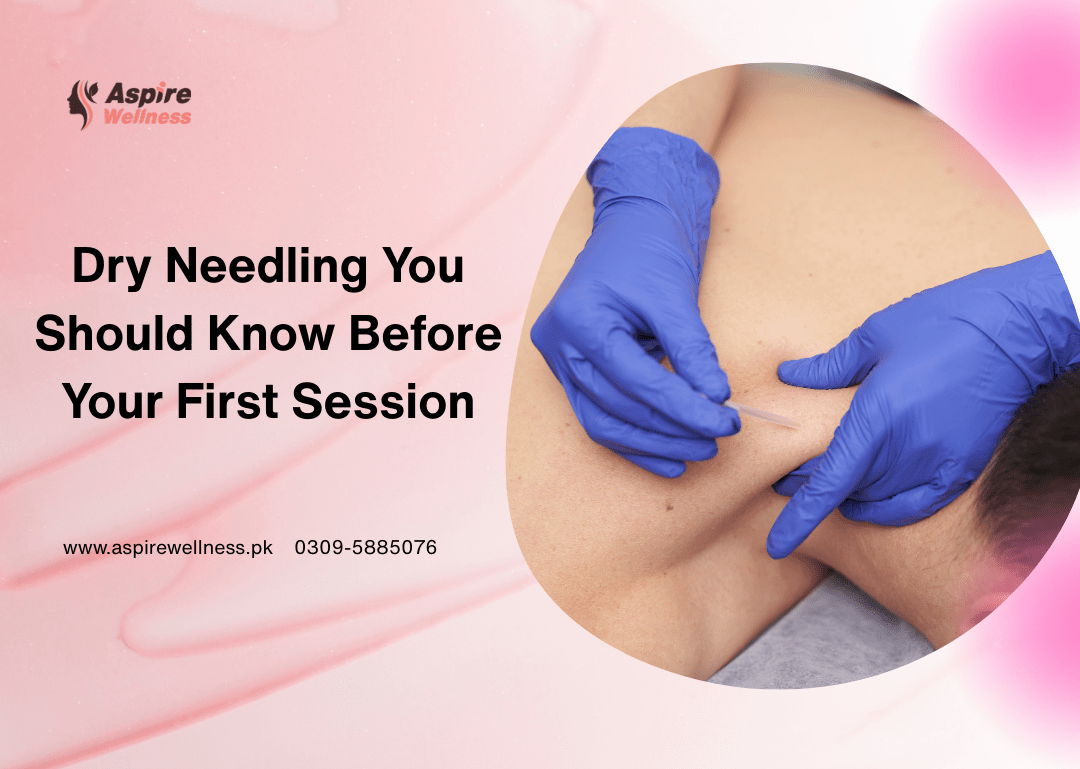
At its core, it is a physiotherapy technique where a trained practitioner inserts a thin, sterile needle into a myofascial trigger point—a tight, painful band of muscle fibers that restricts movement.

The term “dry” comes from the fact that no medication is injected. The needle itself stimulates healing, relaxes the muscle, increases blood flow, and reduces pain almost immediately.

Dry Needling vs Acupuncture

  • Dry Needling: Targets muscular trigger points to relieve tension, improve mobility, and reduce pain.

  • Acupuncture: Works on energy pathways (meridians) for holistic balance.

it is also called:

  • Intramuscular stimulation therapy

  • Deep tissue dry needling

  • Dry needling physiotherapy treatment

Why Physiotherapists Use Dry Needling

Physiotherapists use dry needling to reach deep layers of muscle that manual therapy can’t. It’s effective for:

  • Chronic muscle tightness and stiffness

  • Trigger point pain

  • Neck and shoulder pain

  • Sciatica or lower back pain

  • Post-workout muscle soreness

  • Sports injury rehabilitation

  • Limited mobility due to tight muscles

it targets the root cause of pain, providing long-term relief rather than temporary comfort.


2. How Dry Needling Works: The Science Behind the Technique

it isn’t magic—it’s science. When the needle enters a trigger point, it stimulates a natural healing response:

  1. Muscle Twitch Response – The muscle contracts slightly, releasing tension in the knot.

  2. Improved Blood Flow – Increases circulation, bringing oxygen and nutrients to the area.

  3. Neurological Reset – Reduces confusing pain signals sent to the brain.

  4. Tissue Repair & Healing – The micro-trauma stimulates repair, reducing inflammation and tightness.

This technique is highly effective for muscle knots, chronic pain, stiffness, and restricted mobility, making it a preferred method in modern physiotherapy.


3. What to Expect During a Dry Needling Session

Understanding the process can ease anxiety. Here’s what a typical session looks like:

Step 1: Assessment

The physiotherapist evaluates posture, range of motion, pain areas, and medical history to ensure safe, effective treatment.

Step 2: Preparation

The target area is cleaned for hygiene. Your therapist explains the procedure and positions you comfortably.

Step 3: Needle Insertion

A thin, sterile needle is inserted into the trigger point. You may feel a small pinch or tingling. Sometimes, the muscle twitches—this is normal and signals the muscle is releasing.

Step 4: Post-Needling Care

Gentle stretching or manual therapy may follow. Mild soreness is common and usually resolves in 24–48 hours.

Step 5: Recovery & Follow-Up

Some patients feel immediate relief; others experience gradual improvement over days. Your therapist may suggest hydration, stretching, or light exercises to maximize benefits.


4. Benefits of Dry Needling

it offers multiple benefits that make it a preferred therapy for physiotherapists and patients alike:

  • Muscle Pain Relief – Relieves tension in targeted muscles.

  • Trigger Point Release – Reduces knots and improves flexibility.

  • Reduced Stiffness – Restores movement and eases chronic tightness.

  • Faster Recovery for Athletes – Speeds up rehabilitation after sports injuries.

  • Improved Circulation – Boosts nutrient delivery to muscles.

  • Long-Term Relief – Targets root causes, not just symptoms.

  • Enhanced Range of Motion – Ideal for mobility issues.

  • Chronic Pain Management – Effective for back, neck, shoulder, and knee pain.

  • Posture Correction – Reduces muscle imbalances and tension.

  • Non-Medication Therapy – No drugs, no injections.

  • Complementary to Other Physiotherapy Techniques – Can be combined with manual therapy, stretching, or cupping.


5. Dry Needling for Different Conditions

Neck & Shoulder Pain

It relieves chronic tension in the neck and shoulders, improving posture and reducing discomfort.

Back & Hip Tightness

Targets deep muscles that massage can’t reach, providing long-lasting relief from lower back pain.

Sciatica

Reduces nerve irritation and muscle tightness that contributes to sciatica pain. (does it help in sciatica pain)

Tension Headaches & Migraines

Releases tight muscles around the neck and scalp to reduce headache frequency and intensity.

Sports Injury Recovery

Accelerates healing of tight muscles, reduces soreness, and restores mobility. (its for sports injury recovery)

Muscle Knots & Trigger Points

Effectively releases stubborn knots and improves range of motion. (how effective is dry needling for muscle knots)


6. Safety & Side Effects

it is generally safe when performed by a certified physiotherapist. Minor side effects may include:

  • Temporary soreness

  • Mild bruising

  • Slight fatigue

Serious complications are extremely rare. It’s important to consult trained professionals to ensure safety.


7. How Many Sessions Are Needed?

The number of sessions depends on the condition’s severity and your body’s response:

  • Acute muscle pain: 1–3 sessions

  • Chronic pain or sports injuries: 4–8 sessions

  • Trigger point management: 2–6 sessions

Your physiotherapist will design a personalized treatment plan ( treatment plan) based on your needs.


8. Dry Needling vs Other Therapies

  • Dry Needling vs Massage: Targets deeper muscle fibers, faster results.

  • Dry Needling vs Cupping: Directly deactivates trigger points instead of relying on suction.

  • Dry Needling vs Physiotherapy Alone: Can be combined for better outcomes and faster recovery.


9. Who Should Perform Dry Needling?

Only trained and certified physiotherapists should perform . Expertise matters for safety and effectiveness. Search for a qualified physiotherapist for  therapy to ensure proper technique.


10. Cost of Dry Needling

Costs vary depending on location and session length:

  • Average session: $30–$80

  • Chronic conditions: Package deals may reduce cost per session

  • Value comes from long-term relief and reduced need for medication

(dry needling cost, affordable dry needle therapy)


11. Dry Needling Aftercare

  • Stay hydrated

  • Gentle stretching

  • Avoid intense workouts for 24 hours

  • Apply heat or ice if needed

  • Monitor muscle soreness

(dry needling recovery time)


12. FAQs About Dry Needling

Q1: Does dry needling hurt?
A: Some discomfort is normal, but most patients tolerate it well.

Q2: Is dry needling safe?
A: Yes, when performed by trained physiotherapists.

Q3: How long does a session take?
A: Typically 15–30 minutes, depending on the number of trigger points.

Q4: Can it help with migraines or sciatica?
A: Yes, it targets muscle tension contributing to these conditions.

Q5: How many sessions will I need?
A: Varies based on pain severity and condition, usually 1–8 sessions.


13. Conclusion: Should You Try Dry Needling?

Dry Needling is a highly effective, evidence-based treatment for muscle pain, stiffness, and sports injuries. Whether you’re dealing with chronic tension, trigger points, or post-injury rehabilitation, this therapy provides fast, long-lasting results without medication.

Consult a qualified physiotherapist to see how dry needling can improve your mobility, reduce pain, and enhance your overall wellness.

Your muscles deserve relief—take the first step today.

Wellness clinic Karachi

Top 10 Wellness Clinics in Karachi: Discover the Best Health, Beauty & Physiotherapy Care in 2025

Many people in Karachi still believe a wellness clinic is just a fancy spa—somewhere you go for a facial or a relaxing massage. That belief is outdated.
Today, the best wellness clinic Karachi is a complete healthcare center offering physiotherapy, pain management, hijama, rehabilitation, skincare, aesthetics, and holistic therapies to help you improve your overall well-being.

With Karachi’s fast-paced lifestyle, rising stress, posture issues, sports injuries, and long work hours, wellness clinics have become a necessity rather than a luxury. This is exactly why searches like:

  • “wellness center Karachi”

  • “Karachi wellness clinic”

  • “best wellness clinic in Karachi for physiotherapy”

  • “where to find a wellness clinic in Karachi”

are increasing every single day.

This blog will guide you through everything you need to know about choosing the top-rated wellness clinic in Karachi, what services to expect, and why clinics like Aspire Wellness stand out.


1. Why Wellness Clinics in Karachi Are Growing Fast

For years, Karachi’s healthcare system focused only on treating illness. But people now prefer non-surgical, medication-free, long-lasting solutions that address the root cause of health problems.

A top-rated wellness clinic Karachi usually offers:

  • Physiotherapy & rehabilitation

  • Chiropractic-style alignment

  • Hijama (cupping therapy)

  • Pain management treatments

  • Mental health & stress-relief therapies

  • Aesthetic and skincare services

People want more than quick fixes—they want complete wellness, guided by certified physiotherapists, hijama practitioners, and wellness experts.


2. What Defines a Top Wellness Clinic in Karachi?

With so many clinics claiming to offer “complete wellness,” it can be confusing to choose the right one. Here’s what truly sets a top Karachi wellness clinic apart:

✔ Qualified & Trusted Experts

Experienced physiotherapists, certified hijama practitioners, aesthetics specialists, and wellness coaches who understand both physical and mental well-being.

✔ Wide Range of Services

From physiotherapy and rehabilitation to skincare, hijama, pain relief, and stress management—everything under one roof.

✔ Updated Equipment & Techniques

Modern physiotherapy tools, posture correction technology, and medically approved aesthetic devices.

✔ Personalized Treatment Plans

Each plan is tailored to your lifestyle, pain level, and recovery goals.

✔ Proper Hygiene & Safe Environment

Especially for hijama, dry needling, and aesthetic treatments, sterilization is non-negotiable.

✔ Long-Term, Measurable Results

The best clinics track your progress so you can see real improvement.


3. Services You Should Expect from the Best Wellness Clinic in Karachi

A trusted wellness clinic Karachi offers complete health and wellness support from head to toe.


3.1 Physiotherapy & Rehabilitation

Most people search for wellness clinics because of pain—neck, back, knee, shoulder, sciatica, or sports injuries. A premium clinic offers:

  • Pain relief therapy

  • Sports injury rehab

  • Posture correction

  • Joint mobility improvement

  • Post-surgery rehabilitation

  • Manual therapy, dry needling & cupping therapy

  • Advanced physiotherapy equipment

This is what makes a wellness & physiotherapy clinic Karachi essential for recovery and long-term health.


3.2 Pain Management Treatments

Chronic pain affects productivity, mood, and overall quality of life. A professional wellness health clinic Karachi handles this through:

  • Trigger point therapy

  • Muscle release techniques

  • Electrotherapy

  • Personalized pain-relief plans

  • Posture correction training

No more temporary relief—only long-lasting pain management solutions.


3.3 Hijama (Cupping Therapy)

Hijama is widely known for improving blood flow, reducing stress, and easing pain. A certified clinic offers:

  • Dry cupping

  • Wet cupping

  • Facial cupping

  • Hijama for migraines

  • Hijama for back, shoulder & neck pain

Patients look for “wellness clinic offering hijama in Karachi” because they want safe, hygienic, and expert care.


3.4 Skincare & Aesthetic Wellness

A wellness clinic isn’t complete without professional skincare services. A high-quality clinic offers:

  • HydraFacial

  • Deep cleansing

  • Chemical peels

  • Anti-aging & brightening treatments

  • Acne & pigmentation care

Perfect for anyone searching for complete wellness and beauty treatments Karachi.


3.5 Stress Relief & Mental Wellness

Stress in Karachi is widespread due to busy lifestyles, work pressure, and poor sleep habits. The best clinics offer:

  • Mindfulness & breathing exercises

  • Relaxation therapies

  • Lifestyle coaching

  • Sleep improvement strategies

  • Mind–body wellness programs

This holistic care separates a true wellness center Karachi from a regular physiotherapy clinic.


4. Best Wellness Clinic in Karachi for Physiotherapy — What Makes It Stand Out?

Physiotherapy is usually the first reason people search for a wellness clinic. A great physiotherapy center offers:

✔ Highly Skilled Physiotherapists

Experienced, certified professionals who understand movement, pain, muscles, and joints.

✔ Modern Physiotherapy Equipment

Dry needling, electrotherapy, soft tissue techniques, cupping-assisted therapy, and advanced rehab tools.

✔ Customized Treatment Plans

Every patient gets a personalized recovery roadmap.

✔ Consistent Progress Tracking

Mobility, strength, pain levels, and performance are monitored regularly.

This is why searches like “best wellness clinic in Karachi for physiotherapy” continue to rise.


5. Affordable Wellness Treatments in Karachi — What to Expect

Affordability matters, especially in a diverse city like Karachi. A good wellness clinic ensures:

  • Transparent pricing

  • No hidden charges

  • Value-based physiotherapy sessions

  • Cost-effective hijama therapy

  • Affordable aesthetic treatments

Good healthcare shouldn’t be out of reach—and the best clinics understand that.


6. Top-Rated Wellness Centers in DHA & Clifton Karachi

DHA and Clifton are known for offering modern, clean, and advanced wellness care. People often search for:

  • “top-rated wellness center in DHA Karachi”

  • “Clifton Karachi wellness center”

  • “best physiotherapy DHA Karachi”

Clinics in these areas stand out due to:

  • High-end equipment

  • Expert teams

  • Peaceful environment

  • Better hygiene standards

  • Convenient location


7. Holistic Wellness Services in Karachi — Health Under One Roof

The best wellness clinics treat the whole body instead of isolated symptoms. They combine:

  • Physiotherapy

  • Pain therapies

  • Hijama

  • Mental wellness

  • Lifestyle modification

  • Diet & wellness guidance

This integrated approach ensures long-lasting results.


8. How to Choose the Right Wellness Center in Karachi (Expert Checklist)

Use this checklist before selecting a clinic:

✔ Check qualifications
✔ Review Google feedback
✔ Look at services offered
✔ Ensure strong hygiene standards
✔ See if treatments are personalized
✔ Compare pricing
✔ Read real patient testimonials

That’s why many people search for “best health and wellness specialist in Karachi.”


9. Why Aspire Wellness Is One of the Best Wellness Clinics in Karachi

Aspire Wellness stands out because it brings together:

  • Expert physiotherapists

  • Certified hijama practitioners

  • Rehabilitation specialists

  • Advanced skincare & aesthetic treatments

  • Stress management & wellness coaching

The clinic focuses on holistic, science-backed healing with long-term results—not temporary fixes.


10. FAQs — Wellness Clinics in Karachi

Q1: What treatments do wellness clinics offer?

Physiotherapy, hijama, pain management, skincare, rehabilitation, and stress-relief therapies.

Q2: Are wellness clinics expensive?

No—many offer affordable packages and transparent pricing.

Q3: How do I find the best wellness clinic near me?

Check reviews, services, experience, and treatment quality.

Q4: Do wellness clinics offer home physiotherapy?

Some do, depending on location and patient needs.

Q5: Is hijama safe?

Yes—when performed by trained practitioners using sterilized equipment.


11. Conclusion: Your Wellness Transformation Starts Now

A healthy, pain-free, energetic life begins with choosing the right wellness clinic Karachi. Whether you’re seeking physiotherapy, hijama, skincare, stress relief, or complete rehabilitation, a trusted clinic will guide you toward long-term health—not temporary relief.

Your wellness journey starts with a single step.
Take that step today.

Women’s Health Physiotherapy

Ultimate Guide to Women’s Health Physiotherapy in Karachi: 7 Key Insights for Better Health

Many women in Karachi still think physiotherapy is only for injuries or older adults. The idea that physiotherapy has nothing to offer for women-specific health issues is a common misconception. In reality, women’s health physiotherapy in Karachi is a specialized field addressing unique female concerns — from pregnancy and postnatal recovery to pelvic pain, hormonal changes, and chronic back pain.

With the rise of certified female physiotherapists, women now have access to safe, personalized, and effective physiotherapy solutions that improve health, mobility, and overall quality of life.


1. What is Women’s Health Physiotherapy?

Women’s health physiotherapy is a branch of physiotherapy designed to address conditions specific to women. Unlike general physiotherapy, which primarily focuses on musculoskeletal injuries, women’s physiotherapy focuses on issues such as pelvic floor dysfunction, prenatal and postnatal care, and chronic pain management.

Key Areas Treated

  • Pelvic floor dysfunction: Urinary incontinence, pelvic pain, prolapse.

  • Pregnancy-related problems: Back pain, pelvic discomfort, posture issues, limited mobility.

  • Postnatal recovery: Core strengthening, posture correction, post-delivery complications.

  • Menopause and hormonal changes: Joint stiffness, back pain, and hormonal discomfort.

  • Chronic pain management: Targeted exercises for back, neck, and musculoskeletal pain.

Why it matters: Certified female physiotherapists provide safe, effective, and personalized care, combining manual therapy, pelvic floor exercises, and pain management strategies to restore health and well-being.


2. Specialized Services of Women’s Health Physiotherapy in Karachi

Karachi’s women are increasingly seeking physiotherapy that addresses their unique health concerns. Services are tailored according to different life stages.

2.1 Prenatal Physiotherapy

Supports women during pregnancy, reducing back pain, pelvic discomfort, and posture-related issues.
Benefits: Safer mobility, reduced pain, better posture

2.2 Postnatal Physiotherapy

Helps new mothers restore core strength, pelvic floor function, and overall mobility.
Benefits: Stronger core, improved posture, reduced postnatal complications

2.3 Pelvic Floor & Core Rehabilitation

Essential for urinary incontinence, pelvic pain, or core weakness.
Benefits: Enhanced pelvic health, better sexual wellness, prevention of prolapse

2.4 Chronic Pain Management

Targets long-term back, neck, and musculoskeletal pain.
Benefits: Pain relief, improved mobility, better posture


3. How to Choose the Right Women’s Health Physiotherapist in Karachi

Choosing the right physiotherapist is essential for safety and effectiveness.

Key Considerations

  1. Certification and Specialization: Look for expertise in women’s health or pelvic floor therapy.

  2. Experience: Essential for prenatal, postnatal, and menopause-related conditions.

  3. Clinic Environment and Privacy: Private rooms and female therapists ensure comfort.

  4. Treatment Approach: Modern physiotherapy combines manual therapy, exercises, and pain management plans.

  5. Client Reviews: Positive feedback indicates professionalism and effectiveness.

Example: Aspire Wellness in Karachi offers certified female physiotherapists, private treatment rooms, and personalized plans for prenatal, postnatal, pelvic floor, and chronic pain care.


4. Key Services Offered by Women’s Health Physiotherapists in Karachi

  1. Prenatal & Postnatal Care: Targeted exercises for pregnancy and post-delivery recovery.

  2. Pelvic Floor Therapy: Treatments for incontinence, prolapse, and pelvic pain.

  3. Chronic Pain Management: Alleviation of back, neck, and joint discomfort.

  4. Core Strengthening & Rehabilitation: Restores stability and mobility.

  5. Post-Surgical Physiotherapy: Recovery support after gynecological or orthopedic surgeries.

These services ensure women of all ages maintain health, mobility, and overall well-being.


5. Benefits of Women’s Health Physiotherapy

  • Pain Relief: Effective for back, pelvic, and joint pain.

  • Postpartum Recovery: Faster healing and restored core strength.

  • Improved Pelvic Health: Prevents prolapse and urinary incontinence.

  • Better Mobility & Flexibility: Restores movement and posture.

  • Hormonal Balance & Stress Relief: Reduces discomfort linked to menopause and stress.

  • Enhanced Quality of Life: Promotes overall physical and mental wellness.


6. Why Aspire Wellness is the Top Choice for Women’s Health Physiotherapy in Karachi

Aspire Wellness combines expertise, privacy, and professional care:

  • Certified female physiotherapists

  • Private and safe treatment environment

  • Personalized physiotherapy plans for women

  • Specializations in prenatal, postnatal, pelvic floor, and chronic pain management

  • Convenient locations in DHA, Clifton, and PECHS

Clients report faster recovery, reduced pain, improved mobility, and enhanced pelvic health under expert supervision.


Final Thoughts

Women’s health physiotherapy in Karachi is no longer a niche service; it’s a modern, essential wellness solution for women of all ages. From prenatal and postnatal recovery to pelvic health, chronic pain relief, and hormonal wellness, physiotherapy offers a safe, natural, and effective path to better health.

If you’re looking for a certified female physiotherapist in Karachi or want a personalized women’s health physiotherapy plan, Aspire Wellness is your trusted destination — combining expertise, safety, and results-driven care.

Cupping Therapy in DHA

7 Amazing Benefits of Cupping Therapy in DHA Karachi — Restore Health Naturally

Many people still believe that cupping therapy is outdated or purely religious. But that’s far from the truth. In DHA Karachi, cupping therapy has evolved into a modern, professional wellness treatment, blending traditional healing methods with contemporary science. Today, certified therapists provide safe, hygienic cupping sessions that help with pain relief, detoxification, stress management, and overall wellness.

Whether you’re searching for “best cupping therapy in DHA Karachi” or “certified Hijama and cupping specialist in DHA Karachi”, this guide will walk you through everything — from benefits and types to choosing the right clinic.


1. What is Cupping Therapy and Why DHA Karachi Residents Are Choosing It

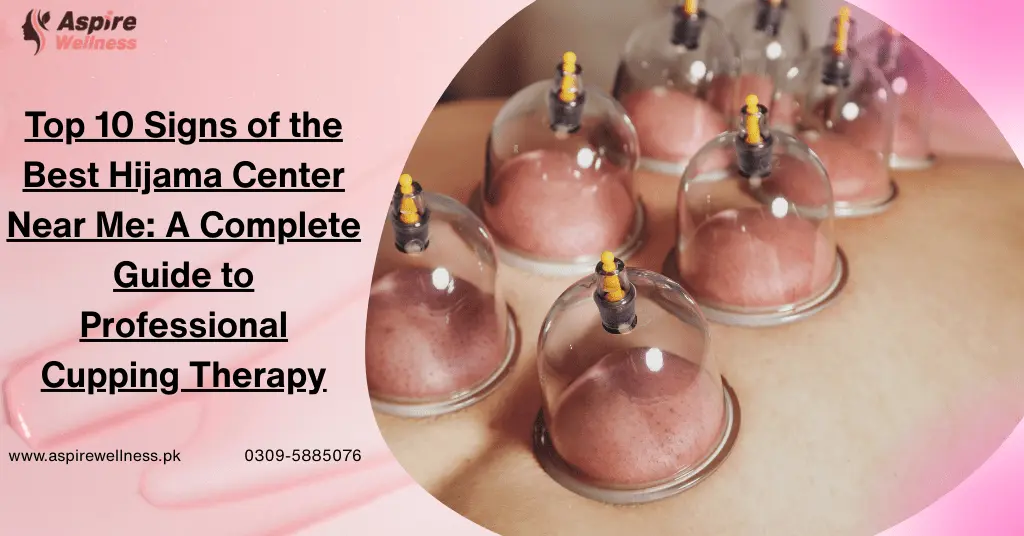
Cupping therapy, also called Hijama, is a natural healing technique in which cups are applied to the skin to create suction. This suction helps draw out toxins, improve blood circulation, and stimulate the body’s self-healing mechanisms. Unlike medications that only mask symptoms, cupping addresses the root causes of pain, inflammation, and fatigue.

Why DHA Karachi Residents Are Turning to Cupping Therapy

In busy neighborhoods like DHA Phase 2 and Clifton, residents deal with stress, long work hours, and lifestyle-related ailments. Many are now opting for professional cupping therapy in DHA Karachi to restore balance naturally.

Key Benefits:

  • Pain Relief: Eases back pain, shoulder stiffness, neck tension, and migraines.

  • Detoxification: Removes stagnant blood and toxins.

  • Stress & Anxiety Relief: Calms the nervous system and improves sleep.

  • Enhanced Circulation & Energy: Boosts oxygen flow to tissues and aids recovery.

  • Skin & Beauty Benefits: Facial cupping reduces acne, dullness, and promotes natural glow.

Whether you’re an athlete looking for sports cupping therapy DHA Karachi or seeking stress relief, cupping therapy offers customized benefits for every lifestyle.


2. How Cupping Therapy Works: The Science Behind the Suction

Many wonder: “How can suction on the skin improve my health?

When cups are applied:

  1. Suction draws blood to the surface, stimulating circulation and oxygen delivery.

  2. Toxin release occurs, aiding natural detoxification.

  3. Healing response activation reduces inflammation and promotes relaxation.

Cupping Techniques in DHA Karachi

  • Dry Cupping: Suction only, ideal for muscle soreness, stress relief, and sports recovery.

  • Wet Cupping (Hijama): Small incisions allow removal of stagnant blood and toxins — great for detox, hormonal balance, and chronic pain.

  • Fire Cupping: Heat creates suction, targeting deep tissues — perfect for arthritis and joint stiffness.

  • Facial Cupping: Gentle suction enhances blood flow for skin rejuvenation and anti-aging.

Step-by-Step Process

  1. Consultation: Health goals and medical history discussed.

  2. Preparation: Skin is cleaned and disinfected.

  3. Suction Application: Cups are placed on targeted areas.

  4. Incision (Wet Cupping only): Small, controlled cuts remove toxins.

  5. Second Suction: Enhances circulation and detoxification.

  6. Aftercare: Healing oils and antiseptic care applied.

Sessions typically last 30–45 minutes, and clients often describe the experience as relaxing and rejuvenating. Certified clinics in DHA ensure sterile conditions and professional supervision for safe and effective therapy.


3. Different Types of Cupping Therapy and How to Choose the Right One

Not all cupping therapies are the same — each serves a unique purpose.

1. Wet Cupping (Hijama)

  • Removes stagnant blood and toxins.

  • Ideal for detox, chronic pain, fatigue, and hormonal balance.

2. Dry Cupping

  • Suction without incisions for muscle relaxation and stress relief.

3. Fire Cupping

  • Heat-based suction for deep tissue relaxation.

4. Facial Cupping

  • Enhances skin circulation, reduces acne, and promotes anti-aging.

5. Massage Cupping

  • Combines cupping and massage to boost lymphatic drainage and relieve tension.

Choosing the Right Therapy:

  • Identify your goal: pain relief, detox, beauty, or relaxation.

  • Consult a certified therapist in DHA.

  • Beginners may start with dry or facial cupping, while advanced clients can try wet or fire cupping.


4. Best Cupping Centers and Certified Therapists in DHA Karachi

Finding a professional cupping therapist is key to safety and effectiveness. Look for:

  • Licensed and hygienic clinics

  • Certified male and female therapists

  • Use of medical-grade, sterile cups

  • Positive client testimonials

Top Choice: Aspire Wellness DHA Karachi

  • Offers authentic cupping therapy with male and female therapists.

  • Specializes in detox, facial, pain relief, and sports cupping.

  • Follows Prophetic and modern clinical approaches.


5. What to Expect After a Cupping Session

After a session:

  • Mild fatigue or relaxation is normal

  • Drink plenty of water

  • Avoid heavy meals and caffeine for 24 hours

  • Refrain from intense exercise for 1–2 days

  • Apply healing oils to treated areas

Most clients report better sleep, reduced pain, improved digestion, and enhanced energy after one or two sessions. Chronic conditions benefit from regular sessions every 3–4 months.


6. Why Aspire Wellness is the Best Choice for Cupping Therapy in DHA Karachi

  • Experienced male and female therapists

  • Safe, sterile, and relaxing environment

  • Personalized cupping plans for pain, detox, and beauty

  • Convenient DHA location

  • Combines Prophetic methods with modern hygiene and comfort

Whether for back pain, detox, sports recovery, or glowing skin, Aspire Wellness provides a professional, result-oriented experience.


Final Thoughts

Cupping therapy in DHA Karachi is no longer just an ancient practice — it’s a science-backed, holistic wellness solution. From detoxification to pain relief, stress management, and skin rejuvenation, it offers a natural path to better health.

For those searching for “cupping therapy DHA Karachi” or looking to try Prophetic cupping therapy under expert supervision, Aspire Wellness is the ultimate destination where tradition meets modern wellness, ensuring safety, comfort, and real results.