Home Health Care Service

Physiotherapy Clinic Near Me

Most people believe that physiotherapy is only for serious injuries or post-surgery rehab—but that’s far from the truth. Whether you’re dealing with chronic pain, recovering from a sports injury, or just want to move better and live pain-free, finding a trusted physiotherapy clinic near me can be a life-changing decision. And today’s physiotherapy services go far beyond what you might expect.

This guide will walk you through everything—from choosing a top-rated physio to discovering advanced treatments and even in-home physiotherapy options.

Let’s dive in.


What Exactly Is a Physiotherapy Clinic & Why It Matters

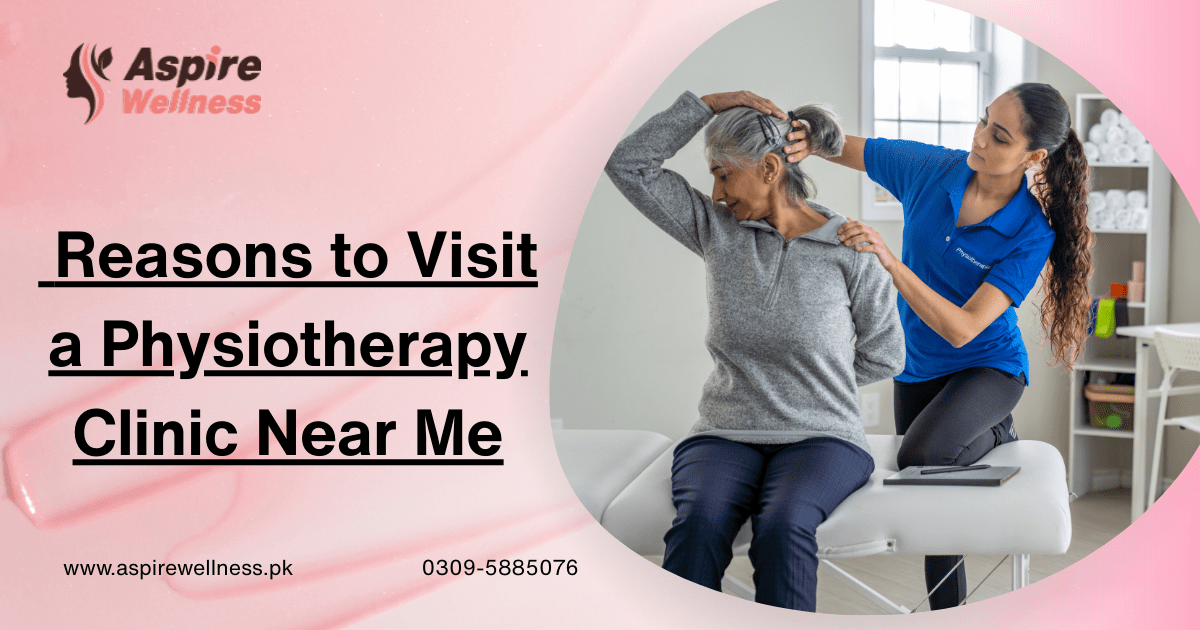
When you search for a physiotherapy clinic near me, you’re not just looking for pain relief. You’re looking for a professional facility with licensed physiotherapists who help improve your mobility, reduce pain, and prevent injuries—whether you’re recovering from surgery, sports injury, or managing a chronic condition.

Services You Can Expect at a Top Physiotherapy Clinic:

  • Manual therapy (hands-on treatment)

  • Personalized exercise programs

  • Dry needling and electrotherapy

  • Postural correction

  • Pain management and rehab support

So the next time you’re thinking, “Do I really need a physio near me?”—remember, it’s not just about pain relief, it’s about getting back to living fully and actively.


Need Urgent Help? Find a Physiotherapy Clinic Near Me Open Today

Injury and pain don’t wait. Whether it’s a pulled muscle, sudden back spasm, or post-op discomfort, waiting days for an appointment isn’t always an option. That’s why so many people search for physiotherapy clinic near me open today or walk-in physiotherapy near me when they need immediate care.

Why Same-Day Physiotherapy Is a Game-Changer:

  • Reduces swelling and inflammation early

  • Prevents worsening of injuries

  • Provides faster relief

  • Gets you back on your feet sooner

Quick Tips to Find a Clinic Open Now:

  • Use terms like “physio near me open now” or “urgent physiotherapy near me”

  • Check Google Business listings for real-time hours

  • Look for clinics offering weekend or evening appointments

Some of the best local physiotherapy clinics offer walk-ins or emergency care—even outside regular business hours.


Get Back in the Game – Physiotherapist Near Me for Sports Injury Recovery

Sports injuries need more than just rest and ice. Whether you’re a runner, gym-goer, or competitive athlete, having a physiotherapist near me for sports injury recovery can help you heal smarter—not just faster.

Common Sports Injuries Treated by Physiotherapists:

  • Muscle strains and sprains

  • Ligament tears

  • Runner’s knee

  • Tennis/golfer’s elbow

  • Shoulder impingement

  • Rotator cuff injuries

What You Can Expect from a Sports Physiotherapy Clinic:

  • Sports-specific rehab exercises

  • Functional movement training

  • Kinesiology taping

  • Injury prevention plans

  • Strength and flexibility sessions

Use search terms like “sports rehab center near me” or “sports physio near me” to find a clinic experienced in athletic recovery.


Can’t Travel? Consider a Home Visit Physiotherapy Near Me

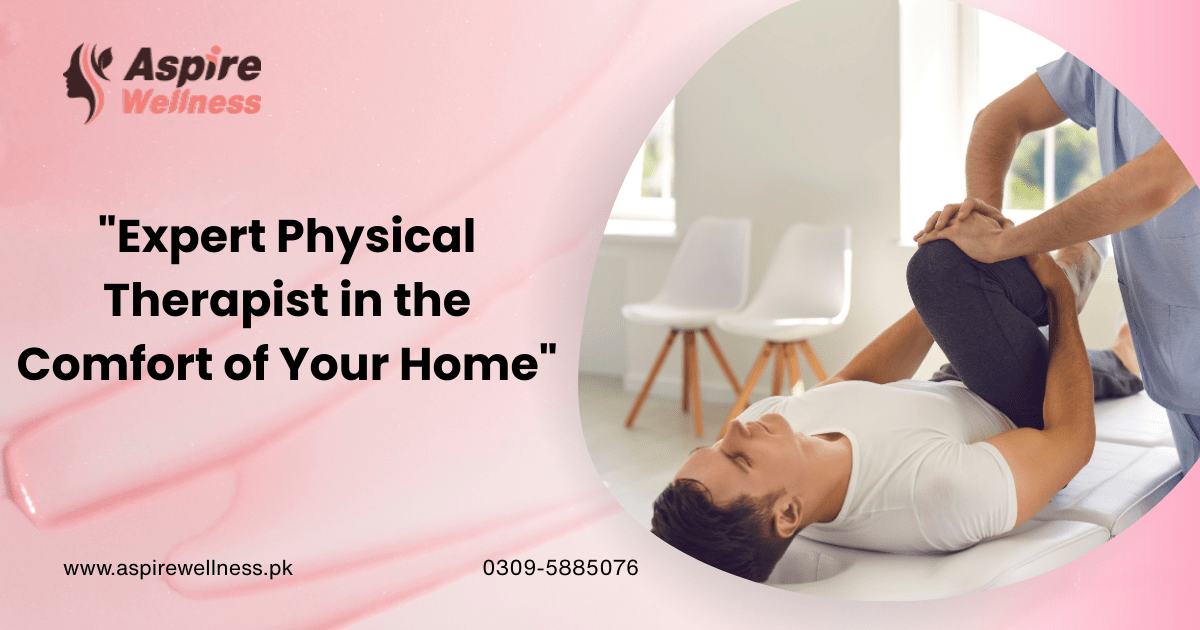
Think you can’t get physiotherapy because you can’t leave your house? Think again. With the growing demand for accessibility, home visit physiotherapy near me is becoming a popular and convenient option—especially for seniors, post-op patients, or busy professionals.

Who Benefits from Mobile Physiotherapy?

  • Elderly with limited mobility

  • Post-surgery patients recovering at home

  • Chronic pain sufferers

  • Busy individuals needing flexible scheduling

What Happens During a Home Physiotherapy Session?

  • Full physical assessment

  • Tailored home exercise programs

  • Hands-on treatment (yes, right in your living room)

  • Pain management techniques

  • Equipment brought by the physio

Look for mobile physiotherapy services near me or in-home physiotherapy near me to find options that bring recovery to your doorstep.


Advanced Care Options – Physiotherapy Techniques Near Me That Actually Work

Gone are the days when physio just meant stretches and hot packs. Today’s top physiotherapy clinics near me use advanced tools and techniques that deliver faster and longer-lasting results.

Top Modern Physio Techniques:

  • Shockwave therapy – for tendon issues like plantar fasciitis

  • Dry needling – for deep muscle trigger points

  • Electrotherapy – for pain relief and healing

  • Manual therapy – for spine and joint adjustments

  • Cupping – for blood flow and healing (where available)

Custom-Tailored Treatments = Better Recovery

A skilled physiotherapist nearby will never give you a cookie-cutter plan. Instead, they build a custom physiotherapy plan near me tailored to your body, condition, and goals.

Always search for functional movement therapy near me or “evidence-based physiotherapy near me” when looking for real results.


How to Choose the Top-Rated Physiotherapy Clinic in [Your City]

With dozens of clinics claiming to be “the best,” how do you choose the right one? Here’s what to look for when searching “top physiotherapy clinic near me” or “best physio clinic in [Your City]”:

Reputation & Reviews:

  • Check Google ratings (4.5 stars and above is ideal)

  • Read testimonials for quality of care and results

  • Look for local awards or clinic credentials

Staff & Services:

  • Are the physiotherapists licensed and experienced?

  • Do they specialize in your condition?

  • Is the clinic clean, modern, and welcoming?

Flexibility & Access:

  • Do they offer walk-in or same-day appointments?

  • Is there parking or wheelchair access?

  • Are they easy to reach by phone or online?

Use keywords like “recommended physiotherapy clinic near me” or “leading physio clinic [Your Area]” to narrow your search.


Ready to Start Your Recovery? Find the Best Physiotherapy Clinic Near You Today

Your health isn’t something to put off. Whether you’re recovering from injury, managing chronic pain, or just want to feel better in your body, the right physiotherapy team can change your life.

Here’s What to Do Next:

  • Search “physiotherapy clinic near me” right now

  • Look for great reviews, expert staff, and modern treatment options

  • Book a consultation or trial session

Don’t wait for the pain to get worse.
Don’t settle for outdated or rushed care.
Take the first step to better health—today.


Final Thoughts

Finding a great physiotherapy clinic near me is no longer just about convenience—it’s about finding the right experts, at the right time, offering the right care. Whether you need advanced treatment, home visits, or specialized sports rehab, the perfect solution is closer than you think.

Take action now. Your body—and future self—will thank you.

Best Aesthetic Clinic in Karachi

Best Aesthetic Clinic Karachi

Let’s bust a myth before we begin — the “best aesthetic clinic” isn’t just about fancy interiors or celebrity endorsements. In Karachi, where the options are endless, the real deal lies in personalized care, qualified professionals, advanced treatments, and long-lasting results — not just viral Instagram content.

So, if you’ve been Googling “best aesthetic clinic Karachi” hoping to transform your skin, boost your confidence, or simply rejuvenate your look, you’re in the right place.

This ultimate guide will walk you through everything you need to know best aesthetic clinic karachi — from top-rated treatments to how to choose the right clinic, expert tips, and what truly separates the best from the rest.


✨ 1. Why Karachi is Becoming the Hub for Aesthetic & Cosmetic Treatments

Karachi’s skincare scene has gone through a major glow-up. No longer reserved for celebrities or the elite, aesthetic treatments have become accessible, effective, and even preventative for men and women of all ages.

What’s Driving the Boom?

  • Increased awareness about non-invasive beauty treatments

  • Rise in skin issues like acne, pigmentation, and premature aging due to pollution & stress

  • More clinics offering affordable cosmetic procedures in Karachi

  • Shift in mindset: people now see skincare as self-care, not vanity

From working professionals to brides-to-be, students, and even men dealing with hair loss or aging — everyone wants a skin reset that looks natural but makes a difference.


📍 2. What Makes a Clinic the “Best” Aesthetic Clinic in Karachi?

Let’s face it — typing best aesthetic skin clinic in Karachi” into Google gives you a long list. But how do you separate the real pros from those just riding the social media wave?

Here’s what the truly best clinics offer:

✅ 1. Qualified, Experienced Doctors

The backbone of any aesthetic clinic is its team of dermatologists, cosmetic surgeons, and certified aestheticians. Always look for licensed professionals, not just beauty technicians.

✅ 2. FDA-Approved Equipment & Products

The best clinics invest in high-end, medical-grade lasers, Botox, fillers, and PRP kits that are safe, effective, and tailored to Pakistani skin types.

✅ 3. Personalized Consultation & Custom Plans

No skin is the same. The top-rated clinics offer tailored skin assessments, ensuring treatments match your goals and skin history — not just trends.

✅ 4. Transparent Pricing & Aftercare Support

A great clinic tells you exactly what you’re getting, how much it’ll cost, and offers aftercare tips and follow-ups for consistent results.


💉 3. Best Aesthetic Treatments Offered by Clinics in Karachi

Here’s a breakdown of the most popular and effective procedures you’ll find at the top aesthetic clinics in Karachi — each one designed to target different skin concerns, safely and effectively.

💉 Botox & Fillers – Youthful Results Without Surgery

Gone are the days when surgery was the only option to look younger. Today, Botox and dermal fillers offer natural results in just 20-30 minutes — no scalpel needed.

  • Smooths forehead lines, crow’s feet, and frown lines

  • Adds volume to cheeks, lips, and jawline

  • Quick, pain-free, and no recovery time


💧 HydraFacial – The Instant Glow Everyone’s Talking About

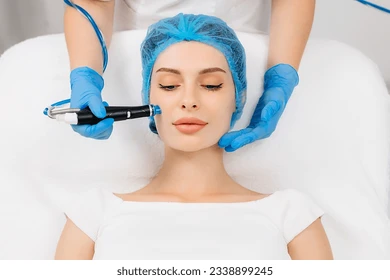
If your skin feels dull or dehydrated, a HydraFacial is your new BFF. It deeply cleanses, exfoliates, and hydrates — all in one.

  • Removes dead skin and unclogs pores

  • Infuses antioxidant-rich serums

  • Gives immediate, radiant results


🧬 Microneedling & Acne Scar Removal

Tired of acne scars or uneven skin texture? Microneedling with PRP (vampire facial) and laser treatments can dramatically improve skin over a few sessions.

  • Boosts collagen for scar healing

  • Reduces pigmentation and stretch marks

  • Works on all skin tones


⏳ Non-Surgical Facelift & Skin Tightening

Want to lift and tighten your skin without going under the knife? You can now get non-surgical facelifts using:

  • HIFU (High-Intensity Focused Ultrasound)

  • Radiofrequency Skin Tightening

  • Thread Lifts (PDO Threads)

Perfect for the 30+ age group seeking natural rejuvenation without surgery.


🧠 4. How to Choose the Right Aesthetic Clinic in Karachi for Your Needs

Even if a clinic sounds good online, here’s how to tell if it’s right for you:

✔ Check the Doctor’s Credentials

Look for certified cosmetic doctors in Karachi with verified experience in dermatology or aesthetic medicine.

✔ Read Google & Social Media Reviews

Check real client stories, before-after photos, and whether the clinic responds professionally to reviews.

✔ Prioritize Personalized Consultations

Avoid clinics that push cookie-cutter packages. The best ones will assess your skin type, goals, and lifestyle before recommending a plan.

✔ Ask About Technology & Safety

Great clinics are proud to share details about the lasers, serums, or PRP kits they use — and whether they’re FDA-approved.


🔐 5. Expert Tips to Maximize Your Treatment Results

Getting a facial or laser done is half the journey. Your post-treatment care determines how long those results last.

📌 1. Follow Post-Treatment Instructions

Don’t skip the do’s and don’ts your provider gives. It affects healing and final results.

📌 2. Invest in Medical-Grade Skincare

Use recommended cleansers, antioxidants, and always wear sunscreen — even indoors!

📌 3. Don’t Skip Maintenance Sessions

Most treatments need a touch-up every 3–6 months. Clinics often offer loyalty plans or combo deals.


✅ Conclusion: Your Journey to Confidence Starts Here

Choosing the best aesthetic clinic in Karachi isn’t about who has the flashiest Instagram — it’s about trust, expertise, and real results. Whether you’re targeting wrinkles, acne scars, pigmentation, or just want a glow-up — the right clinic will guide you every step of the way.

✨ You deserve to look and feel your best — and now, you know exactly how to make it happen.

Everything You Need to Know About HydraFacial A Complete Guide to Glowing Skin

Everything You Need to Know About HydraFacial Near Me: A Complete Guide to Glowing Skin

Introduction: Debunking the HydraFacial Myths

When it comes to facial treatments near me, HydraFacial is the buzzword you’re probably hearing everywhere. You might have seen glowing testimonials or perfect skin on social media, but is it too good to be true? Is a HydraFacial really the miracle treatment it’s claimed to be?

Let’s clear the air: HydraFacial is not some overly-hyped, temporary fix for skin problems. It’s a scientifically-backed, high-tech facial treatment that targets skin concerns with real, visible results. The treatment combines exfoliation, hydration, and extraction, giving you glowing, radiant skin—all without downtime. It’s not just another facial—it’s a game-changer in skincare.

But how do you find the best HydraFacial provider near you? That’s what this guide is all about: helping you understand the ins and outs of HydraFacial and how to find a qualified clinic nearby.

1. What Is HydraFacial and How Does It Work?

HydraFacial: The Basics

HydraFacial  Everything You Need to Know About HydraFacial Near Me: A Complete Guide to Glowing Skin is a non-invasive facial treatment that delivers immediate results without any downtime. The procedure uses a unique device to exfoliate, extract, and hydrate your skin in a three-step process, making it a powerful treatment for all skin types. Whether you’re dealing with acne, dry skin, or fine lines, HydraFacial offers personalized solutions.

The process includes:

  • Exfoliation: Removes dead skin cells to reveal fresh skin.

  • Extraction: Uses vacuum technology to clean out pores without pain.

  • Hydration: Infuses your skin with antioxidants, peptides, and hyaluronic acid to hydrate and nourish.

Why Choose HydraFacial Near You?

When you search for “HydraFacial near me,” you’re looking for the best local providers who offer this high-tech treatment. A certified HydraFacial provider near you can tailor the treatment to your skin needs, providing customized solutions that deliver noticeable results in one session.

The best part? HydraFacial is suitable for all skin types, even the most sensitive skin, so if you’re looking for a safe and effective treatment, it’s a perfect option.

2. The Benefits of HydraFacial Near Me

Instant Results with No Downtime

One of the biggest draws of HydraFacial is its instant results. After just one session, your skin will look brighter, smoother, and more hydrated. You won’t need to wait for days to see a difference—HydraFacial gives you a glowing complexion right away. And there’s no downtime involved, which means you can go about your day without any redness or peeling.

Target Multiple Skin Concerns

Whether you’re dealing with acne, fine lines, or sunspots, can address multiple skin concerns in one go. This is why it’s a popular treatment for those seeking a non-invasive way to improve skin texture, reduce the appearance of pores, and boost overall skin health.

Customizable Treatments

No two faces are the same, and your skin concerns will vary. That’s why HydraFacial can be customized with various serums and boosters depending on your needs. From anti-aging to acne control, you can find a HydraFacial treatment near you that targets your specific concerns.


3. How to Choose the Best HydraFacial Clinic Near You

Check Credentials & Certifications

This is non-negotiable. Make sure the spa or skin clinic is licensed and that their estheticians are trained to perform authentic HydraFacial treatments using FDA-approved machines. Always look for a certified HydraFacial provider near me.

Read Real Client Reviews

If you’re searching for “top-rated hydrafacial clinic near me”, customer reviews can tell you a lot about the experience and results you can expect. Look for feedback that mentions satisfied clients, lasting results, and personalized care.

Ask for Before & After Photos

A reputable clinic will be happy to show you before-and-after photos of their previous clients. If they can provide examples of how their treatments have improved skin texture, tone, and clarity, it’s a good sign that you’re booking with a skilled provider.

Schedule a Consultation First

Many clinics offer consultations before you commit to a treatment. This is your chance to ask questions, discuss your skin concerns, and ensure the clinic offers customized treatments tailored to your needs.

Don’t Be Lured by “Too Cheap to Be True” Deals

While affordable options are available, be cautious of extreme discounts that seem too good to be true. If the price is much lower than others in your area, it might indicate lower-quality machines or a less experienced provider. Opt for quality over price—a great HydraFacial clinic near me should offer excellent value without compromising results.


4. What to Expect During Your First HydraFacial Appointment

Quick Consultation & Skin Assessment

Your first appointment typically starts with a consultation. During this brief discussion, your esthetician will assess your skin type, discuss any concerns you have, and choose the right serum for your treatment.

Deep Cleanse & Exfoliation

Once you’re comfortable, your esthetician will begin by cleansing your skin to remove any dirt, oil, or makeup. This is followed by gentle exfoliation to get rid of dead skin cells, leaving your skin looking fresh and glowing.

Extraction & Hydration

The vacuum suction used in the extraction process removes debris from your pores without any pain or irritation. After that, your skin is hydrated with serums that target your specific needs, whether it’s anti-aging, acne prevention, or skin hydration.

Post-Treatment Glow

Once the treatment is complete, you’ll immediately notice a smoother texture and brighter complexion. You can head out and resume your day—no downtime required!


5. Aftercare Tips and How to Maintain Your HydraFacial Results

Avoid Sun Exposure and Use SPF

Your skin will be more sensitive after a treatment, so it’s essential to protect it from the sun. Apply sunscreen daily, especially in the first 48 hours after treatment.

Skip Makeup for 24 Hours

While It leaves your skin looking radiant, avoid wearing makeup for at least 24 hours to let your skin breathe and absorb the nutrients it just received.

Stick to Gentle Skincare for a Few Days

For the next few days, use mild, hydrating products and avoid harsh exfoliants or active ingredients like retinol.

Schedule Regular HydraFacial Sessions

To maintain healthy, glowing skin, consider scheduling HydraFacial treatments every 4–6 weeks. With regular care, you’ll see long-term improvement in skin texture, tone, and hydration.


6. Frequently Asked Questions About HydraFacial Near Me

Is HydraFacial safe for sensitive skin?

Yes, It is gentle enough for even the most sensitive skin. The treatment can be customized to address specific concerns while being non-irritating.

How long do HydraFacial results last?

Results typically last 5 to 7 days, but with regular treatments, you can enjoy long-term benefits like smoother, brighter skin.

Is there any downtime after a HydraFacial?

No, there’s no downtime! You can go back to your daily routine right after your treatment, which makes a convenient option for busy schedules.

Can I combine HydraFacial with other treatments?

Yes! Many clinics offer add-ons like LED therapy or lymphatic drainage to complement your treatment.

How much does a HydraFacial cost?

Treatments generally range from $150 to $300 per session, depending on your location and any additional treatments included.


Conclusion: Ready for Radiant Skin? Your Best HydraFacial Near You Is Just a Click Away

Now that you know what is all about, how to find the best provider near you, and what to expect from the treatment, it’s time to take the next step. Whether you want to smooth out fine lines, hydrate dry skin, or refresh your complexion, a HydraFacial near you can deliver the results you’re after.

Don’t wait for perfect skin to happen—make it happen. Book your appointment today and get the glowing, healthy skin you deserve!


How physical therapy helps with back pain

Understanding the causes of back pain and how physiotherapy can help?

Back pain is one of the most common reasons people seek medical care or take time off work. It disrupts daily activities and can range from minor discomfort to debilitating pain. While it may seem like a simple issue, back pain can stem from numerous causes. Understanding these causes is the first step toward effective treatment.

Fortunately, a physical therapy program offers a holistic approach to managing and relieving back problems. In this article, we’ll explore the various causes of back pain, their symptoms, and how physiotherapy can help you regain your strength, mobility, and a pain-free lifestyle.


What Causes Back Pain?

Understanding the causes of back pain and how physiotherapy can help? it can be triggered by several factors, most commonly related to lifestyle habits, poor posture, injuries, or underlying medical conditions. The most frequent causes include:


1. Poor Posture

Maintaining proper posture is crucial for overall health, yet many people unknowingly develop bad postural habits that lead to significant back pain.

Poor posture refers to any body position that places unnecessary strain on muscles, ligaments, and the spine. Common examples include slouching while sitting, rounding the shoulders, or leaning forward when standing or walking.

This misalignment increases pressure on the spine, disrupting its natural curve and compressing vertebrae. Over time, this can result in:

  • Pinched nerves
  • Sciatica
  • Disc bulge or herniation
  • Spinal conditions like spondylosis or spondylolisthesis

Poor posture while sitting, standing, sleeping, or even exercising can place constant stress on your spine, eventually leading to chronic lower pain.


2. Muscle or Ligament Strain

Straining the muscles or ligaments in the back is another common cause of pain. This may result from:

  • Lifting heavy objects improperly
  • Sudden movements
  • Sitting in the same position for prolonged periods

Muscle Strain occurs when a muscle is overstretched or torn—also known as a pulled muscle. Since back muscles are used frequently for lifting, bending, and twisting, they are more prone to such injuries.

Ligament Strain happens when a ligament—strong, fibrous tissue that connects bones—is overstretched or torn. Ligaments support your spine and maintain its alignment. Injuries to these structures can destabilize your spine and result in significant pain.

Other contributing factors include:

  • Repetitive stress from twisting or bending
  • Weak or imbalanced core muscles
  • Inadequate warm-up before physical activities

3. Herniated or Bulging Discs

Spinal discs act as cushions between the vertebrae. When a disc bulges or herniates, it can press on nearby nerves and cause intense back and leg pain—often referred to as sciatica.

  • Bulging Disc: The outer layer of the disc weakens and protrudes outward, pressing against surrounding nerves. Though the outer layer remains intact, the pressure causes inflammation and pain.
  • Herniated Disc: The inner gel-like material of the disc leaks through a tear in the outer layer and directly compresses nerves, resulting in severe pain, numbness, and weakness.

Both conditions are more likely in the lumbar spine and can cause:

  • Sharp pain in the lower back or legs
  • Muscle spasms
  • Restricted mobility
  • Risk of long-term nerve damage if left untreated

In severe cases, herniated discs may lead to cauda equina syndrome, a medical emergency that causes loss of bladder or bowel control.


4. Osteoarthritis (OA)

Osteoarthritis can affect any joint in the body, including those in the spine. It primarily targets the facet joints and intervertebral discs, leading to:

  • Cartilage degeneration
  • Bone-on-bone contact
  • Inflammation and joint stiffness

As OA progresses, the body may form bone spurs (osteophytes) to stabilize the joints. However, these can encroach on the spinal canal or nearby nerves—leading to nerve compression and pain.

In advanced stages, OA may cause spinal stenosis and reduced disc height, contributing to persistent lower pain and discomfort when walking or standing for long periods.


5. Spinal Conditions

Various spinal disorders can also lead to chronic pain, including:

  • Scoliosis: An abnormal curvature of the spine that can result in muscular imbalances and mechanical stress.
  • Spondylolisthesis: A vertebra slips forward in relation to the one below, causing instability, nerve compression, and back pain.
  • Spinal Stenosis: The narrowing of the spinal canal, which can compress nerves and cause radiating pain, numbness, or weakness.

These conditions disrupt spinal alignment, strain surrounding structures, and often require long-term management.


6. Stress and Mental Health

Emotional stress, anxiety, and depression can cause physical symptoms, particularly muscle tension in the back. Chronic stress may worsen pre-existing conditions or trigger new pain episodes by tightening muscles and reducing your ability to manage discomfort.


Common Symptoms of Back Pain

Some of the most frequent symptoms associated with back pain include:

  1. Dull, aching discomfort
  2. Sharp or stabbing sensations
  3. Pain that radiates to the legs or buttocks
  4. Stiffness or reduced flexibility
  5. Numbness or tingling
  6. Persistent or chronic pain

How Physical Therapy Can Help

Physiotherapy is a safe and effective way to treat many types of pain. A licensed physical therapist will assess your condition and develop a customized treatment plan tailored to your needs, pain levels, and goals.

Key Components of Physiotherapy for Back Pain:

  1. Heat and Cold Therapy – Reduces muscle tension and inflammation
  2. Pain Management – Techniques like TENS or ultrasound to relieve discomfort
  3. Muscle Strengthening – Builds core and back strength to support the spine
  4. Mobility and Flexibility Training – Improves range of motion and reduces stiffness
  5. Manual Therapy – Hands-on techniques to ease joint or soft tissue restrictions
  6. Ergonomics Education – Teaches safe posture and body mechanics for daily life
  7. Postural Correction – Helps you maintain proper alignment during daily activities
  8. Psychosocial Support – Addresses the mental and emotional aspects of chronic pain

When Should You See a Physiotherapist?

You should consult a physiotherapist if:

  • You’re experiencing chronic or persistent back pain
  • Pain affects your ability to sit, stand, walk, or sleep
  • You’ve recently had back surgery or suffered an injury
  • Your symptoms are not improving with rest or medication

Early physiotherapy intervention can prevent your condition from worsening and help you return to your normal activities sooner.


Conclusion

it is a complex issue with multiple potential causes—from poor posture and disc problems to stress and structural conditions like scoliosis. Understanding the underlying cause is essential for effective treatment.

Physiotherapy offers a natural, personalized, and effective approach to managing back pain. Whether you’re dealing with acute discomfort or a chronic condition, a skilled physiotherapist can help you take control of your health and move toward a pain-free life.

Don’t wait for the pain to worsen. Contact our clinic today and take the first step toward long-term relief and recovery.


How to Get Rid of Sciatica Pain Fast

How to Get Rid of Sciatica Pain Fast: Natural Remedies, Exercises, and Tips for Sciatica Relief

How to Get Rid of Sciatica Pain Fast: Natural Remedies, Exercises, and Tips for Sciatica Relief .Sciatica pain can be an incredibly frustrating condition to deal with. The sharp, shooting pain along the path of the sciatic nerve, which runs from the lower back through the hips and down the legs, often leaves people feeling helpless.

While it’s common to turn to medication for quick relief, there are natural remedies and lifestyle changes that can help provide long-lasting relief from sciatica pain.

This blog will guide you through a variety of effective strategies for managing sciatica pain. From simple exercises and stretches to natural pain relief techniques, you’ll discover ways to get rid of sciatica pain without relying on drugs or invasive treatments.


Common Myths About Sciatica Pain

Before diving into the remedies and exercises, let’s address some common myths surrounding sciatica pain. Many people mistakenly believe that sciatica is a condition that requires invasive treatments or medication.

While certain treatments may provide relief, the good news is that sciatica pain can often be managed naturally through simple changes to your daily routine, stretching, and strengthening exercises.

Sciatica is Only Caused by a Herniated Disc

One common myth is that sciatica is always caused by a herniated disc. While a herniated disc is one possible cause, there are other factors that contribute to sciatica. These can include muscle imbalances, piriformis syndrome, spinal stenosis, or even poor posture.

Surgery is the Only Solution

Many people fear that sciatica will lead to surgery, but this is rarely necessary. In fact, most people experience relief through physical therapy, exercise, and natural remedies. Surgery is typically considered a last resort after other options have been exhausted.


What is Sciatica and What Are the Symptoms?

Sciatica refers to pain that radiates along the path of the sciatic nerve, which is the longest nerve in the body. It originates in the lower back, travels through the hips, buttocks, and down each leg. Sciatica pain can vary from mild discomfort to sharp, burning, or shooting pain.

Symptoms of Sciatica Include:

  • Sharp pain in the lower back, buttocks, or legs.

  • Tingling or numbness down one leg.

  • Muscle weakness or difficulty moving one leg.

  • Pain that worsens with sitting or standing for prolonged periods.

The pain often occurs on one side of the body and may radiate down to the foot. Sciatica symptoms can last anywhere from a few days to several weeks, depending on the severity of the underlying cause.


Best Stretches and Exercises for Sciatica Nerve Pain Relief

When it comes to managing sciatica pain, many people look for quick fixes. While medication can help, incorporating stretching and strengthening exercises into your routine offers long-lasting benefits.

These stretches and exercises can help relieve pressure on the sciatic nerve, increase flexibility, reduce inflammation, and prevent future flare-ups.

In this section, we’ll explore the most effective stretches and exercises that target the areas of the body that commonly contribute to sciatica pain. These exercises are designed to improve spinal alignment, relieve tension in key muscles, and promote overall mobility.

1. Knee to Chest Stretch

The knee-to-chest stretch is a simple yet highly effective way to relieve sciatica pain. It targets the lower back and the glutes, both of which play a crucial role in sciatic nerve compression. By stretching these areas, you can reduce muscle tension and improve the mobility of your lower back.

How to do it:

  • Lie on your back with your knees bent and feet flat on the floor, ensuring your spine is neutral.

  • Slowly bring one knee toward your chest, using both hands to gently pull the knee closer. You should feel a gentle stretch in your lower back and glutes.

  • Hold the position for 20-30 seconds, keeping your back flat on the floor.

  • Slowly return to the starting position and repeat on the other side.

Why it works:
This stretch lengthens the muscles in your lower back, reducing tension in the area that often causes nerve compression. By keeping your pelvis aligned during the stretch, you also avoid putting additional pressure on the sciatic nerve, leading to relief from lower back pain.


2. Piriformis Stretch

The piriformis muscle, located deep in the buttocks, is often involved in piriformis syndrome, a common condition that mimics sciatica symptoms. When the piriformis muscle spasms or tightens, it can compress the sciatic nerve, leading to pain and tingling down the leg.

How to do it:

  • Lie on your back with your knees bent and feet flat on the floor.

  • Cross one leg over the other, so that your ankle is resting just above your opposite knee.

  • Gently pull the lower knee toward your chest using both hands, while keeping your back flat on the floor. You should feel a deep stretch in the buttocks and hip area.

  • Hold the stretch for 20-30 seconds, then slowly return to the starting position and switch legs.

Why it works:
This stretch targets the piriformis muscle, which can alleviate pressure on the sciatic nerve when it’s tight or spasming. By loosening this muscle, you reduce the chances of further irritation of the sciatic nerve, thereby offering relief from leg pain and lower back discomfort.


3. Cat-Cow Stretch (Spinal Flexion and Extension)

The Cat-Cow stretch is a dynamic movement often used in yoga for sciatica. It involves alternating between spinal flexion and extension, which helps improve mobility in the spine and reduce tension in the back and abdominal muscles.

How to do it:

  • Begin on your hands and knees in a tabletop position, with your wrists directly under your shoulders and knees under your hips.

  • Inhale deeply and drop your belly toward the floor, while lifting your chest and tailbone towards the ceiling (this is Cow Pose).

  • Exhale as you round your back, drawing your chin toward your chest, and tuck your tailbone under (this is Cat Pose).

  • Continue moving between these two positions for 5-10 rounds, breathing deeply with each movement.

Why it works:
The Cat-Cow stretch encourages flexibility in the spine, helping to alleviate nerve compression in the lower back. This can lead to a reduction in sciatica pain caused by spinal misalignment or tight muscles in the back.


4. Seated Hamstring Stretch

Hamstring tightness is often a culprit in sciatica pain, as the hamstrings attach near the lower back and influence how the muscles in this region move. Stretching the hamstrings can help release tension, improve mobility, and reduce nerve irritation.

How to do it:

  • Sit on the floor with your right leg extended straight in front of you, keeping your left leg bent so your foot is flat on the floor.

  • Inhale as you extend your arms forward, hinging at the hips to reach toward your right toes.

  • Keep your back as straight as possible as you feel the stretch in the back of your right thigh.

  • Hold for 20-30 seconds, then return to the starting position and repeat on the other leg.

Why it works:
This stretch specifically targets the hamstrings, helping to release tension that may be contributing to lower back tightness and nerve pain. Since the hamstrings play a key role in pelvic alignment, relieving this tension can help reduce sciatica symptoms.


5. Pelvic Tilt

The pelvic tilt is an effective exercise to strengthen the lower back and core muscles, which can improve posture and reduce pressure on the sciatic nerve. Strengthening these muscles helps protect against further sciatica flare-ups.

How to do it:

  • Lie on your back with your knees bent and feet flat on the floor.

  • Tighten your abdominal muscles and gently tilt your pelvis upward, pressing your lower back into the floor.

  • Hold the tilt for 5-10 seconds, then slowly lower your back back to the floor.

  • Repeat for 10-15 reps.

Why it works:
The pelvic tilt strengthens the core and lower back muscles, both of which support the spine and help reduce tension in the muscles around the sciatic nerve. It also improves spinal alignment, helping to alleviate pressure on the sciatic nerve that can trigger nerve pain.


How to Manage Sciatica Pain with Natural Remedies

Managing sciatica pain naturally is a goal for many people looking to avoid long-term reliance on medication or invasive treatments. The good news is that there are several natural remedies that can provide significant relief from sciatica pain without side effects.

In this section, we’ll explore various home remedies, lifestyle adjustments, and alternative treatments that target the root causes of sciatica pain.

1. Heat and Cold Therapy for Sciatica Pain Relief

One of the most effective natural remedies for sciatica involves using heat and cold therapy. These two therapies can help manage inflammation, reduce pain, and promote healing of the tissues surrounding the sciatic nerve.

Cold Therapy (Ice Packs):
When experiencing a flare-up of sciatica, applying cold packs can help reduce inflammation and numb the area to relieve pain. The cold helps constrict blood vessels, which reduces swelling and slows down nerve activity in the affected area.

How to use it:

  • Wrap an ice pack or frozen gel pack in a thin cloth or towel.

  • Apply it to the lower back or buttocks for 15-20 minutes at a time.

  • Repeat 2-3 times a day, especially during the first 48 hours after pain onset.

Heat Therapy (Heat Pads or Warm Compresses):
Once the acute pain and inflammation subside, heat therapy can help relax tight muscles, improve blood circulation, and promote muscle healing.

Heat works by increasing blood flow to the area, soothing spasms, and improving tissue flexibility.

How to use it:

  • Use a heating pad or warm compress on the lower back, glutes, or thighs.

  • Apply it for 20-30 minutes at a time.

  • Be cautious not to use heat if the area is still inflamed or swollen, as it could exacerbate the problem.

Why it works:
Alternating between heat and cold helps to manage sciatica pain naturally by addressing both inflammation and muscle tension, two primary causes of discomfort.

2. Anti-Inflammatory Diet for Sciatica Relief

What you eat can play a significant role in managing sciatica pain. An anti-inflammatory diet can help reduce inflammation around the sciatic nerve, easing discomfort and promoting healing. Certain foods contain compounds that naturally fight inflammation and reduce muscle and joint pain.

Foods to Include:

  • Omega-3 rich foods like salmon, mackerel, and walnuts, which have natural anti-inflammatory properties.

  • Fruits and vegetables like spinach, kale, blueberries, and cherries, which are rich in antioxidants that help combat inflammation.

  • Turmeric and ginger, which have been shown to reduce inflammation and relieve pain.

Foods to Avoid:

  • Refined sugars and processed foods, which can exacerbate inflammation.

  • Trans fats found in processed snacks and fast food, which can promote the production of pro-inflammatory compounds in the body.

  • Excessive dairy and gluten may aggravate certain individuals, particularly those with sensitivities.

Why it works:
By focusing on an anti-inflammatory diet, you can help your body better manage sciatica pain by reducing internal inflammation, which directly impacts the sciatic nerve. Foods that promote healing can also support the muscles and tissues around the affected nerve, making the pain easier to manage in the long run.


3. Mind-Body Techniques to Alleviate Sciatica

Stress and mental tension can contribute to muscle tightness and exacerbate sciatica pain. Implementing mind-body techniques like meditation, deep breathing, or mindfulness can have a powerful impact on pain relief.

  • Meditation helps calm the nervous system, reduce pain perception, and decrease stress levels.

  • Yoga incorporates movement, breathwork, and mental focus, which helps release tension from both the body and mind.

  • Deep breathing exercises, such as diaphragmatic breathing, can help reduce muscle tightness and promote relaxation, particularly in areas where sciatica pain is most prominent, like the lower back and hips.

Why it works:
Mind-body techniques help address the psychological and physical components of sciatica pain. By reducing stress and increasing relaxation, you lower the chances of muscle tension, which in turn alleviates pressure on the sciatic nerve.


4. Acupuncture and Massage Therapy for Sciatica Relief

For those seeking alternative treatments for sciatica pain, both acupuncture and massage therapy have been shown to provide significant relief. These therapies help by stimulating the body’s natural healing processes and targeting specific areas that contribute to pain.

  • Acupuncture involves inserting thin needles at specific points on the body to stimulate the nervous system and release endorphins, which are the body’s natural painkillers. It can help reduce inflammation and promote healing around the sciatic nerve.

  • Massage therapy, particularly deep tissue massage, targets tight muscles in the lower back, buttocks, and legs, reducing tension and helping to improve circulation.

Why it works:
Both therapies focus on restoring balance and circulation in the body. By stimulating nerve pathways and muscle relaxation, acupuncture and massage therapy work together to reduce muscle spasms, alleviate pain, and improve mobility in individuals suffering from sciatica.


5. Lifestyle Changes to Prevent Future Sciatica Episodes

Managing sciatica pain effectively also involves making lifestyle changes to prevent future flare-ups. Small adjustments to your daily routine can go a long way in protecting your lower back and keeping your sciatic nerve healthy.

A. Improve Your Posture

Poor posture, especially while sitting or standing for long periods, can place significant pressure on your spine and the sciatic nerve. Be mindful of your posture, particularly when sitting at a desk or driving.

Tips for Better Posture:

  • Sit with your back straight and your shoulders relaxed. Use a chair that provides adequate lumbar support.

  • Stand tall with your weight evenly distributed on both feet. Avoid slouching or leaning forward.

B. Stay Active and Move Regularly

Being sedentary for long periods can weaken the muscles in your lower back and core, which support the spine. Aim to stay active by taking frequent breaks from sitting and incorporating light exercise into your daily routine.

Simple activities to try:

  • Walking for 20-30 minutes a day to promote circulation and strengthen your back muscles.

  • Swimming or water aerobics, which are gentle on the joints but great for strengthening the back and core muscles.

C. Practice Proper Lifting Techniques

Lifting heavy objects incorrectly can strain your lower back and worsen sciatica pain. When lifting, always bend your knees and keep the object close to your body. Avoid twisting your back, as this can cause unnecessary pressure on the spine.

Why it works:
Incorporating healthy habits and proper movement techniques into your daily life reduces the risk of further stress and injury to the sciatic nerve, which can ultimately prevent future flare-ups and improve your long-term quality of life.


Conclusion: Managing Sciatica Pain Naturally

Dealing with sciatica pain can be challenging, but it is not something you need to suffer through alone. By incorporating natural remedies, exercises, and making lifestyle changes, you can manage the pain and even eliminate it over time. Whether you opt for simple stretches like the knee-to-chest stretch, utilize heat and cold therapy, or work on strengthening the muscles supporting your spine, the key is consistency and finding what works best for you.

It’s important to remember that sciatica is a condition that can often be improved with the right approach. By embracing a holistic treatment plan that includes natural remedies, regular exercise, and mind-body practices, you can effectively manage sciatica pain and return to a pain-free life.

If your symptoms persist or worsen, it’s always a good idea to consult with a healthcare professional to ensure you are following the right course of action for your specific condition.

Relieve Sciatica Pain Fast

7 Proven Ways to Relieve Sciatica Pain Fast – Simple Solutions for Instant Relief

Introduction: Understanding Sciatica Pain

Ways to Relieve Sciatica Pain Fast – Simple Solutions for Instant Relief When most people think of sciatica, they often picture a sharp pain shooting down the leg, usually from the lower back to the foot. However, contrary to popular belief, sciatica is not a condition in itself—it’s actually a symptom of an underlying issue, typically a pinched or irritated sciatic nerve.

The sciatic nerve, the largest nerve in the body, runs from the lower back down through each leg, which is why pain from sciatica can be felt anywhere along this nerve pathway.

While many believe that sciatica pain always requires a medical procedure or surgery, that’s not necessarily true. In fact, most cases of sciatica pain can be alleviated through natural treatments and simple lifestyle changes, without the need for invasive procedures.

Whether it’s a herniated disc, pinched nerve, or muscle spasms causing your discomfort, there are multiple ways to manage and even eliminate the pain. In this blog, we’ll discuss the most effective ways to relieve sciatica pain fast—many of which can be done at home.


Section 1: What Causes Sciatica?

Sciatica is more than just a back pain issue—it’s a complex condition that can stem from various underlying causes. Understanding the root cause of your sciatica pain is crucial in finding the right treatment and relief options.

Let’s take a closer look at the common causes of sciatica pain and how each one contributes to the discomfort.

1. Herniated Disc and Sciatica

A herniated disc is one of the most common culprits behind sciatica. Discs are the soft, cushion-like structures between the vertebrae in your spine, and when one of them slips or ruptures, it can press on the nearby sciatic nerve, leading to pain that radiates down the leg. In fact, a herniated disc accounts for nearly 90% of sciatica cases.

The pain can vary from a dull ache to a sharp, shooting sensation, and it may be accompanied by numbness or weakness in the leg. The good news? Many people with a herniated disc can recover with non-surgical treatments, including physical therapy, stretching, and sciatica exercises.

  • Keyword Variation: “Herniated disc and sciatica”

2. Piriformis Syndrome

Did you know that the sciatic nerve passes very close to the piriformis muscle in your buttocks? When this muscle becomes tight or spasms (a condition called piriformis syndrome), it can irritate the sciatic nerve, leading to sciatica-like pain. Though this isn’t as commonly diagnosed as other causes of sciatica, it’s still an important one to consider.

In fact, piriformis syndrome often mimics typical sciatica symptoms, causing pain, tingling, and numbness in the buttocks and legs. Stretching the piriformis muscle regularly can significantly reduce the symptoms and discomfort.

  • LSI Keyword: “Piriformis syndrome”

3. Pinched Nerve

A pinched nerve occurs when pressure is applied to one of the nerves in the lower spine, causing pain to radiate from the back down the leg. Pinched nerves can happen due to conditions such as degenerative disc disease, bone spurs, or even poor posture.

Over time, a pinched nerve can worsen, leading to chronic pain and other symptoms such as weakness and limited mobility.

Sciatica pain from a pinched nerve is often sharp and sudden, and can be aggravated by activities like sitting or standing for long periods. In these cases, chiropractic care for sciatica may offer significant relief by realigning the spine and taking pressure off the nerve.

  • Long Tail Keyword: “Pinched nerve causing sciatica pain”

  • Keyword Variation: “Sciatica chiropractic”

4. Poor Posture and Sedentary Lifestyle

Sometimes, sciatica pain can develop due to poor posture or an overall sedentary lifestyle. When you slouch while sitting or stand with improper alignment, it can place undue stress on your spine and the sciatic nerve, which over time can result in pain and discomfort.

Sitting for long periods without moving is a key contributor to sciatica, as it puts additional pressure on the lower back and nerve pathways.

Maintaining proper posture throughout the day and incorporating more back-strengthening exercises into your routine can help prevent sciatica flare-ups. A small change in how you sit, stand, and move can make a world of difference in how your body feels.

  • Keyword Variation: “Sciatica and posture”

  • LSI Keyword: “Sciatica pain when sitting”


Section 2: Top 7 Proven Ways to Relieve Sciatica Pain Fast

Now that we’ve explored the various causes of sciatica, let’s dive into some of the best ways to relieve sciatica pain fast. If you’re struggling with this painful condition, you’ll be glad to know that there are several effective solutions that can bring you much-needed relief—many of which you can implement right from home.

1. Stretching Exercises for Sciatica

One of the most effective ways to relieve sciatica pain is through targeted stretching exercises. Stretching helps to alleviate pressure on the sciatic nerve, improve flexibility, and increase blood flow to the affected areas.

For example, the hamstring stretch and piriformis stretch are both excellent for releasing tension in the lower back and legs.

Regularly performing sciatica exercises can improve mobility and reduce pain in the long term. If you’re not sure where to start, you can follow along with online tutorials or consult a physical therapist for a personalized stretching routine.

  • Long Tail Keyword: “Best exercises for sciatica pain relief at home”

  • LSI Keyword: “Stretching exercises for sciatica”

2. Sciatica Massage Techniques

Massage therapy is another powerful tool for relieving sciatica discomfort. When you experience nerve pain, particularly from sciatica, the muscles around the lower back, buttocks, and legs can become tight and tense. A deep tissue massage can help release that built-up tension, improving circulation and reducing pain.

In addition to professional massage, you can try self-massage techniques at home using a foam roller or massage ball. These tools can target specific areas where tension builds up and provide temporary relief from sciatica discomfort.

  • Keyword Variation: “Sciatica massage”

3. Chiropractic Care for Sciatica

Chiropractic care is often recommended for individuals with sciatica pain, especially those suffering from a pinched nerve or herniated disc. Chiropractors can perform spinal adjustments to align the vertebrae and relieve pressure on the sciatic nerve.

This hands-on therapy can provide fast relief and improve overall spinal health.

If you’re looking for a non-invasive way to treat sciatica, chiropractic adjustments could be an effective option for you.

  • Long Tail Keyword: “Sciatica chiropractic”

4. Over-the-Counter Pain Medications

While natural remedies can be highly effective, sometimes sciatica pain relief pills are necessary for immediate relief. Over-the-counter (OTC) medications such as ibuprofen or acetaminophen can help reduce inflammation and manage the pain.

However, it’s important to use them as directed, and never rely on painkillers as a long-term solution.

  • Keyword Variation: “Sciatica pain relief pills”

5. Yoga for Sciatica Pain

Yoga is a great way to stretch, strengthen, and align your body to relieve sciatica pain. Certain yoga poses, such as the child’s pose, downward-facing dog, and seated forward bend, can stretch the lower back and hamstrings, providing instant relief from sciatic nerve pain.

These gentle movements help improve flexibility and circulation in the affected areas.

If you’re new to yoga, consider attending a class or following along with video tutorials designed specifically for sciatica relief.

  • Long Tail Keyword: “Yoga for sciatica pain”

  • Keyword Variation: “Yoga poses for sciatica”

6. TENS Unit for Sciatica

A TENS (Transcutaneous Electrical Nerve Stimulation) unit is a small device that delivers mild electrical impulses to the skin to help block pain signals from reaching the brain. It’s a popular option for people with chronic sciatica pain who are looking for immediate relief.

Using a TENS unit can help relax muscles, reduce inflammation, and alleviate pain, making it a great tool for managing sciatica at home.

  • Long Tail Keyword: “TENS unit for sciatica”

7. Posture Correction for Sciatica

Maintaining proper posture is essential for preventing and managing sciatica. When you slouch or sit for long periods, it places unnecessary pressure on the spine and the sciatic nerve. By correcting your posture—whether you’re sitting, standing, or walking—you can reduce the risk of sciatica flare-ups and ease current discomfort.

Incorporating ergonomic adjustments in your workspace or daily routine can go a long way in relieving sciatica pain. Regular posture checks can prevent future issues from arising and help you stay pain-free.

  • Long Tail Keyword: “Best posture to avoid sciatica flare-ups”

  • Keyword Variation: “Sciatica and posture”


Section 3: Natural Remedies for Sciatica Pain Relief

While medical treatments like chiropractic care and physical therapy can be extremely effective, there’s also a growing interest in natural remedies for sciatica pain relief. For many people, turning to more holistic approaches can help manage discomfort without relying on medication or invasive procedures.

Fortunately, there are several natural ways to ease sciatica discomfort, reduce inflammation, and promote healing.

In this section, we’ll explore some of the most effective natural treatments that can provide relief and prevent future flare-ups.

1. Anti-Inflammatory Foods to Reduce Sciatica Pain

One of the easiest ways to help manage sciatica pain is by adjusting your diet. Certain foods have anti-inflammatory properties that can work wonders for reducing inflammation around the sciatic nerve. Including these foods in your daily meals can provide natural, long-term relief.

  • Turmeric: This golden spice is packed with curcumin, a compound that has powerful anti-inflammatory effects. It’s often used in traditional medicine to treat pain and inflammation, including sciatica. Adding turmeric to your meals, or drinking turmeric tea, can help ease nerve pain over time.

  • Ginger: Like turmeric, ginger is known for its anti-inflammatory benefits. Whether consumed fresh, in tea, or as a supplement, ginger can help reduce pain and improve circulation, which is key for managing sciatica pain.

  • Omega-3 Fatty Acids: Found in fatty fish like salmon, as well as flaxseeds and walnuts, omega-3 fatty acids can reduce inflammation and promote nerve health. If you don’t eat much fish, omega-3 supplements can also be an effective alternative.

Incorporating these anti-inflammatory foods into your diet can work as a long-term solution for sciatica pain relief, helping to reduce inflammation in the body, which is a major factor in sciatic nerve discomfort.

  • Long Tail Keyword: “Top foods that help reduce sciatica inflammation”

  • LSI Keyword: “Anti-inflammatory foods for sciatica”

2. Heat and Cold Therapy

One of the simplest and most effective natural remedies for sciatica pain relief is heat and cold therapy. Both treatments can be used to manage pain, inflammation, and muscle tension associated with sciatica.

  • Cold Therapy: When you first experience a sciatica flare-up, applying a cold compress or ice pack to the lower back or affected leg can help reduce inflammation and numb the pain. It’s best to use cold therapy for the first 48 hours after the pain begins, as it helps to constrict blood vessels and reduce swelling.

  • Heat Therapy: After the initial inflammation has gone down, applying heat can help relax tense muscles and promote blood flow to the affected area. A heating pad or warm bath can provide comfort and relief. Heat therapy is particularly effective if you’re dealing with muscle spasms or tightness that often accompany sciatica.

By alternating between heat and cold, you can manage the pain and accelerate the healing process. Many people find that cold therapy helps in the initial phase, while heat therapy is most beneficial in the later stages of recovery.

  • Keyword Variation: “Sciatica discomfort relief”

expert physical therapist at your home

Physical Therapy at Home: A Convenient and Effective Way to Improve Recovery and Mobility

physical therapy at home When it comes to physical therapy, many people assume that it’s something that must always be done in a clinic, with regular trips to see a therapist. However, this belief is rapidly changing. More and more patients are choosing physical therapy at home as a convenient, cost-effective, and highly effective option for their recovery needs.

If you’re like most people, you may wonder, Can physical therapy at home really be as effective as clinic-based therapy? The answer is a resounding yes. In fact, for many individuals, home-based physical therapy offers even more benefits than traditional clinic visits. It’s time to dispel the myths and dive into how physical therapy at home is becoming an increasingly popular choice for rehabilitation.

In this blog, we’ll explore what physical therapy at home involves, the numerous advantages it provides, and the wide variety of therapeutic options it offers for different conditions. Whether you are recovering from surgery, managing chronic pain, or working on improving mobility, at-home physical therapy can be customized to help you regain strength, flexibility, and independence.


What is Physical Therapy at Home?

Physical therapy at home is an in-home service where a licensed physical therapist visits your residence to provide specialized care. Instead of commuting to a clinic or therapy center, you receive personalized treatment in your home, where your therapist evaluates your condition and creates a customized rehabilitation plan tailored to your specific needs.

This approach is especially beneficial for people who may have difficulty leaving their homes due to illness, injury, or a lack of transportation. At-home physical therapy allows patients to receive high-quality care without the hassle and stress of traveling to an outpatient clinic.

During a session, the therapist will work with you to improve your strength, range of motion, balance, and flexibility through targeted exercises. These exercises may focus on particular areas of weakness or injury, and the therapist will monitor your progress, providing feedback and adjustments along the way.

But physical therapy at home isn’t just about convenience; it’s also about the personalized attention you receive. Because the therapist comes directly to your home, they can observe your day-to-day environment, including any challenges you may face in moving around your space. This allows them to tailor exercises that are suitable not only for your condition but also for your lifestyle.


Top Benefits of Physical Therapy at Home

1. Convenience and Comfort

One of the major reasons physical therapy at home is so popular is because it is incredibly convenient. Imagine receiving professional rehabilitation without the stress of traveling, parking, and fitting appointments into your already busy schedule. For many, this convenience is a game-changer.

Whether you are recovering from a surgery, managing chronic pain, or improving balance and mobility, home-based physical therapy allows you to receive expert care in the comfort of your home. You can rest, relax, and focus on your rehabilitation without the additional physical and mental strain of leaving home.

Moreover, at-home therapy provides you with privacy and peace of mind. There’s no need to worry about your surroundings in a clinical environment—your therapist works with you in a space where you feel most comfortable. This can make the recovery process less intimidating, more enjoyable, and easier to stick to over the long term.

Long Tail Keyword: “How does physical therapy at home offer convenience and comfort?”
Related Keyword: At-home therapy for mobility issues

2. Personalized Treatment Plans

Every patient is different, and so are their needs. Physical therapy at home offers the advantage of a personalized treatment plan that is specifically designed for your condition. Unlike a clinic environment where you may feel rushed or see multiple therapists, at-home physical therapy allows for a deeper focus on your individual needs.

Your therapist will evaluate your movement patterns, posture, flexibility, and strength right in your home and create an exercise regimen that targets your problem areas. Whether you are recovering from post-surgery rehabilitation, dealing with chronic pain, or managing a mobility issue, your treatment plan will be adjusted as you progress, ensuring you get the most effective care possible.

In addition to exercises, your therapist may also recommend modifications to your home, such as suggesting ergonomic furniture, installing assistive devices (e.g., grab bars, walkers), or advising on changes to your lifestyle that can aid recovery. This holistic approach to care ensures that you not only focus on the exercises but also address any lifestyle factors that may be impeding your recovery.

Long Tail Keyword: “What are the benefits of personalized home-based physical therapy?”
Related Keyword: Personalized treatment plans for at-home therapy

3. Faster Recovery

One of the most significant advantages of physical therapy at home is that it often leads to faster recovery times. Studies have shown that patients who receive therapy in the comfort of their own home tend to be more consistent and committed to their rehabilitation exercises. This consistency is key to recovery, as frequent practice is essential for strengthening muscles, improving range of motion, and restoring mobility.

Because home therapy is often more convenient and less stressful than traditional clinic visits, patients are more likely to stick to their treatment plans. Your therapist will be there to guide you through every step of the process, offering feedback and making adjustments as needed. By receiving regular, personalized care in a relaxed environment, you’re likely to experience a faster recovery from injury or surgery.

Moreover, in-home physical therapy can be scheduled at times that work best for you, rather than fitting into the clinic’s schedule. This flexibility can lead to more regular sessions and, ultimately, quicker results.

Related Keyword: Post-operative physical therapy at home
Long Tail Keyword: “Why at-home therapy is more effective for fast recovery after surgery?”

4. Cost-Effectiveness

While many people assume that physical therapy at home is more expensive than visiting a clinic, it can actually be a more cost-effective option in many cases. Think about the costs of travel, parking fees, and extra time taken off work—home-based therapy eliminates these additional expenses, saving you both time and money.

In fact, many health insurance plans now cover at-home therapy services, meaning you won’t have to worry about paying out-of-pocket for every session. Additionally, because physical therapy at home tends to require fewer appointments, patients often find that they spend less overall than they would in a clinic setting.

By cutting out transportation costs and offering fewer, more efficient sessions, home-based physical therapy can be a much more affordable alternative.

Related Keyword: Affordable physical therapy at home

5. Focus on Holistic Care

The holistic nature of physical therapy at home is another key benefit. Rather than focusing solely on exercises or rehabilitation, in-home therapy allows the therapist to address other aspects of your recovery, such as mental well-being, cognitive function, and daily living tasks.

Your therapist can evaluate how physical challenges impact your quality of life and offer solutions that go beyond traditional rehabilitation exercises. For example, if you’re struggling with anxiety about your recovery or feeling frustrated with your progress, your therapist can provide emotional support or recommend additional resources.

This more holistic approach to therapy ensures you are addressing both the physical and emotional aspects of your recovery, making the rehabilitation process smoother and more successful in the long run.

Long Tail Keyword: “How physical therapy at home can improve balance and prevent falls”


Types of Physical Therapy Available at Home

Different types of physical therapy at home cater to specific conditions, recovery goals, and age groups. Whether you’re recovering from surgery, dealing with chronic pain, or need help regaining mobility, at-home physical therapy can be tailored to meet your unique needs.

1. Physical Therapy for Mobility Issues

Mobility issues are one of the most common reasons people seek physical therapy at home. Whether it’s difficulty walking, standing, or simply moving around, loss of mobility can have a major impact on daily life. In-home physical therapy can help restore movement and independence.

A therapist will design a personalized treatment plan that targets your specific mobility challenges, such as balance problems, stiffness, or weakness. Through exercises and hands-on techniques, you will work to improve coordination, strength, and functional movement, which can reduce the risk of falls and other injuries.

For example, your therapist may recommend balance exercises or strengthening routines to improve mobility, and they can help modify your living space to make it safer.

Long Tail Keyword: “Physical therapy at home for knee pain: What to expect”

2. Post-Surgery Rehabilitation

Recovering from surgery—whether it’s a hip replacement, knee surgery, or spine surgery—can be a long, challenging process. Post-surgery rehabilitation with physical therapy at home can speed up recovery, improve muscle strength, and reduce the risk of complications.

Therapists focus on restoring your range of motion, reducing pain, and strengthening muscles to support the affected area. They may guide you through exercises aimed at improving posture, flexibility, and mobility, ensuring that you regain normal function.

Related Keyword: Post-operative physical therapy at home
Long Tail Keyword: “How physical therapy at home helps post-surgery recovery”

3. Geriatric Physical Therapy

Geriatric physical therapy is aimed at seniors who may face mobility challenges due to conditions like arthritis, osteoporosis, or balance issues. At-home physical therapy for elderly individuals focuses on improving strength, balance, and flexibility—helping seniors maintain their independence for as long as possible.

A therapist may work with a senior to improve posture, reduce the risk of falls, and increase functional movement for daily activities. Therapy is typically gentle and customized, taking into account the patient’s medical history and overall health.

Long Tail Keyword: “Benefits of physical therapy at home for elderly patients”

home visit physiotherapy
PRP Skin Rejuvenation

7 Powerful Benefits of PRP Skin Rejuvenation: How Platelet-Rich Plasma Can Transform Your Skin!

Introduction: Unlock the Secret to Youthful Skin

When it comes to skin rejuvenation, many people automatically think of Botox or fillers as the go-to solutions. However, there’s a natural, minimally invasive option that’s been gaining traction in the skincare world: PRP skin rejuvenation. Despite its growing popularity, some still believe that platelet-rich plasma (PRP) treatments are only for athletes recovering from injuries or for those seeking hair restoration. But PRP isn’t just for your joints or scalp—it’s a powerful tool in the fight against aging and skin imperfections.

PRP skin rejuvenation uses the body’s own natural healing powers to restore youthful glow, reduce wrinkles, and even out skin tone. It’s an innovative approach to skincare that’s taking the beauty industry by storm, and in this blog, we’re going to dive deep into what PRP skin rejuvenation is, how it works, and why it might be the perfect solution for you.


What is PRP Skin Rejuvenation?

Platelet-Rich Plasma (PRP) is a therapy that involves using a person’s own blood to treat various skin and hair issues. The process begins with a blood draw, which is then placed in a centrifuge. The centrifuge spins the blood, separating the plasma (which is rich in platelets) from other components like red and white blood cells. The resulting plasma is injected into the skin or applied topically after micro needling to stimulate collagen production, rejuvenate skin, and promote healing.

In the context of skin rejuvenation, PRP works wonders by harnessing the healing abilities of your blood platelets. These platelets are packed with growth factors, which can stimulate the skin’s natural healing response. As a result, PRP skin therapy can help reduce fine lines and wrinkles, improve skin texture, and encourage the production of new collagen. This makes it one of the most natural, non-invasive treatments for a glowing complexion.

You might have heard PRP referred to as the “vampire facial.” While the name might sound a little eerie, the process itself is anything but. PRP is simply a natural way to rejuvenate your skin without relying on chemicals or synthetic fillers. Instead, your body’s healing mechanisms do the hard work of restoring your skin’s youthful appearance.


How Does PRP Skin Rejuvenation Work?

The magic behind PRP skin rejuvenation lies in the process itself. Here’s a quick breakdown of how it works:

  1. Blood Draw: The first step is simple—a small amount of blood is drawn from your arm, just like any standard blood test.

  2. Centrifugation: The blood is placed in a centrifuge, which spins it at a high speed to separate the red blood cells from the plasma. What you’re left with is the platelet-rich plasma, which is the key ingredient for skin rejuvenation.

  3. Application of PRP: The PRP facial treatment is then applied to the skin either through micro needling or direct injection. In micro needling, tiny needles create microchannel in your skin, allowing the platelet-rich plasma to penetrate deeper and promote collagen production.

  4. Collagen Stimulation: Once the PRP is in the skin, the growth factors begin to work their magic. Over time, the increased collagen production helps to reduce fine lines, improve skin elasticity, and give you smoother, more youthful-looking skin.

The beauty of PRP for skin rejuvenation lies in its ability to tap into your body’s natural healing processes. Instead of relying on foreign substances or chemicals, PRP works with your body’s own resources to improve skin health. Not only does this make the treatment more natural, but it also reduces the risk of side effects or allergic reactions, as the plasma is derived from your own blood.


Key Benefits of PRP Skin Rejuvenation

If you’ve been on the hunt for a skin rejuvenation treatment that delivers natural, long-lasting results, PRP skin rejuvenation might be exactly what you need. Whether you’re aiming to fight the signs of aging, improve your skin texture, or target specific skin concerns, PRP has proven to be a game-changer. Let’s explore some of the key benefits that make platelet-rich plasma therapy an effective option for those seeking smoother, more youthful-looking skin.

1. Reduction of Wrinkles and Fine Lines

The number one reason many people turn to PRP skin rejuvenation is to combat wrinkles and fine lines—the inevitable signs of aging. As we age, our skin naturally loses collagen, which leads to sagging and the formation of wrinkles. PRP works by stimulating the body’s production of collagen, which helps to smooth out wrinkles, restore volume, and tighten the skin.

When PRP is injected into areas with fine lines and wrinkles, such as around the eyes, mouth, or forehead, it helps regenerate healthy tissue and encourages the skin to renew itself. The results are natural and subtle, providing a smoother, more youthful appearance without the need for invasive procedures like facelifts or Botox.

2. Improved Skin Texture and Tone

Another fantastic benefit of PRP skin therapy is its ability to enhance overall skin texture and tone. Whether you have uneven skin texture due to acne scars, sun damage, or simply the natural aging process, PRP works wonders in making your skin appear smoother and more radiant.

The PRP treatment triggers the body’s healing response, helping to create new, healthier skin cells. Over time, this results in a more even skin tone, with fewer blemishes, dark spots, or patches. It also helps to reduce skin discoloration and hyperpigmentation, giving your complexion a healthy, uniform glow.

3. Minimizes Acne Scars and Hyperpigmentation

If you’ve struggled with acne scars or hyperpigmentation, PRP could be your skin’s new best friend. Acne scars, particularly the deep ones, can be challenging to treat with topical creams or over-the-counter solutions. PRP offers a natural and effective way to minimize their appearance.

When PRP is applied to areas with acne scars, it helps stimulate collagen production and accelerates skin repair, smoothing out the skin surface and reducing scar visibility. Additionally, PRP therapy can address the dark spots left by acne, helping to fade the pigmentation and leave your skin with a more balanced tone.

PRP is a powerful alternative to harsher treatments like chemical peels or laser therapy. It works gently, with minimal risk of irritation or side effects, making it ideal for people with sensitive skin.

4. Skin Firmness and Elasticity Boost

With age, skin begins to lose its firmness and elasticity, which contributes to sagging and drooping. One of the incredible benefits of PRP skin rejuvenation is its ability to restore skin firmness and elasticity.

By stimulating collagen production, PRP works to rebuild the structural support of the skin, making it feel firmer and more lifted. This can be especially beneficial in areas prone to sagging, like the cheeks, jawline, and under-eye area. The result? A rejuvenated, youthful appearance without the need for invasive surgery or fillers.

5. Collagen Production for a Youthful Glow

At the core of PRP skin rejuvenation is its ability to promote collagen production. Collagen is the protein responsible for keeping our skin firm, plump, and youthful. As we age, collagen production naturally slows down, leading to thinner, more fragile skin. PRP stimulates the production of new collagen fibers, which not only restores volume but also enhances skin texture and smoothness.

The result is that your skin begins to glow, as though it’s been revitalized from the inside out. For those looking to regain that youthful radiance, PRP skin therapy is an excellent way to achieve it naturally and without relying on harsh chemicals or synthetic products.


How Long Does PRP Skin Rejuvenation Take to Show Results?

One of the most common questions people ask when considering PRP skin rejuvenation is, “How soon will I see results?” It’s understandable to be eager to see the effects of your treatment, especially when you’re investing in a procedure that promises smoother, more youthful skin.

Initial Results

After your PRP skin treatment, you may notice some immediate improvements. This can include a slight glow to your skin or a subtle smoothing of fine lines. However, these early signs are typically temporary and are mainly due to the initial effects of the treatment, like increased blood circulation.

Full Results Timeline

To truly see the full benefits of PRP rejuvenation, you’ll need to be patient. Collagen production is a slow process, and it can take anywhere from 3 to 4 weeks for your skin to begin showing more noticeable improvements.

Generally, after about 3 months, the effects of PRP skin rejuvenation will be fully visible. By this time, the collagen in your skin will have started to regenerate, and you’ll see a noticeable reduction in fine lines, wrinkles, and uneven skin tone. For more stubborn concerns like acne scars or hyperpigmentation, it may take a few additional treatments to achieve the best possible outcome.


Safety, Side Effects, and Risks of PRP Skin Rejuvenation

As with any skincare treatment, it’s important to understand the safety, potential side effects, and risks of PRP skin rejuvenation. Fortunately, one of the main selling points of PRP therapy is its natural and non-invasive nature. Since it uses your body’s own blood, the risk of allergic reactions or serious side effects is significantly lower than with other treatments that involve foreign substances.

Safety

Because PRP uses your blood, it’s considered a safe treatment for most people. There’s no risk of rejection or allergic reaction since the plasma used for the treatment is your own. It’s also free from synthetic chemicals, which makes it an excellent option for those with sensitive skin.

Common Side Effects

While PRP is generally very safe, like any procedure, there are some temporary side effects that might occur:

  • Redness and swelling at the injection site (typically resolves within a few hours to a day)

  • Bruising in the treated area (more common in areas where the skin is thinner)

  • Slight irritation or a feeling of tightness in the treated area

  • Mild itching or dryness (which can be alleviated with moisturizing)

Serious Risks

Serious risks associated with PRP skin rejuvenation are rare but can occur if the procedure is done improperly. To minimize the chances of complications, always ensure you are working with a qualified and experienced practitioner. If you have any specific health concerns or conditions (such as blood disorders), consult with your doctor beforehand to ensure PRP is safe for you.


Conclusion: Is PRP Skin Rejuvenation Worth the Investment?

In conclusion, PRP skin rejuvenation is an effective and natural treatment option for anyone looking to reduce the signs of aging, improve skin texture, or address specific skin concerns like acne scars or hyperpigmentation. With minimal downtime, a low risk of side effects, and a range of impressive benefits, PRP has quickly become a popular choice in the world of non-invasive skin rejuvenation.

While the cost of PRP skin rejuvenation may seem high initially, the long-lasting results and natural benefits often outweigh the price tag. Additionally, with the right practitioner and a little patience, you’ll begin to see improvements within weeks and enjoy smoother, healthier-looking skin for months to come.

If you’re considering PRP for skin rejuvenation, it’s essential to consult with a qualified professional who can guide you through the process and help you decide if it’s the right treatment for you. Keep in mind that regular treatments and proper aftercare will help you maintain your results and keep your skin looking its best for years.

Ready to give your skin the boost it deserves? PRP might be the rejuvenation solution you’ve been searching for.

PRP Skin Rejuvenation
HydraFacial treatment process

The Ultimate Guide to HydraFacial Treatment: Benefits, Process, and Results

Introduction: Busting the Myths About HydraFacial Treatment

If you’ve heard that HydraFacial treatment is just another overhyped skincare trend, it’s time to think again! While some might dismiss it as just a “glorified facial,” HydraFacial has become a go-to solution for many seeking deep skin rejuvenation, hydration, and a radiant glow.

What makes it different? Unlike traditional facials that simply exfoliate and hydrate, HydraFacial facial therapy goes deeper into the skin, addressing multiple skin concerns at once, without the downtime and discomfort often associated with more invasive treatments.

HydraFacial is not just for the rich and famous—it’s for anyone who desires clear, glowing skin with minimal effort. Whether you’re dealing with fine lines, acne scars, or just want a healthy skin boost, this treatment promises impressive results.

Let’s dive into why this skin rejuvenation treatment is gaining traction, and what you can expect from the procedure!


What is HydraFacial Treatment?

HydraFacial treatment has quickly become a favorite in the beauty and skincare world, but what exactly is it? Is it the same as a regular facial, or is there something special about it?

Overview of HydraFacial:

HydraFacial is a non-invasive skin treatment that provides deep cleansing, exfoliation, extraction, and hydration—all in one session. What sets it apart from traditional facials is its use of a patented vortex technology, which delivers a unique serum that exfoliates dead skin cells while simultaneously hydrating the skin.

It’s essentially a facial treatment with a modern twist, designed to provide an instant, visible glow without the redness or irritation that often follows more aggressive treatments like chemical peels or microdermabrasion.

This treatment is great for all skin types, even sensitive skin. From uneven skin tone to dark spots or wrinkles, HydraFacial can address a wide range of concerns. The process doesn’t just exfoliate—it hydrates the skin, leaving it looking fresh, plump, and rejuvenated.

Think of it as a deep-clean for your face, with immediate results that you can see and feel.

How HydraFacial Works:

So, what happens during a HydraFacial session? The treatment is divided into several steps that are designed to target skin concerns at different levels.

  1. Cleansing and Exfoliation:
    The first step in the HydraFacial process is a gentle cleansing of the skin, followed by exfoliation to remove dead skin cells. This process helps to unclog pores and improve skin texture, revealing fresh, younger-looking skin. It’s especially helpful for those with dull skin or fine lines.

  2. Gentle Acid Peel:
    HydraFacial uses a mild acid peel to help break down the bonds holding onto dead skin cells. This gentle peel is much less harsh than traditional chemical peels, making it ideal for sensitive skin. The result is smoother skin, with a more even tone and reduced appearance of hyperpigmentation or dark spots.

  3. Extraction:
    The extraction process uses the vortex technology to clear out any dirt, oil, or impurities from the pores. If you’re someone with acne-prone skin or large pores, this step is particularly beneficial. It helps to clean out blackheads and minimize the appearance of pores, leaving the skin feeling fresh and clean.

  4. Hydration and Nourishment:
    Finally, a nourishing serum is applied to hydrate and protect the skin. This serum is packed with antioxidants, peptides, and hydrating agents that restore moisture to the skin, leaving it looking dewy and radiant.

    The HydraFacial facial treatment uses a patented vortex infusion to push these beneficial ingredients deep into the skin, ensuring maximum absorption.

With all these steps combined, you get a facial that not only cleanses but also hydrates, rejuvenates, and protects the skin in just one session!


Key Benefits of HydraFacial Treatment

HydraFacial isn’t just a beauty treatment—it’s a game-changing skin therapy that offers numerous benefits for people of all skin types. From glowing skin to fighting the signs of aging, HydraFacial is quickly becoming a go-to choice for those looking to revamp their skincare routine.

Top HydraFacial Benefits:

  1. Instant Glowing Skin: One of the most noticeable benefits of HydraFacial is the instant glow it provides. Right after the treatment, your skin will look brighter, smoother, and more vibrant. The combination of deep cleansing and hydration makes a visible difference, leaving your face feeling fresh and rejuvenated.
    Whether you have dry skin, oily skin, or a combination of both, HydraFacial gives your skin the glow it craves.

  2. Hydration and Anti-Aging: Another standout benefit of HydraFacial is its ability to hydrate the skin deeply. If you’ve been dealing with dry skin or fine lines, the treatment can make a world of difference. The hydration step infuses your skin with moisture, helping to plump and firm it, reducing the appearance of fine lines and wrinkles.
    Many patients report noticing a reduction in visible signs of aging after just one session.

  3. Customizable for Skin Concerns: HydraFacial is highly customizable based on your skin’s needs. Whether you’re seeking acne treatment, anti-aging benefits, or even a boost in skin texture, HydraFacial can address it all.
    The serums used during the treatment can be tailored to address issues like hyperpigmentation, uneven skin tone, or dull skin. This makes it ideal for individuals with specific skin concerns.

HydraFacial for Specific Skin Concerns:

  1. HydraFacial for Acne: One of the most common reasons people choose HydraFacial is to help combat acne. The extraction process in HydraFacial helps to remove excess oil and impurities from the pores, making it an effective option for anyone struggling with acne-prone skin.
    The treatment also helps to reduce pore size, which can help prevent future breakouts. If you have acne scars, HydraFacial can also help improve the texture of your skin over time.

  2. HydraFacial for Dark Spots and Hyperpigmentation: For those struggling with dark spots or uneven skin tone, HydraFacial can make a significant difference. The gentle acid peel used during the treatment helps to lighten and brighten the skin, reducing the appearance of hyperpigmentation and promoting a more even complexion.

    If you’re looking for a treatment that targets sun spots or age spots, HydraFacial may be the perfect solution.

  3. HydraFacial for Fine Lines and Wrinkles: As we age, our skin starts to lose elasticity, resulting in fine lines and wrinkles. HydraFacial addresses this issue by delivering powerful antioxidants and peptides to help repair and rejuvenate the skin.

    The hydrating serums used during the treatment also help to plump the skin, giving it a smoother, more youthful appearance. If you’re looking for an anti-aging HydraFacial, this treatment can help restore firmness and elasticity to your skin.

HydraFacial for Different Skin Types:

  • HydraFacial for Sensitive Skin: Many people with sensitive skin wonder if HydraFacial is right for them. The good news is, HydraFacial is gentle on sensitive skin. It’s non-irritating and designed to hydrate and rejuvenate without causing redness or discomfort.

    If you’ve had trouble with other treatments in the past, HydraFacial for sensitive skin might be the perfect option for you.

  • HydraFacial for Oily Skin: For those with oily skin, HydraFacial can help reduce excess oil production while still providing necessary hydration. The treatment effectively cleanses pores and reduces shine, leaving the skin with a balanced and matte finish.


HydraFacial vs. Other Treatments

When considering skincare treatments, there are so many options out there—chemical peels, microdermabrasion, Dermaplaning, and more. Each promises smoother skin, clearer pores, and a radiant complexion. But how does HydraFacial stack up against these alternatives? Let’s dive into the comparisons between HydraFacial and some of the most popular treatments to see which one is best for your skin.

HydraFacial vs. Chemical Peel: Which Is Better for Your Skin?

  1. Chemical Peels: Chemical peels use acids to exfoliate the outer layers of the skin, promoting cell turnover and improving skin texture. While chemical peels can effectively address sun damage, fine lines, and uneven skin tone, they are often more aggressive and can leave the skin red and irritated.

    There’s also a longer recovery time, especially for deeper peels, which can be uncomfortable for some people.

  2. HydraFacial: Unlike chemical peels, HydraFacial is gentle on the skin and doesn’t cause redness or irritation. The treatment uses a mild acid peel that sloughs off dead skin cells without stripping the skin of moisture or causing significant peeling.

    This makes it a great option for those with sensitive skin, or for anyone who doesn’t want to experience downtime. HydraFacial also delivers instant results without any recovery time, leaving you with fresh, glowing skin.

HydraFacial vs. Microdermabrasion: A Gentler Alternative?

  1. Microdermabrasion: Microdermabrasion uses a mechanical device to gently sand the outer layer of skin, removing dead skin cells and improving texture. It’s effective for people looking to treat dull skin, large pores, or uneven skin tone.

    However, it can sometimes cause minor irritation or discomfort, especially for those with sensitive skin. Plus, microdermabrasion doesn’t hydrate the skin, so it may leave skin feeling a bit dry afterward.

  2. HydraFacial: On the other hand, HydraFacial incorporates hydration into the exfoliation process. It doesn’t just exfoliate; it also delivers a powerful serum that deeply hydrates and nourishes the skin.

    So, while both treatments can improve texture and tone, HydraFacial offers an added benefit of instant hydration, which is ideal for those with dry skin or those looking to restore their skin’s moisture balance.

HydraFacial vs. Dermaplaning: Which is Right for You?

  1. Dermaplaning: Dermaplaning involves using a surgical scalpel to exfoliate the skin by removing dead skin cells and peach fuzz. While this method can leave your skin feeling silky smooth, it doesn’t address deeper skin concerns like pore congestion, blackheads, or hydration.

    Dermaplaning is great for those who want immediate smoothness, but it doesn’t offer the additional benefits of skin treatment like acne or fine lines.

  2. HydraFacial: HydraFacial not only exfoliates the skin but also cleanses pores, hydrates, and infuses the skin with nourishing serums. It’s more comprehensive and addresses a wider range of skin issues, including acne, uneven tone, and signs of aging. While Dermaplaning can leave your skin smooth, HydraFacial provides a deeper, more thorough treatment.


HydraFacial vs. Other Treatments: The Verdict

While other treatments like chemical peels, microdermabrasion, and Dermaplaning each have their merits, HydraFacial stands out as a versatile, non-invasive option that delivers immediate, visible results. It’s perfect for anyone looking for a treatment that provides both deep cleansing and hydration, with little to no downtime.

HydraFacial’s unique blend of exfoliation, hydration, and nourishment makes it ideal for a wide range of skin concerns, from uneven skin tone to acne scars and wrinkles.

So, if you’re looking for a skincare treatment that’s effective, gentle, and offers visible results with no recovery time, HydraFacial is likely the best choice. Whether you’re looking to restore hydration, reduce fine lines, or simply achieve glowing skin, HydraFacial delivers on all fronts.

HydraFacial treatment process
PRP Therapy for Hair Loss

The Ultimate Guide to PRP Therapy for Hair Loss: Benefits, Process, Results, and Everything You Need to Know

1. Introduction: Why PRP Therapy is the Future of Hair Loss Treatment

When it comes to hair loss treatments, many people still believe that PRP therapy for hair loss is just another gimmick or a passing trend. After all, there are countless “miracle” solutions out there, from hair loss shampoos to pills that promise to restore hair growth overnight. However, PRP (Platelet-Rich Plasma) therapy has been gaining traction as a legitimate, scientifically-backed treatment option for hair loss, and it’s definitely more than just a passing trend.

PRP therapy for hair loss is a non-surgical procedure that harnesses your body’s natural healing processes to promote hair growth. Unlike pills or topical solutions, PRP for hair regrowth works directly with your body’s own plasma to stimulate hair follicles and encourage the growth of healthier, thicker hair.

Why is PRP Therapy Gaining Popularity?

As more people seek out effective, non-invasive treatments for hair loss, PRP therapy for thinning hair is standing out as a top contender. The beauty of PRP lies in its ability to regenerate hair follicles using the patient’s own blood—making it a natural, safer alternative to some harsher treatments like hair transplants. This non-surgical solution can help people experiencing male pattern baldness, thinning hair, and other forms of alopecia. But what makes it even more appealing is that it works for both men and women.

PRP for hair loss is a growing trend in the hair restoration industry because it offers proven results without the need for invasive surgery. The therapy not only helps with hair regrowth but can also improve hair thickness and overall scalp health. Whether you’re dealing with receding hairlines, hair thinning, or bald spots, PRP scalp treatment is showing promise as a game-changing solution.


2. What is PRP Therapy for Hair Loss?

If you’re considering PRP therapy for hair loss, you might be wondering exactly what it is and how it works. At its core, PRP therapy is a medical procedure that uses your body’s own blood components to help regenerate and promote the growth of hair. Let’s break it down step by step.

How PRP Therapy Works for Hair Loss

PRP stands for Platelet-Rich Plasma, which is a component of your blood that contains a high concentration of platelets. Platelets are responsible for healing tissues and stimulating cell growth. During the PRP hair restoration procedure, blood is drawn from your body, and the platelets are separated from the other blood components. This rich plasma is then injected directly into your scalp, specifically targeting the areas affected by hair thinning or loss.

The Science Behind PRP for Hair Regrowth

The idea behind PRP therapy for hair loss is that the growth factors in your platelets can stimulate dormant or damaged hair follicles, encouraging them to become active again. This process promotes hair follicle regeneration and improves the overall health of the scalp. As the plasma is injected into the scalp, it encourages the growth of new, thicker hair.

Studies have shown that PRP for hair thinning can increase hair density and improve the quality of hair in patients who undergo regular treatments. This is why PRP therapy for hair loss has become so popular, particularly among individuals looking for a non-invasive solution to combat hair thinning.

How Long Does PRP Therapy Take?

The PRP process is fairly quick, usually taking around 60-90 minutes in total. During the procedure, a healthcare professional will draw blood from your arm (similar to a blood test), then use a centrifuge machine to separate the platelets from the rest of the blood. Once the platelet-rich plasma is isolated, it is carefully injected into the scalp using a fine needle.

Most patients report minimal discomfort during the treatment, with the procedure being well-tolerated overall. The number of sessions required varies depending on the individual and the extent of their hair loss. Typically, a series of 3-4 sessions is recommended over a few months, followed by maintenance sessions every 6-12 months.


What Makes PRP Different from Other Hair Loss Treatments?

Unlike other hair loss treatments that rely on chemicals, topical solutions, or surgery, PRP therapy for hair loss uses your own blood, which means there’s minimal risk of allergic reactions or complications. However, certain health conditions may affect your eligibility for treatment. For example, people with blood disorders, such as thrombocytopenia (low platelet count) or blood clotting issues, may not be good candidates for PRP therapy due to the way the procedure relies on platelets to promote healing.

Many people who have tried oral medications for hair loss, such as finasteride or minoxidil, find that these solutions may have unwanted side effects or may not deliver lasting results. On the other hand, PRP therapy has shown to be a relatively safe treatment with minimal side effects. The fact that it uses your own blood means that the risk of adverse reactions is significantly reduced.

In comparison to a hair transplant, which involves moving hair follicles from one part of your scalp to another, PRP therapy is far less invasive. There’s no need for surgery, stitches, or a lengthy recovery period. For many people, the convenience and reduced downtime of PRP therapy for hair loss make it a much more appealing option than a full-fledged hair transplant.


Why Choose PRP Therapy for Hair Loss?

As a non-surgical solution, PRP therapy for thinning hair offers a unique advantage for those looking to restore their hair without going under the knife. In addition to being less invasive, PRP for hair regrowth has shown promising results for people at different stages of hair loss, especially those who are experiencing early to moderate thinning. The treatment works for both men and women, making it a versatile option for anyone struggling with hair loss or thinning.

Moreover, PRP has a proven track record in helping people regenerate healthier, thicker hair, making it a highly recommended treatment by many professionals in the field of dermatology and hair restoration. The minimal side effects, fast recovery, and long-term results make it an attractive option for those looking to restore their hair without invasive procedures.


3. Who Can Benefit from PRP Therapy for Hair Loss?

If you’re considering PRP therapy for hair loss, you’re probably wondering whether it’s the right treatment for your specific hair situation. While PRP therapy has shown excellent results for a variety of hair loss types, not everyone is a perfect candidate. Understanding who can benefit the most from this treatment is crucial before making a decision.

PRP for Hair Regrowth: Who Is It Ideal For?

PRP therapy works best for people who are experiencing early stages of hair thinning or hair loss. If you’re noticing a receding hairline, thinning hair, or the first signs of male pattern baldness, you might be an ideal candidate for PRP therapy. Many patients who are experiencing hair thinning treatment or hair loss due to androgenic alopecia (common in both men and women) have seen remarkable results with PRP injections.

Men with Male Pattern Baldness (MPB)

One of the most common types of hair loss is male pattern baldness (MPB), which affects a large percentage of men as they age. Men in the early to moderate stages of MPB, particularly those with thinning hair on the crown or receding hairline, are likely to see significant improvement with PRP hair restoration. PRP injections for hair regrowth can stimulate hair follicles that are still alive and active, potentially improving the thickness and density of hair in the affected areas.

Women with Female Pattern Hair Loss

Many women experience hair thinning as they age, particularly around menopause. Female pattern hair loss (FPHL) can result in diffuse thinning across the scalp. Fortunately, PRP therapy for female hair loss has been shown to promote hair growth and density in women as well. Since the treatment uses natural growth factors, it’s safe and effective for most women who experience thinning hair or alopecia. If you’re dealing with female hair thinning treatment, PRP therapy could be a game-changer.

People with Early-Stage Alopecia Areata

Another condition that PRP therapy can help with is alopecia areata, an autoimmune disorder where hair falls out in small, round patches. While PRP therapy for alopecia is still being studied, early research has shown that PRP can promote hair regrowth in people suffering from this type of hair loss. PRP hair regrowth helps rejuvenate the affected areas of the scalp and stimulates dormant follicles to grow new, healthy hair.

What About Advanced Hair Loss?

It’s important to note that while PRP therapy for hair thinning can work wonders in early-stage hair loss, it may not be as effective for people who are experiencing advanced hair loss or complete baldness. If a person has lost a significant amount of hair and the follicles are no longer active or healthy, PRP therapy might not yield the desired results.

However, that doesn’t mean there aren’t options. If you’re dealing with severe hair loss, hair transplants might be a more suitable option. Still, some patients with advanced stages of hair loss choose to combine both treatments—PRP therapy alongside hair transplants—to promote the health and regeneration of the transplanted hair follicles.

Is PRP Therapy Safe for Everyone?

The great news about PRP therapy is that it uses your own blood, which means there’s a minimal risk of allergic reactions or complications. However, certain health conditions may affect your eligibility for treatment. For example, people with blood disorders, such as thrombocytopenia (low platelet count) or blood clotting issues, may not be good candidates for PRP therapy due to the way the procedure relies on platelets to promote healing.

Additionally, if you have an active infection on your scalp or severe scalp conditions, such as psoriasis or eczema, it’s important to consult with a healthcare professional before proceeding with PRP hair restoration.

PRP Therapy for Hair Loss