Dry Needling vs Hijama

Dry Needling – What It Is, How It Works, and Why It’s a Game-Changer for Pain Relief

What Is Dry Needling? (And Why Everyone’s Talking About It)

If you’ve been battling muscle pain, tightness, or stubborn tension, chances are you’ve come across the term dry needling. This modern treatment is gaining popularity fast—and for good reason.

Unlike acupuncture, which is rooted in traditional Chinese medicine, dry needling is based on Western science. It targets muscle knots (called trigger points) using ultra-thin, sterile needles. The goal? To relieve pain, reduce stiffness, and get your body moving again.

In this guide, we’ll cover everything you need to know about dry needle therapy—from how it works to what to expect, plus expert tips and real-life results.


Dry Needling vs. Acupuncture: What’s the Difference?

People often confuse dry needling with acupuncture, but they’re not the same.

  • Acupuncture focuses on energy flow (Qi) through meridians and is part of traditional Chinese medicine.

  • Dry needling, also known as trigger point dry needling or intramuscular stimulation (IMS), is based on anatomy and muscle science. It aims to release muscle knots and restore function.

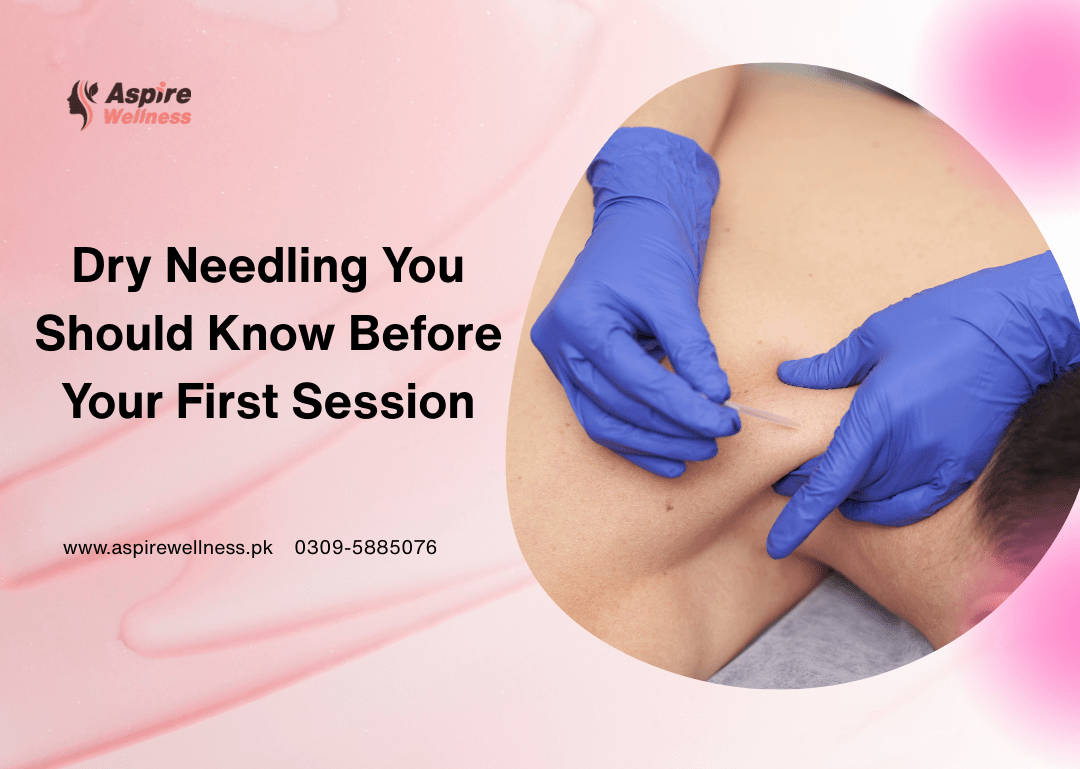
During a session, your physiotherapist inserts fine needles into tight or overworked muscles. This creates a small twitch response that resets the muscle and relieves pain.


Benefits of Dry Needling for Pain Relief & Recovery

1. Muscle Pain and Tension Relief

Muscles can develop tight spots (trigger points) from stress, injury, or poor posture. Dry needling releases those knots, helping to:

  • Reduce pain

  • Improve flexibility

  • Restore natural movement

It’s especially useful for office workers, athletes, and anyone with tight neck, back, or shoulder muscles.

2. Chronic Pain Management

Struggling with long-term pain? Dry needling is effective for:

  • Sciatica

  • Chronic back and neck pain

  • Migraines and tension headaches

  • Myofascial pain syndrome

It works by relieving deep muscle tension that’s compressing nerves or limiting movement.

3. Faster Injury Recovery and Athletic Performance

Athletes love because it helps:

  • Boost recovery after intense workouts

  • Improve muscle activation and flexibility

  • Prevent injuries by releasing tight spots before they become a problem

Ideal for conditions like hamstring strains, shin splints, or rotator cuff injuries.


What Happens in a Dry Needling Session?

During the Session

Your physiotherapist will assess your muscle patterns, then insert fine needles into the affected areas. You might feel a quick twitch, a dull ache, or pressure—that’s the trigger point releasing.

After the Session

Common reactions include:

  • Mild soreness (like a tough workout)

  • Immediate relief or increased range of motion

  • Light bruising or fatigue (which fades in 1–2 days)

How Many Sessions Do You Need?

Most people need 2–6 sessions, depending on their condition. Chronic pain may need more consistent treatment. Results often improve when combined with physiotherapy or mobility work.


Is Dry Needling Safe? (Yes, But Only When Done Right)

When performed by a trained professional, it is very safe. The needles are sterile, single-use, and much thinner than injection needles.

Common Side Effects (Totally Normal):

  • Mild bruising

  • Soreness for 24–48 hours

  • Fatigue or a “heavy” feeling in the treated area

To ease side effects:

  • Stay hydrated

  • Use heat on sore areas

  • Stretch gently or go for a walk

Important: Always go to a certified dry needling physiotherapist. Untrained practitioners can cause injury or complications.


Dry Needling for Specific Conditions

✅ Sciatica

 Relieves pressure on the sciatic nerve by releasing tight muscles in the glutes and lower back.

✅ Shoulder and Neck Pain

Releases tension in postural muscles like the traps and levator scapulae—common causes of stiffness, headaches, and arm pain.

✅ Tight Hamstrings and Calves

Perfect for athletes and runners. It restores flexibility and reduces injury risk by releasing deep muscle knots.

✅ Plantar Fasciitis and TMJ

Targets the small muscles in the foot and jaw to reduce pain, improve motion, and support overall recovery.


Expert Tips to Get the Best Results

  • Stay consistent: Most improvements come after a few sessions.

  • Move and stretch after treatment to lock in results.

  • Hydrate well to flush toxins and support muscle healing.

  • Combine with physio: Massage, mobility drills, and strengthening enhance the effects.


What Patients Say About Dry Needling

💬 “My sciatica is finally under control. Three sessions made a world of difference.”
💬 “Neck tension and TMJ are gone. I feel more relaxed and sleep better.”
💬 “it fixed my tight hamstrings when nothing else worked.”


Frequently Asked Questions (FAQs)

Is dry needling painful?

You might feel a brief cramp, twitch, or deep ache—but it’s short-lived and manageable.

How soon will I see results?

Some people feel better immediately, others after a few sessions. Consistency is key.

Can teens or older adults try dry needling?

Yes! It’s safe for most age groups when done by a certified professional.

Can dry needling replace physiotherapy?

It’s not a replacement but a powerful complement. Pair it with movement therapy for best results.


Final Thoughts – Should You Try Dry Needling?

It is a safe, effective, and fast-acting treatment for muscle pain, tension, and chronic discomfort. It works by targeting the root cause—tight, dysfunctional muscles—and resetting them.

Whether you’re recovering from an injury, struggling with sciatica, or just need a tension release, dry needle therapy could be exactly what your body needs.


📞 Book Your Session Today with Aspire Wellness
Call: 0309-5885076
📍 Now available at leading physiotherapy clinics in Karachi

Manual Therapy

“Manual Therapy in 2025: 9 Proven Techniques for Pain Relief, Faster Recovery & Better Mobility”

When people hear the term manual therapy, many instantly picture a relaxing massage or spa session. But let’s set the record straight—manual therapy is not just about feeling good; it’s about getting better.

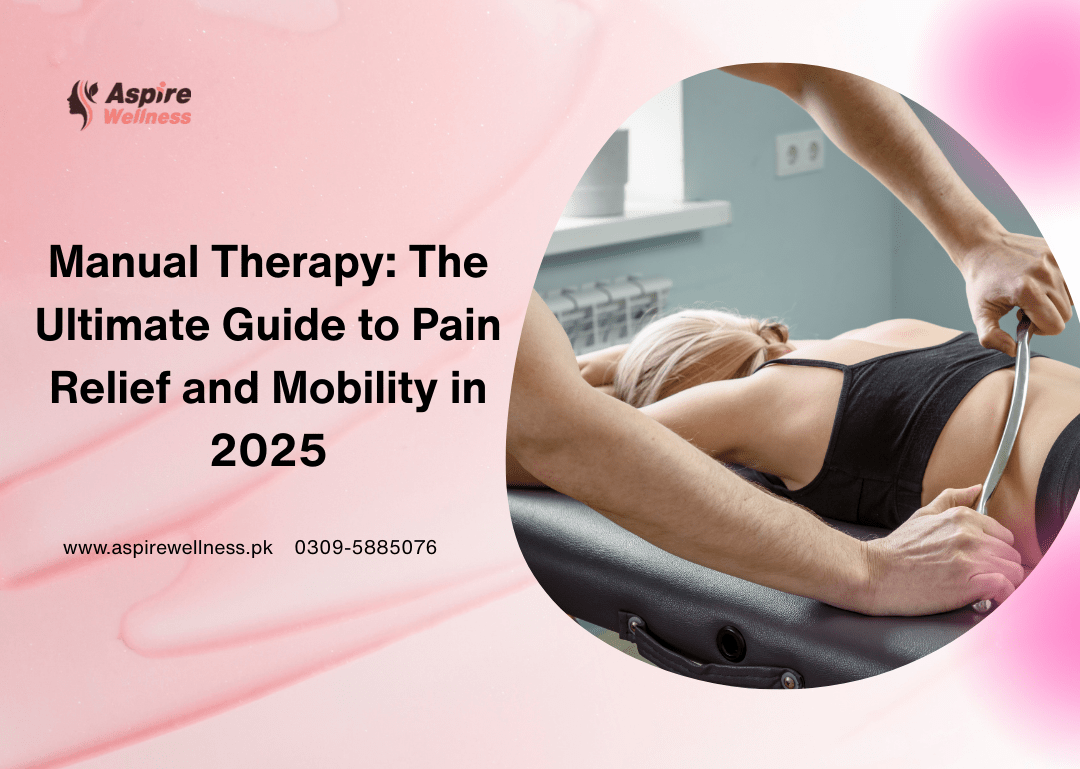
Unlike a typical massage, it is a hands-on clinical treatment used by physiotherapists to diagnose, treat, and correct issues like joint dysfunction, muscle tightness, and mobility limitations.

Whether you’re struggling with chronic back pain, recovering from an injury, or dealing with a frozen shoulder, physiotherapy goes beyond surface-level relief. It targets the root cause of your pain and restores proper movement using precise, therapist-guided techniques.

Let’s dive into what makes it different—and why it’s gaining attention in 2025.


Section 1: What Is Manual Therapy and How Is It Different?

It is a specialized branch of physiotherapy where clinicians use their hands—not machines or devices—to assess and treat musculoskeletal pain, stiffness, or dysfunction. It’s commonly used for patients who suffer from:

  • Joint restrictions

  • Muscle tightness or spasms

  • Postural imbalances

  • Limited range of motion

  • Chronic pain conditions like sciatica or fibromyalgia

Unlike modalities like hot packs or ultrasound, manual therapy offers real-time feedback, allowing therapists to adapt treatment on the spot. That’s what makes it so effective—it’s not one-size-fits-all. Every movement, pressure point, and technique is personalized to meet your specific needs.

🤲 Hands-On Treatment with a Purpose

Manual therapy in physiotherapy is purposeful and results-driven. It doesn’t just focus on symptom relief; it aims to restore function and prevent future problems. Whether you’re dealing with an old sports injury or nagging neck pain from desk work, it is tailored to bring your body back into balance.

Here’s what separates manual therapy from other forms of physical treatment:

  • Precise, therapist-guided techniques

  • Assessment + treatment in real time

  • Immediate improvement in joint and muscle performance

  • Targets the cause, not just the symptoms

So, if you’ve been stuck in a cycle of painkillers and temporary relief, manual rehab therapy might be the long-term solution you’ve been looking for.


Section 2: Manual Therapy Techniques That Actually Work

One of the best things about it is the wide range of techniques available. These are not random movements—they’re evidence-based methods designed to relieve pain, restore function, and support recovery.

Let’s explore the most powerful and widely-used manual therapy techniques in physiotherapy today:

🔹 Joint Mobilization

This involves gentle, passive movements of stiff joints. It’s especially useful for:

  • Post-operative stiffness

  • Frozen shoulder

  • Spinal immobility

  • Manual therapy for joint stiffness

By improving joint play and flexibility, mobilization reduces pain and enhances range of motion.

🔹 Soft Tissue Manipulation

Think of this as a deep-tissue reset. The therapist targets tight muscles, fascia, and tendons to:

  • Reduce inflammation

  • Improve circulation

  • Break down scar tissue

This technique is often used for back pain, shoulder injuries, and neck tension.

🔹 Myofascial Release

Fascia is the thin connective tissue that surrounds your muscles. When it tightens or sticks, it can restrict movement and cause pain. Myofascial release uses sustained pressure to release those restrictions, perfect for people with:

  • Chronic pain syndromes

  • Limited flexibility

  • Movement dysfunction

🔹 Trigger Point Therapy

These are the “knots” you often feel in your muscles that radiate pain elsewhere. A therapist will locate and apply pressure to these trigger points to release them. This is especially helpful for:

  • Manual therapy for neck pain

  • Sciatica

  • Migraines

  • Shoulder impingement

🔹 Passive Range of Motion (PROM)

Used when a patient can’t move a joint on their own—common in post-surgical rehab. The therapist gently moves the joint to:

  • Maintain flexibility

  • Prevent contractures

  • Restore normal movement patterns

🔹 Deep Tissue Techniques

Going deeper into the muscle layers, this manual technique targets long-standing pain and stiffness. Ideal for:

  • Athletic recovery

  • Chronic posture-related pain

  • Manual therapy for lower back pain


Why These Techniques Matter

Each of these methods serves a specific purpose, and in most treatment plans, your physiotherapist will combine them based on your condition. The ultimate goal? Pain relief, improved mobility, and a faster, drug-free recovery.

So whether you’re Googling manual therapy near me or just starting your recovery journey, knowing these techniques helps you understand the process—and the incredible results they can deliver.

Section 3: Who Can Benefit from Manual Therapy?

You don’t have to be an athlete or someone recovering from surgery to benefit from manual therapy. One of the biggest misconceptions is that it’s only for serious injuries or high-level rehab. In reality, it is for anyone dealing with musculoskeletal pain, stiffness, or mobility issues.

Here’s a closer look at who can benefit the most from manual therapy in physiotherapy:

Office Workers with Poor Posture

Sitting all day can lead to hunched shoulders, tight hip flexors, and chronic neck pain. therapy for posture correction focuses on releasing tension in overused muscles and realigning the body to its natural state.

People Suffering from Chronic Pain

If you’ve been battling chronic back pain, neck stiffness, or joint pain that doesn’t seem to go away, it offers a non-invasive solution. Techniques like joint mobilization and soft tissue therapy provide pain relief and long-term results—without relying on medications.

Post-Surgical Patients

Recovering from a knee replacement, rotator cuff repair, or spinal surgery? it helps restore mobility, prevent scar tissue build-up, and accelerate recovery. Manual therapy post-surgery is often the first step in a comprehensive rehab plan.

Seniors Looking to Stay Active

As we age, we lose flexibility and joint mobility. therapy for seniors can ease stiffness, improve balance, and reduce the risk of falls by restoring natural movement patterns.

Athletes and Sports Enthusiasts

Athletes use manual therapy for injury prevention and faster recovery. Whether it’s tennis elbow, runner’s knee, or rotator cuff strain, hands-on therapy helps reduce inflammation, release tight muscles, and support functional movement.

People with Sciatica or Nerve Pain

for sciatica involves techniques that release the piriformis muscle and reduce pressure on the sciatic nerve. It’s a safer, more sustainable alternative to corticosteroid injections or surgery.


Section 4: Top Benefits of Manual Therapy for Pain Relief and Mobility

it isn’t just about relieving pain—it’s about getting your life back. Whether you’re an athlete, a desk worker, or recovering from an accident, the benefits of manual therapy techniques go far beyond temporary relief.

1. 🔓 Immediate Pain Relief

Many patients feel better right after the first session. Techniques like trigger point therapy and joint mobilization can reduce pain in areas like:

  • Lower back

  • Neck and shoulders

  • Hips and knees

  • Post-operative joints

2. 🦴 Improved Joint Mobility

Stiff joints don’t just hurt—they limit how you move. Manual therapy for joint stiffness helps restore natural motion, allowing you to move without restrictions.

3. 💪 Restored Muscle Function

Muscles can become weak, tight, or imbalanced due to injury or inactivity. Soft tissue manipulation improves blood flow, reduces tension, and helps muscles perform better.

4. 🔍 Addresses the Root Cause

Instead of masking pain like painkillers do, manual rehab therapy targets the actual source of dysfunction. Whether it’s a stuck joint, inflamed tissue, or poor alignment, manual therapy fixes what’s actually wrong.

5. 🧘 Enhances Overall Wellbeing

It improves body mechanics, posture, and coordination. You’ll not only move better but feel better—mentally and physically.

6. 🏃 Accelerates Healing After Injury

When you combine manual therapy with physiotherapy exercises, your body recovers faster. It helps reduce swelling, improve circulation, and prepare your muscles and joints for movement again.


Real Talk: Why Manual Therapy Works

It’s not magic—it’s movement science. therapy techniques are rooted in biomechanics and clinical evidence. By restoring proper joint alignment and releasing soft tissue restrictions, you’re literally freeing your body to heal.


Section 5: How Manual Therapy Complements Other Physiotherapy Techniques

Here’s the secret sauce: manual therapy isn’t a standalone miracle—it shines brightest when combined with other physiotherapy treatments.

Imagine this: your joints are stiff, your muscles are tight, and your posture is off. Jumping straight into strength exercises without first correcting those imbalances is like building a house on a crooked foundation.

That’s where manual therapy in physiotherapy takes the lead.

🔗 Manual Therapy + Therapeutic Exercises = Faster Recovery

Manual therapy prepares your body by relieving pain and improving range of motion. Once you can move better, your physiotherapist introduces corrective exercises for:

  • Strengthening weak muscles

  • Improving posture

  • Preventing re-injury

It’s a one-two punch that makes your treatment more effective.

🧊 Manual Therapy + Modalities (e.g., Ice/Heat, TENS)

In some cases, tools like electrical stimulation or hot/cold therapy can be used before or after manual therapy to enhance results. But the hands-on work is where the real magic happens—it addresses the underlying cause.

🧘 Manual Therapy + Postural Re-education

If poor posture is behind your chronic pain, your physiotherapist may integrate postural training with manual techniques to help you sit, stand, and move better in your daily life.

🧠 Manual Therapy + Patient Education

Let’s not forget this crucial part. Educating you about your condition, movement patterns, and proper ergonomics turns short-term relief into long-term recovery.

Whether you’re recovering from surgery or managing a chronic issue like arthritis, combining manual therapy with a full physiotherapy program leads to faster, longer-lasting results.


Section 6: How to Choose the Right Manual Therapy Provider Near You

If you’re Googling “manual therapy near me” or trying to find a trusted physiotherapy clinic, here’s what you should be looking for—not just someone with good marketing, but a clinic that genuinely delivers results.

🧑‍⚕️ 1. Look for Licensed Physiotherapists

Manual therapy should only be performed by certified professionals trained in anatomy, biomechanics, and hands-on treatment techniques. Make sure the clinic clearly states their credentials.

📋 2. Ask About Personalized Treatment Plans

No two bodies are the same, so why settle for a cookie-cutter approach? The best manual therapy clinics provide individualized plans based on:

  • Your diagnosis

  • Functional limitations

  • Recovery goals

💬 3. Check Patient Testimonials and Reviews

What are others saying about the clinic? Look for reviews that mention manual therapy results, such as pain relief, faster healing, and improved mobility.

🎯 4. Inquire About Experience with Your Condition

Whether it’s manual therapy for back pain, post-surgery recovery, or neck stiffness, your therapist should be familiar with treating your specific issue.

🔎 5. Transparency and Education

A great provider will walk you through the process, explain what to expect, and involve you in your recovery journey. You should feel heard, informed, and empowered—not confused.


🏁 Bonus Tips for Finding the Best Manual Therapy Near You:

  • Search for “best manual therapy clinic in [your city]

  • Look for a physiotherapist who offers both manual and exercise-based rehab

  • Check if the clinic specializes in your condition (e.g., sports injuries, sciatica, post-operative care)

Section 7: Manual Therapy – Frequently Asked Questions (FAQs)

❓ Is manual therapy painful?

No, manual therapy should not be painful. Some techniques may cause mild discomfort, especially if you’re dealing with chronic muscle tightness or joint stiffness. However, a skilled manual therapy physiotherapist will always adjust the pressure based on your comfort level.

❓ How many sessions of manual therapy do I need?

It depends on your condition. For acute injuries, you may feel relief in just a few sessions. For chronic pain or post-operative rehab, your therapist may recommend a longer treatment plan that combines manual therapy techniques with targeted exercises.

❓ Is manual therapy safe for everyone?

Generally, yes. However, those with conditions like osteoporosis, fractures, or certain inflammatory diseases should consult a physiotherapist for a tailored approach. That’s why it’s crucial to seek professional manual therapy from licensed experts.

❓ Can I do manual therapy at home?

While some stretches and self-massage tools help, true clinical manual therapy must be performed by a trained physiotherapist. They can assess the root cause and apply the correct hands-on techniques for lasting results.

❓ What should I expect after a manual therapy session?

You may feel:

  • Immediate relief or increased range of motion

  • Mild soreness (like post-workout)

  • Better movement in daily activities

Always follow your therapist’s advice on post-treatment care, like staying hydrated or doing gentle stretches.


Section 8: Final Thoughts – Is Manual Therapy Worth It?

Let’s cut through the noise: manual therapy isn’t just a trend—it’s a proven, evidence-based approach that treats pain at its source. Whether you’re an athlete with a sports injury, an office worker with neck pain, or someone recovering from surgery, manual therapy offers a non-invasive, drug-free path to healing.

And in 2025, as more people search for natural and personalized recovery options, manual therapy in physiotherapy is becoming the gold standard.

It’s not about a quick fix. It’s about:

✔ Relieving pain
✔ Restoring movement
✔ Reclaiming your lifestyle

So, if you’re tired of masking symptoms and want real, lasting results—manual therapy might be exactly what your body needs.


💬 Ready to Experience Manual Therapy?

Don’t let pain hold you back any longer.

👉 Book a consultation with a certified physiotherapist near you and discover the power of manual therapy for pain relief and mobility.
Whether you’re searching for manual therapy near me, looking to recover from injury, or just want to move better—now is the time to take action.

Your body will thank you.


Geriatric Physiotherapy

Rehabilitation Meaning in Urdu: 7 Shocking Facts Everyone Should Know

Rehabilitation Meaning in Urdu When we think of rehabilitation, many of us imagine someone recovering from an injury or addiction. But the truth is, rehabilitation (or بحالی in Urdu) is far more than that. It’s an essential process that plays a significant role in improving your health and wellness. Whether you’re recovering from surgery, a mental health condition, or a debilitating illness, rehabilitation programs are specifically designed to meet your needs and can significantly enhance your quality of life.

In this article, we’ll explore the meaning of rehabilitation, the different types available, and the step-by-step process, with a special focus on Urdu speakers to help you understand this vital health component in a more relatable way.


What is Rehabilitation?

(Urdu Context: بحالی کیا ہے؟)

Rehabilitation refers to the process of restoring an individual’s ability to perform daily activities that may have been lost due to injury, illness, or disability. This process involves a variety of therapies, treatments, and support mechanisms designed to help you regain your independence and live a full, healthy life.

In Urdu, the term for rehabilitation is بحالی, which captures the essence of restoring health, strength, and mental stability. The goal of rehabilitation is simple: to help individuals function as independently as possible, whether it’s walking again after an accident or managing stress after a mental health challenge.


Different Types of Rehabilitation Programs & Their Urdu Meaning

(Urdu Context: بحالی کے مختلف اقسام اور اُن کا اردو مطلب)

1. Physical Rehabilitation (جسمانی بحالی)

Physical rehabilitation focuses on restoring strength, flexibility, and movement after an injury or condition like a stroke or surgery. This often includes physiotherapy, specific exercise programs, and sometimes surgical treatments for recovery.

Urdu Explanation:
“جسمانی بحالی مریض کو دوبارہ چلنے، اٹھنے اور روزمرہ کے کام کرنے کے قابل بناتی ہے۔”

2. Cognitive Rehabilitation (ذہنی بحالی یا ادراکی بحالی)

Cognitive rehabilitation targets memory, attention, and problem-solving skills. It’s particularly helpful for individuals recovering from brain injuries or those suffering from neurological disorders like Alzheimer’s.

Urdu Explanation:
“ذہنی بحالی دماغی چوٹ یا فالج کے بعد مریض کو یادداشت اور سوچنے کی صلاحیت واپس دلانے میں مدد دیتی ہے۔”

3. Psychological or Mental Rehabilitation (نفسیاتی بحالی)

This type of rehabilitation is designed to help individuals manage mental health issues, including depression, anxiety, or PTSD, through therapy, counseling, and behavioral interventions.

Urdu Explanation:
“نفسیاتی بحالی انسان کو ذہنی دباؤ سے نکال کر مثبت زندگی کی طرف واپس لاتی ہے۔”

4. Vocational Rehabilitation (پیشہ ورانہ بحالی)

Vocational rehabilitation helps individuals return to the workforce after an illness or injury. This includes job training, career counseling, and skills development to ease the transition back into work.

Urdu Explanation:
“پیشہ ورانہ بحالی معذور افراد کو دوبارہ روزگار کی دنیا میں قدم رکھنے کا موقع دیتی ہے۔”

5. Addiction or Drug Rehabilitation (نشہ یا منشیات سے بحالی)

Addiction rehabilitation is aimed at helping individuals overcome substance abuse. It involves a range of therapies such as detoxification, therapy, and relapse prevention.

Urdu Explanation:
“منشیات سے بحالی کا مقصد فرد کو نشے سے چھٹکارا دلا کر نارمل زندگی گزارنے کے قابل بنانا ہوتا ہے۔”

6. Pediatric Rehabilitation (بچوں کی بحالی)

Pediatric rehabilitation addresses the needs of children with developmental delays, autism, or cerebral palsy, using therapies such as speech therapy, physical therapy, and occupational therapy.

Urdu Explanation:
“بچوں کی بحالی اُنہیں جسمانی اور ذہنی ترقی کے لیے ضروری مہارتیں سیکھنے میں مدد دیتی ہے۔”

7. Postpartum Rehabilitation (زچگی کے بعد کی بحالی)

Postpartum rehabilitation focuses on helping women recover physically and emotionally after childbirth. It addresses pelvic floor dysfunction, postpartum depression, and physical recovery.

Urdu Explanation:
“زچگی کے بعد کی بحالی خواتین کو دوبارہ تندرست، پُرامید اور پُراعتماد بناتی ہے۔”


Step-by-Step: What Happens in a Typical Rehabilitation Program?

(Urdu Context: بحالی کا مرحلہ وار عمل کیا ہوتا ہے؟)

Rehabilitation is a structured process and involves multiple steps. Let’s look at the typical rehabilitation process for physical rehabilitation (with Urdu explanations).


Step 1: Initial Assessment & Evaluation (ابتدائی معائنہ اور تشخیص)

The first step in any rehabilitation program is a comprehensive assessment. This involves reviewing the patient’s health condition, limitations, and goals. Doctors, physiotherapists, or other rehab specialists will evaluate the patient’s needs and design an effective rehab plan.

Urdu Explanation:
“ماہرین مریض کی جسمانی، ذہنی یا جذباتی حالت کا مکمل معائنہ کرتے ہیں تاکہ درست بحالی منصوبہ تیار کیا جا سکے۔”


Step 2: Personalized Rehab Plan Creation (ذاتی بحالی منصوبہ بنانا)

Once the assessment is complete, the next step is to create a customized rehab plan tailored to the individual. The plan includes a combination of therapy, medication, lifestyle changes, and support systems designed to achieve specific outcomes.

Urdu Explanation:
“ہر مریض کے لیے ایک مخصوص بحالی منصوبہ تیار کیا جاتا ہے تاکہ جلدی اور مؤثر نتائج حاصل کیے جا سکیں۔”


Step 3: Active Treatment Phase (سرگرم بحالی مرحلہ)

During this phase, the patient actively participates in treatments such as physical exercises, mental health therapy, or addiction recovery programs. The goal is to begin the healing process and address any underlying issues.

Urdu Explanation:
“یہ وہ مرحلہ ہوتا ہے جہاں مریض باقاعدہ علاج یا تربیت کے عمل میں شامل ہوتا ہے۔”


Step 4: Progress Monitoring & Adjustments (پیش رفت کی نگرانی اور ترامیم)

Throughout the treatment phase, specialists continuously monitor the patient’s progress and make any necessary adjustments to the treatment plan to ensure effective recovery.

Urdu Explanation:
“ماہرین باقاعدگی سے مریض کی حالت دیکھ کر بحالی کے پروگرام میں ضروری تبدیلیاں کرتے ہیں۔”


Step 5: Reintegration & Independence (واپسی اور خود مختاری کی طرف سفر)

The ultimate goal of rehabilitation is to help patients regain their independence and return to normal life activities, whether it’s returning to work, managing emotions, or living independently.

Urdu Explanation:
“بحالی کا آخری مرحلہ مریض کو آزاد، خود کفیل اور بھرپور زندگی کی طرف لوٹنے کے قابل بناتا ہے۔”


Bonus Step: Aftercare & Relapse Prevention (نگہداشت کے بعد اور دوبارہ خرابی سے بچاؤ)

After the formal treatment ends, aftercare is crucial. This includes follow-up care, home exercises, and ongoing support to ensure long-term recovery and prevent relapse.

Urdu Explanation:
“بحالی کے بعد بھی مریض کی مسلسل رہنمائی اور مدد کی جاتی ہے تاکہ وہ دوبارہ پچھلی حالت میں نہ جائے۔”


Conclusion

Rehabilitation, or بحالی, is a multi-step process that’s essential for restoring health, strength, and independence after illness or injury. Understanding the different types of rehabilitation and the rehabilitation process can help you make informed decisions about your health and recovery journey.

Rehabilitation is not a quick fix — it requires time, effort, and patience. However, the results are life-changing. If you or someone you know is considering rehabilitation, make sure to seek professional guidance to ensure the best recovery path.

hijama center near me

Top 10 Signs of the Best Hijama Center Near Me: A Complete Guide to Professional Cupping Therapy

What Is Hijama Therapy and Why Is It Gaining Popularity?

Best Hijama Center Near Me Hijama, also known as wet cupping therapy, is an ancient healing practice rooted in Prophetic medicine. While its roots go back thousands of years, hijama has made a huge comeback recently — especially among people looking for natural healing alternatives without medication or harsh side effects.

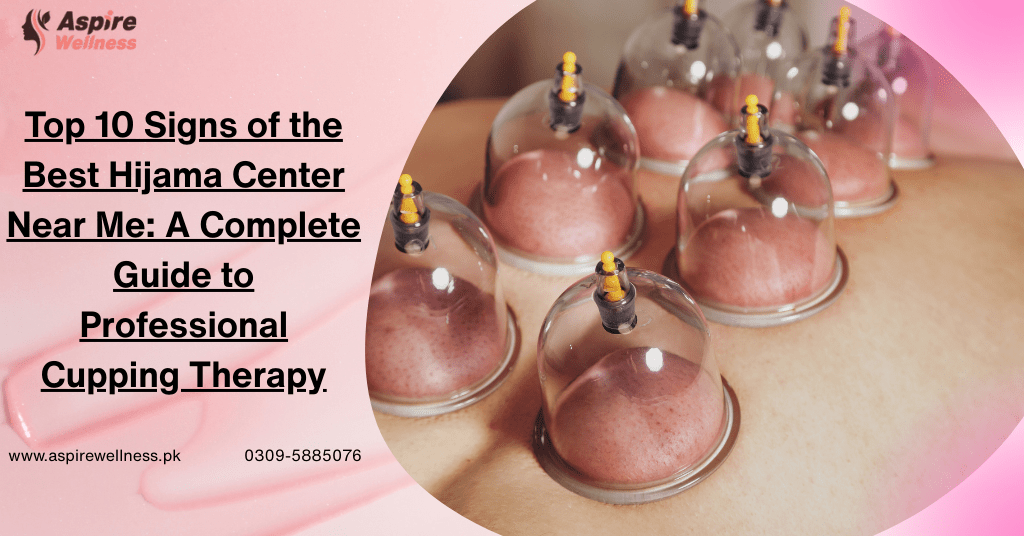
Best Hijama Center Near Me Hijama involves creating suction on specific areas of the body using cups, followed by small incisions to draw out stagnated blood and toxins. The process is believed to improve circulation, reduce pain, and restore balance in the body.

People are now turning to hijama for a wide range of health concerns:

  • Chronic pain and inflammation

  • Stress and anxiety

  • Migraines and tension headaches

  • Hormonal imbalances (especially in women)

  • Detox and immune support

  • General wellness and mental clarity

No wonder searches like “Islamic cupping near me”, “wet cupping therapy clinic near me”, and “best hijama center near me for cupping therapy” are trending like never before.


10 Signs of a Professional Hijama Clinic Near You

Ready to book a session? Before you do, make sure the clinic checks these 10 boxes:

1. Certified and Licensed Hijama Therapists

Always ask if the therapist is certified and trained from a recognized institution. A licensed hijama therapist understands anatomy, hygiene, and safe technique — all of which are critical to a positive outcome.

2. Hygienic Setup with Sterile Equipment

Safety is non-negotiable. A professional clinic will use:

  • Disposable blades

  • Sterile cups

  • Antiseptic solutions

  • Clean linens and gloves

Avoid any place that cuts corners here. Search for terms like “safe cupping therapy” or “hijama with sterile equipment” when researching.

3. Verified Online Reviews and Local Reputation

Check Google reviews, Facebook recommendations, and real testimonials. A top rated hijama cupping therapy center will have glowing feedback, visible results, and a loyal client base.

4. Personalized Consultations

No two bodies are the same. A proper hijama clinic near you will ask about:

  • Your health goals

  • Medical history

  • Pain points and symptoms

This ensures the session is customized for your needs — whether it’s hijama for migraines, detox, or sports recovery.

5. Gender-Sensitive Services

For comfort and modesty, many clients prefer same-gender therapists. Look for clinics that offer:

  • Female hijama therapists

  • Male cupping professionals

  • Private treatment rooms

Search terms like “hijama centers for women near me” can help.

6. Transparent Pricing

The best clinics display their prices clearly. Whether it’s one-time sessions or package deals, you should know exactly what you’re paying for — with no hidden fees.

Keywords to note: “affordable hijama clinic near me”, “cupping therapy cost”, “hijama packages”

7. Variety of Treatment Options

A great clinic offers both:

  • Wet cupping therapy (hijama)

  • Dry cupping therapy

  • Hijama for the head, back, legs, and other body parts

This versatility shows expertise and experience.

8. Aftercare and Educational Support

Cupping therapy doesn’t end when the cups come off. A professional center will guide you on:

  • Aftercare steps

  • Foods to avoid

  • When to book your next session

  • How to get the most out of your treatment

Search for: “hijama aftercare tips”, “cupping recovery advice”

9. Easy Booking & Quick Responses

Whether you prefer WhatsApp, a website, or calling directly — the clinic should make scheduling easy. Flexible timings, walk-in options, or appointment-only systems are all great, as long as they’re efficient.

Try searching: “walk-in hijama clinic near me”, “hijama appointment near me”

10. Peaceful, Professional Environment

Lastly, the clinic should feel like a healing space. Cleanliness, calm music, comfortable rooms — all of it adds to the experience. If it feels rushed or unprofessional, look elsewhere.


Best Hijama Services by Treatment Type Near You

Now that you know how to spot a quality clinic, let’s talk about the types of hijama treatments you can try — depending on your specific goals.

1. Hijama for Chronic Pain & Injury

This is one of the most common uses. If you’re dealing with:

  • Back or neck pain

  • Joint pain

  • Muscle stiffness

  • Injury recovery

Hijama helps reduce inflammation, improve blood flow, and release tight fascia. Athletes and fitness enthusiasts often search for:

  • “hijama for sports recovery”

  • “pain relief hijama center near me”

  • “hijama for back pain”

2. Hijama for Women’s Health

Women are increasingly turning to hijama for:

  • Hormonal balance

  • PCOS and fertility issues

  • Menstrual cramping

  • Postpartum healing

Female-focused hijama clinics use specialized points on the lower back, inner thighs, and spine to regulate hormones and detox the reproductive system.

Relevant searches:

  • “female hijama therapist”

  • “hijama therapy for PCOS”

  • “hijama for women’s health near me”

3. Hijama for Stress, Sleep & Mental Wellness

Hijama isn’t just physical — it supports emotional and mental health too. Cupping on the head, shoulders, and upper back helps:

  • Relieve migraines

  • Reduce anxiety

  • Promote deeper sleep

  • Clear brain fog

Clients often look for:

  • “hijama for stress relief”

  • “cupping therapy for insomnia”

  • “hijama for mental clarity”


Where Can I Get Hijama Done Locally?

If you’ve made it this far, you’re probably wondering — “Where do I find a certified hijama center near me?”

Here’s a step-by-step process to help:

  1. Google Your Location-Specific Keywords
    Try using exact terms like:

    • “best hijama center in [karachi]”

    • “professional cupping therapy near me”

    • “Islamic cupping center [defence phase 2 dha ]”

  2. Check Certifications & Reviews
    Visit the website or Instagram profile. Look for therapist credentials, before/after photos, and real client feedback.

  3. Ask About Hygiene and Gender Options
    Don’t hesitate to ask about sterilization practices and therapist gender — especially if modesty matters to you.

  4. Book a Trial Session
    Many clinics offer first-time discounts or quick assessments. Use that to see if their vibe, professionalism, and hygiene meet your expectations.


Final Thoughts: Make Your Hijama Experience Count

Choosing the right hijama center near you is more than just finding the closest one. It’s about trusting your health with experts who combine traditional healing with modern standards of care.

Whether you’re after detox, pain relief, or spiritual healing, hijama can be life-changing — if done right.

So take your time, do your research, and book with confidence. Your body (and mind) will thank you.

Best Physiotherapy Services in DHA Karachi

10 Reasons Why Visiting a Physiotherapy Clinic Might Be the Best Decision You Make for Your Health

10 Reasons Why Visiting a Physiotherapy Clinic Might Be the Best Decision You Make for Your Health Many people still think that physiotherapy is only for those recovering from major surgeries or severe sports injuries. That’s simply not true.

Modern physiotherapy clinics offer solutions for a wide range of everyday aches, postural issues, joint dysfunctions, and chronic pain that millions of people deal with silently. Whether you’re a desk worker with back pain, a new mom needing core rehab, or someone looking to improve mobility as you age — physiotherapy has something for you.

Let’s explore what physiotherapy is really about, why you might need it, and how to make the most out of your experience at a trusted clinic.


🏥 What is a Physiotherapy Clinic?

A physiotherapy clinic is a healthcare facility where trained physiotherapists help individuals restore movement and function after injury, illness, or disability. It’s more than just massage or exercises — it’s a holistic, evidence-based approach to healing and prevention.

Physiotherapists use a combination of:

  • Manual therapy

  • Functional exercise programs

  • Electrotherapy

  • Patient education

  • Lifestyle coaching

…to help people manage pain, improve mobility, and prevent future injuries.

These clinics may specialize in different areas like:

  • Sports physiotherapy clinics

  • Pediatric physiotherapy

  • Geriatric rehabilitation

  • Women’s health physiotherapy

  • Neurological or orthopedic physiotherapy

Whether you’re seeking relief from chronic pain or want to recover from a recent injury, a good physiotherapy clinic near you can help you bounce back — stronger and faster.


🔍 Why Do People Visit a Physiotherapy Clinic?

Wondering if you need to see a physiotherapist? You’re not alone.

Here are some of the top reasons people seek help from a licensed physiotherapy clinic:

1. Chronic Pain Relief

Conditions like lower back pain, neck stiffness, arthritis, and sciatica are incredibly common. Instead of relying solely on painkillers, physiotherapy treatment for pain focuses on the root cause — targeting tight muscles, weak joints, and postural imbalances.

2. Recovery After Surgery or Injury

Post-operative rehab is a key reason people visit clinics. Whether it’s a torn ACL, rotator cuff surgery, or joint replacement, post-surgical physiotherapy is critical for regaining strength and mobility safely.

3. Sports Injuries

Athletes, both amateur and professional, benefit from personalized recovery plans. From ankle sprains to tennis elbow, sports physiotherapy clinics create tailored rehab strategies to get you back in the game.

4. Poor Posture or Ergonomic Issues

With most of us sitting for hours daily, posture problems are leading to chronic neck, shoulder, and back pain. Physiotherapists help correct posture and recommend ergonomic-friendly routines for work and home.

5. Neurological Conditions

Conditions like stroke, Parkinson’s disease, and multiple sclerosis require specialized care. Neuro physiotherapy clinics help patients regain movement, balance, and independence over time.

6. Pediatric Developmental Delays

Children with motor delays, cerebral palsy, or scoliosis benefit greatly from pediatric physiotherapy clinics that use play-based, age-appropriate therapies.

7. Women’s Health and Pregnancy Recovery

From prenatal discomfort to postpartum core rehabilitation, women’s physiotherapy clinics address pelvic floor dysfunction, diastasis recti, and more.

8. Geriatric Care for Seniors

Ageing brings balance issues, joint pain, and muscle weakness. Geriatric physiotherapy helps seniors stay mobile, safe, and independent longer.

9. Preventing Surgery or Re-Injury

Many people use physiotherapy as a preventative care method. With the right exercises and techniques, you can often avoid surgery altogether.

10. Enhanced Athletic Performance & Flexibility

Even if you’re not injured, a sports-focused physiotherapy clinic can help optimize your movement, prevent injuries, and improve your performance.


🧪 What Treatments are Offered at Physiotherapy Clinics?

Physiotherapy isn’t a one-size-fits-all solution. Here’s a breakdown of the most common treatments you can expect from a modern physiotherapy clinic:

✅ Manual Therapy

Hands-on techniques like joint mobilization, trigger point release, and myofascial release help reduce pain and improve range of motion.

✅ Exercise Therapy

Personalized routines target muscle imbalances, flexibility, and strength. This includes resistance training, mobility drills, and functional movement exercises.

✅ Electrotherapy

Modalities like TENS, ultrasound, and IFC (Interferential Current Therapy) are used to reduce inflammation and stimulate healing.

✅ Dry Needling & Acupuncture

Some clinics offer trigger point dry needling or traditional acupuncture to treat muscle tightness and nerve pain.

✅ Taping and Bracing

Used for support and injury prevention during activity — common in sports physiotherapy.

✅ Gait & Balance Training

Especially important in stroke rehabilitation and elderly care, this training helps improve stability and prevent falls.

✅ Ergonomic and Postural Education

You’ll learn how to sit, stand, move, and sleep in ways that protect your spine and joints.

✅ Core Stability & Pelvic Floor Training

Vital in postpartum recovery, incontinence, or low back pain cases.


💡 Tips to Get the Most Out of Your Physiotherapy Treatment

Booking the appointment is just the beginning. Here’s how to make sure your time at a rehabilitation physiotherapy clinic is actually effective:

  1. Be consistent – Regular sessions produce better results than random visits.

  2. Follow your home exercises – Most progress happens between appointments.

  3. Communicate openly – Let your physiotherapist know what’s working and what’s not.

  4. Stay patient – Healing takes time, especially with chronic issues.

  5. Track your progress – Use a journal or app to stay motivated.


🏥 Choosing the Right Physiotherapy Clinic for You

Not all clinics are created equal. Here’s what to look for when searching for a professional physiotherapy clinic near me:

  • Licensed, experienced staff

  • Personalized, 1-on-1 care

  • Clean, modern facilities

  • A wide range of treatment services

  • Transparent pricing and insurance options

  • Positive reviews and patient testimonials

  • Convenient location and hours

Tip: Book a consultation first. It gives you a feel for the therapist, clinic vibe, and treatment philosophy.


✅ Final Thoughts: Your Recovery Starts Here

Whether you’re living with daily discomfort, healing from a recent injury, or simply want to move better and feel stronger — a trusted physiotherapy clinic can change the way you live your life.

Don’t wait for things to get worse.

👉 Book a session today with a certified physiotherapist near you and take the first step toward long-term wellness, mobility, and freedom from pain.

Physical Therapy

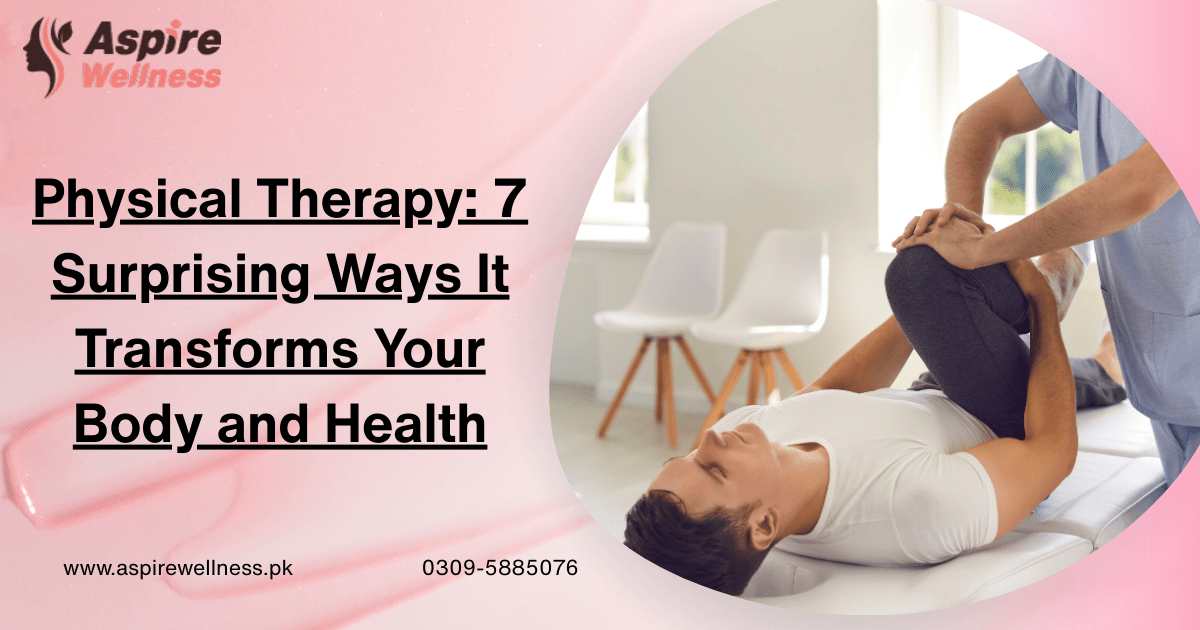
Physical Therapy: 7 Surprising Ways It Transforms Your Body and Health

Physical Therapy: 7 Surprising Ways It Transforms Your Body and Health Forget what you’ve heard—physical therapy isn’t just for injuries. It’s a powerful, science-backed approach to help you move better, live pain-free, and thrive at every age.

Whether you’re recovering from surgery, struggling with chronic pain, or simply want to improve your flexibility and posture, physical therapy is your gateway to a healthier, stronger you.

In this guide, we’ll break down what physical therapy really is, who it helps, and why it’s one of the smartest health investments you can make—even if you’re not injured.


✅ What Is Physical Therapy?

Physical therapy (also called physiotherapy) is a hands-on healthcare practice that focuses on improving movement, reducing pain, and restoring physical function. It’s used for:

  • Recovery from surgery or injury

  • Managing chronic conditions (like arthritis, sciatica, or stroke)

  • Preventing future injuries

  • Enhancing athletic performance

  • Improving posture and flexibility

Whether you visit a physiotherapy clinic or opt for in-home physical therapy, the goal is simple: help your body move and function better—naturally.


👴 In-Home Physical Therapy for Seniors

Contrary to belief, aging doesn’t have to mean slowing down. In fact, in-home physical therapy for seniors helps older adults stay active, independent, and pain-free—right from the comfort of their home.

Benefits Include:

  • Fall prevention with balance training exercises

  • Improved mobility after joint replacement or stroke

  • One-on-one attention from expert therapists

  • Safer movement and confidence in daily life

If you or a loved one needs elderly physiotherapy at home, this option delivers effective care without the stress of traveling.


🏋️ Physical Therapy for Athletes: Recovery & Peak Performance

Athletes rely on their bodies—so keeping them in peak condition is essential. Sports physical therapy helps prevent injuries, speed up recovery, and boost performance.

Here’s how:

  • Rebuild strength after ACL tears, sprains, or muscle injuries

  • Improve flexibility and mobility for explosive performance

  • Correct biomechanics and movement imbalances

  • Design prehab programs to avoid future injuries

Whether you’re a student athlete or a weekend warrior, rehabilitation physiotherapy can elevate your game.


💪 Physical Therapy Benefits Beyond Injuries

Think you don’t need physical therapy because you’re not in pain? Think again. It can help:

  • Correct posture and improve alignment

  • Increase flexibility and joint mobility

  • Boost energy through functional fitness training

  • Alleviate stress and enhance mental wellness

  • Prevent long-term issues with proactive movement plans

Preventative physical therapy is one of the best-kept secrets for maintaining lifelong health and wellness.


🔍 How to Choose the Right Physical Therapist

Not all therapists are the same. Here’s how to choose wisely:

  • Look for licensed professionals with specialized experience

  • Ensure one-on-one care and personalized treatment plans

  • Ask about in-home physical therapy services or telehealth options

  • Read reviews and ask for referrals

  • Consider insurance, location, and accessibility

A good therapist is your partner in healing, movement, and long-term health.


🚀 Key Takeaways

  • Physical therapy is more than rehab—it’s a complete wellness strategy

  • Suitable for all ages: seniors, athletes, office workers, and more

  • Helps with chronic pain, post-surgery recovery, injury prevention, and fitness

  • In-home and personalized services make it more accessible than ever

  • Choosing the right therapist is essential for long-term success


🗣️ Ready to Feel Better, Move Freer, and Live Stronger?

If you’re ready to take control of your health, find a physical therapy provider near you and start your journey toward a pain-free, active life.

book your appointment with aspire wellness clinic contact on this number 03095885076 or you can visit our website: aspirewellness.pk

HydraFacial Near Me

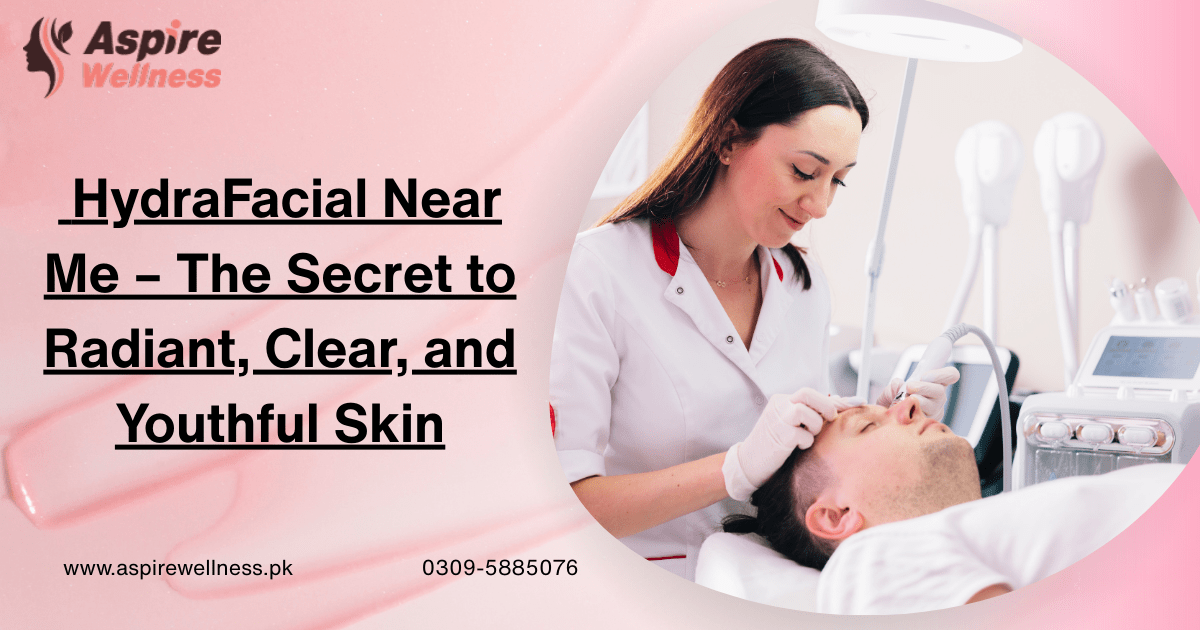
HydraFacial Near Me – The Secret to Radiant, Clear, and Youthful Skin

HydraFacial Near Me – The Secret to Radiant, Clear, and Youthful Skin Ever catch yourself typing “HydraFacial near me” into Google and wondering which clinic actually delivers on the promise of glowing, healthy skin? Whether you’re prepping for a big event or just need a regular skin refresh, HydraFacial is one of the most in-demand facial treatments available today—and for good reason.

In this guide, we’ll explore what makes HydraFacial so special, what to expect during a session, and how to find the best HydraFacial treatment near you. Let’s get your glow on!


What Is a HydraFacial?

HydraFacial is a non-invasive, multi-step facial treatment that deeply cleanses, exfoliates, extracts, and hydrates your skin—all in under an hour. Unlike traditional facials that can leave your skin red and irritated, HydraFacial is gentle yet powerful.

Here’s what sets it apart:

  • Deep cleansing with vortex technology

  • Painless extraction of blackheads and impurities

  • Hydration infusion with skin-loving serums

  • Customizable boosters for acne, anti-aging, pigmentation, and more

It’s like giving your face a deep-clean and nutrient boost in one go—ideal for all skin types, even sensitive skin.


Benefits of HydraFacial Treatment

If you’re new to the world of advanced facials, here’s why so many people swear by HydraFacial:

  • 🌟 Instant glow: See visible results after just one session

  • 💧 Hydrated skin: Nourishing serums lock in moisture

  • 🎯 Targeted concerns: Fine lines, wrinkles, acne, and hyperpigmentation

  • 🛡 No downtime: Go about your day right after your session

  • 🧖‍♀️ Safe for everyone: Suitable for teens, adults, and even mature skin

If your skin feels dull, clogged, or tired—this is your go-to refresh.


Who Should Get a HydraFacial?

Literally anyone. HydraFacial is ideal for:

  • Acne-prone skin

  • Oily or congested pores

  • Fine lines and wrinkles

  • Uneven tone and texture

  • Dry or dehydrated skin

Whether you’re prepping for a wedding, recovering from a breakout, or just want a monthly skin reset, this facial fits into your beauty routine effortlessly.


What to Expect During Your First HydraFacial

If you’ve never had one before, you might be wondering: What actually happens during a HydraFacial session?

Here’s a quick breakdown:

  1. Cleanse + Peel: Gentle exfoliation and resurfacing

  2. Extract + Hydrate: Suction clears out pores while moisturizing serums soothe your skin

  3. Fuse + Protect: Antioxidants and peptides are infused to maximize your glow

The entire treatment is painless, relaxing, and usually takes about 30–45 minutes.


How to Find the Best HydraFacial Near You

Typing “HydraFacial near me” is a great start—but how do you choose the right clinic?

Here’s what to look for:

  • Certified aestheticians trained in HydraFacial technology

  • 🏥 Licensed aesthetic clinics with positive reviews

  • 🌟 Before & after photos on their website or social media

  • 📍 Convenient location near your home or work

  • 💬 Free consultations to discuss your skin concerns

💡 Pro Tip: Look for clinics offering a personalized HydraFacial with boosters like Dermabuilder (for anti-aging) or Britenol (for pigmentation).


HydraFacial Cost: Is It Worth It?

Pricing can vary depending on your city, the clinic’s reputation, and any added boosters.

  • 💲 Average HydraFacial cost: $150–$250 per session

  • 🛍 Package deals: Many clinics offer discounted packages for 3–6 treatments

  • 🎁 First-time offers: Some clinics offer promo pricing for new clients

While it may be more of an investment than a basic facial, the long-term skin benefits are absolutely worth it.


HydraFacial vs. Other Facials: What’s the Difference?

Feature Traditional Facial HydraFacial
Extraction Manual, can be painful Painless, vacuum-based
Hydration Basic moisturizers Advanced serum infusion
Customization Limited Highly personalized
Downtime Possible redness No downtime
Results Mild Immediate and long-lasting

If you’re looking for a facial that delivers visible results without irritation, HydraFacial takes the win.


Aftercare Tips for Glowing Results

Post-HydraFacial care is super simple:

  • Avoid heavy makeup for 24 hours

  • Stay hydrated and use a gentle cleanser

  • Apply SPF religiously—your skin will be extra absorbent and sensitive

You’ll notice your skin feels smoother, looks brighter, and absorbs products like a sponge.


Find a HydraFacial Clinic Near You Today!

Ready to transform your skin? Don’t wait—your perfect glow is just around the corner. Use these tips to search for the best HydraFacial clinic near you and treat your skin to the care it deserves.

✨ Whether you’re in Karachi, or anywhere in between—there’s a licensed aesthetic clinic ready to pamper your skin.

Sunblock Secrets

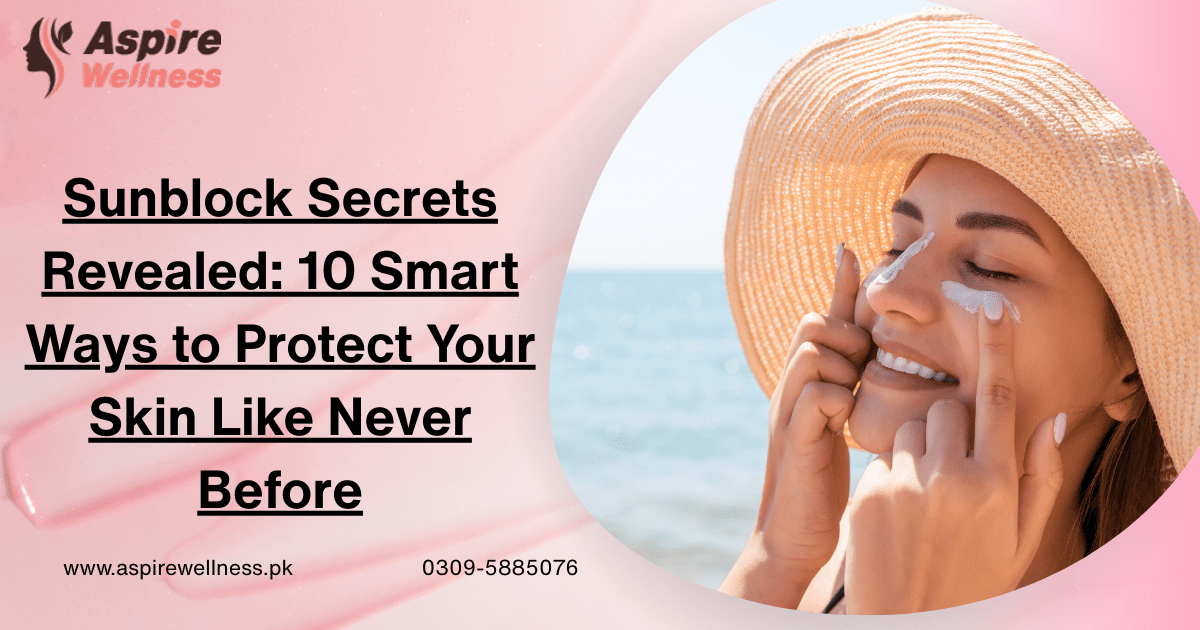
Sunblock Secrets Revealed: 10 Smart Ways to Protect Your Skin Like Never Before

What Is Sunblock and How Does It Work?

Sunblock Secrets Revealed: 10 Smart Ways to Protect Your Skin Like Never Before .Sunblock (also called sunscreen) is a skincare product that protects your skin from harmful UV rays. There are two main types:

  • UVA rays: Cause aging (wrinkles, sunspots)

  • UVB rays: Cause sunburn

Sunblocks come in two forms:

  • Physical (mineral): Sits on your skin and reflects rays (e.g., zinc oxide, titanium dioxide)

  • Chemical: Absorbs rays before they damage your skin

Always go for broad-spectrum sunblock. It protects you from both UVA and UVB rays.

Why You Should Use Sunblock Daily

Here’s what daily sunblock use can do for your skin:

1. Protects Against Skin Cancer

Sun exposure is the #1 cause of skin cancer. Using sunblock every day reduces that risk.

2. Slows Down Aging

UV rays speed up signs of aging like fine lines and wrinkles. Daily sunblock helps your skin stay young longer.

3. Fights Pigmentation

If you have dark spots or melasma, sunblock helps prevent them from getting worse.

4. Keeps Your Skin Even

Sun exposure causes uneven tone and redness. Sunblock helps your skin look smooth and even.

5. Boosts Your Skincare Results

Using retinol, acids, or vitamin C? These products make your skin more sensitive to the sun. Without sunblock, they can do more harm than good.


How to Choose the Right Sunblock for Your Skin Type

Not all sunblocks work the same for everyone. Here’s how to choose the right one:

Oily Skin

  • Look for: Gel-based, oil-free, non-comedogenic formulas

  • Try: Matte finish sunblock, SPF 50 for oily skin

Dry Skin

  • Look for: Cream-based formulas with hydrating ingredients

  • Try: Sunblock with hyaluronic acid or vitamin E

Sensitive Skin

  • Look for: Mineral sunscreens (zinc oxide, titanium dioxide)

  • Avoid: Fragrance, alcohol, harsh chemicals

Dark Skin

  • Look for: Tinted or invisible formulas to avoid white cast

  • Tip: Broad-spectrum SPF 50 works great for all skin tones

Combination Skin

  • Look for: Lightweight but moisturizing sunblocks

  • Try: Water-based or gel-cream formulas

Acne-Prone Skin

  • Look for: Oil-free, non-comedogenic, calming ingredients like niacinamide

Mature Skin

  • Look for: Sunblock with anti-aging ingredients like peptides or vitamin C


How to Apply Sunblock Properly

Even the best sunblock won’t work if you don’t apply it right:

Use Enough

  • 1 teaspoon for your face

  • A shot glass amount for your whole body

Apply Before You Go Out

  • Do it at least 15–30 minutes before sun exposure

Cover All Areas

  • Don’t forget: Neck, ears, hands, feet, lips

Reapply Every 2 Hours

  • Especially after sweating, swimming, or towel-drying


Mistakes to Avoid with Sunblock

Avoid these common sunblock slip-ups:

  • Using expired sunscreen

  • Applying it only once a day

  • Skipping it on cloudy or winter days

  • Thinking makeup with SPF is enough

  • Not reapplying after 2 hours


Final Thoughts – Sunblock is a Daily Must-Have

Sunblock Secrets Revealed: 10 Smart Ways to Protect Your Skin Like Never Before .Using sunblock every day might feel like a small step, but it makes a massive difference. It protects you from UV damage, aging, and serious skin conditions.

Whether you’re heading to the beach, the office, or just chilling indoors near a window—don’t skip your sunblock. Choose one that suits your skin, apply it properly, and reapply when needed.

Want better skin for life? Start with sunblock.

Whitening Injection

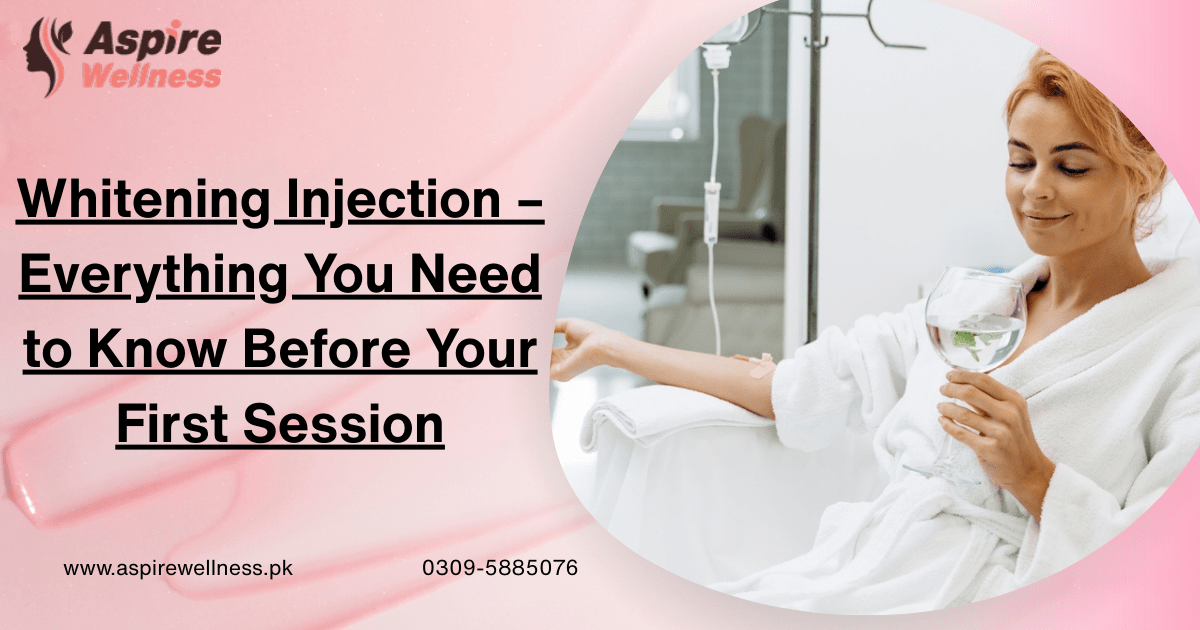
Whitening Injection – Everything You Need to Know Before Your First Session

Whitening Injection – Everything You Need to Know Before Your First Session

Debunking the Myths: Is Whitening Injection a Quick Fix or Just a Trend?

Whitening Injection – Everything You Need to Know Before Your First Session .Let’s get one thing straight—whitening injections are not magic potions that give you porcelain skin overnight. One of the biggest misconceptions floating around is that a single injection can instantly turn dark skin light, effortlessly. That’s not how it works.

The truth is, skin tone is genetically determined, and whitening injections like glutathione and vitamin C drips work gradually by reducing melanin production, not by “bleaching” your skin.

These treatments are often marketed with flashy “before and after” pictures, but it’s important to understand that results vary based on individual skin type, current skin condition, and how consistently the treatment is taken.

In short, whitening injections are not a trend or gimmick—they’re part of a broader aesthetic dermatology treatment plan that, when used responsibly, can brighten skin tone, improve radiance, and reduce hyperpigmentation. But they’re not an overnight solution.

So before jumping in, let’s take a deep dive into what whitening injections really are, how they work, and what you can realistically expect.


What is a Whitening Injection and How Does It Work?

A whitening injection, often referred to as a glutathione whitening injection or skin lightening injection, is a treatment where powerful antioxidants like glutathione, vitamin C, and other nutrients are administered via intravenous (IV) or intramuscular (IM) methods to lighten the skin over time.

✅ What’s in a Whitening Injection?

Most whitening injections contain a combination of:

  • Glutathione – A master antioxidant that reduces melanin production

  • Vitamin C – Enhances glutathione’s effects and boosts collagen

  • Alpha-lipoic acid or other skin boosters – Promote detox and cell repair

These components work at the cellular level to protect your skin from free radical damage and interfere with the enzyme tyrosinase, which is responsible for melanin (the pigment that gives skin its color). With continued treatment, this can lead to a more even, radiant, and visibly lighter skin tone.

✅ How Do Whitening Injections Work in the Body?

Whitening Injection – Everything You Need to Know Before Your First Session .When injected into your bloodstream, glutathione neutralizes oxidative stress, which is a leading cause of hyperpigmentation, dullness, and dark spots. It also converts eumelanin (dark pigment) into pheomelanin (lighter pigment) — resulting in a brighter and more youthful glow.

This isn’t just about fairness—it’s about improving overall skin quality, enhancing clarity, and achieving that natural, glass-skin glow often sought after in K-beauty routines.

✅ Are Whitening Injections Safe?

Yes, when administered by a certified dermatologist, whitening injections can be safe. But the safety largely depends on:

  • The source and quality of the product

  • Proper dosage and frequency

  • An individual’s health profile and allergies

This is why it’s crucial to consult a licensed aesthetic clinic or skin expert before starting the treatment.

✅ Natural Usage of Keywords in Context:

Throughout this section, we’ve naturally incorporated related and long-tail keywords like:

  • how do whitening injections work

  • glutathione whitening injection

  • skin whitening injection

  • injectable skin brighteners

  • IV skin brightening

  • safe glutathione dosage

  • melanin reduction

  • vitamin C whitening injection

Types of Whitening Injections Available Today

If you’re considering skin lightening treatments, it’s essential to understand that not all whitening injections are created equal. There are several types available on the market today, each with slightly different compositions and benefits. Choosing the right one depends on your skin type, goals, and budget.

✅ 1. Glutathione Injections

This is the most popular skin whitening injection in the market and the most researched. Glutathione is a powerful antioxidant naturally found in our bodies, and its ability to inhibit melanin production makes it the star of most IV skin brightening and fairness injection treatments.

Long-term use can result in:

  • Gradual brightening of skin tone

  • Reduction of dark spots and hyperpigmentation

  • Improved skin texture and radiance

✅ 2. Vitamin C Injections

Often combined with glutathione, vitamin C whitening injections boost the immune system and enhance the skin-lightening effects of glutathione. They also aid in collagen production and skin repair, making them ideal for people with post-acne pigmentation and dull skin.

✅ 3. Alpha-Lipoic Acid Injections

Less commonly used alone, but often included in injectable skin boosters or whitening drips. This acid enhances the effects of glutathione and vitamin C, further helping to detoxify the skin and reduce oxidative damage.

✅ 4. Combination Whitening Drips

Some aesthetic clinics offer custom whitening cocktails — these are typically IV whitening injections or drips that include a combination of:

  • Glutathione

  • Vitamin C

  • Alpha-lipoic acid

  • Collagen

  • Other vitamins (like B-complex)

These work together to brighten your complexion, boost hydration, and give the skin a dewy, even glow.

✅ 5. Korean Whitening Injections

Popularized through K-beauty trends, Korean whitening injections often focus on overall skin clarity, glass-skin effect, and subtle tone brightening. These formulations are gentler and suitable for sensitive skin types looking for more natural-looking results.

  • best whitening injection for dark skin

  • injectable skin brighteners

  • vitamin C whitening injection

  • skin lightening booster

  • glutathione benefits for skin

  • Korean skin whitening injection

  • fairness skin boosters


Benefits of Whitening Injections for Your Skin

So why are so many people turning to whitening injections? The answer goes beyond just skin lightening. While the main goal is often to achieve a brighter and more even complexion, whitening injections provide a range of additional benefits that improve overall skin health and appearance.

✨ 1. Even Skin Tone and Reduced Pigmentation

These treatments help to fade:

  • Acne scars

  • Sunspots

  • Uneven patches
    By inhibiting melanin production, whitening injections can create a more balanced skin tone.

✨ 2. Brighter, Radiant Complexion

As glutathione reduces oxidative stress, it improves skin clarity and revives dull skin. You’ll notice a glow that looks fresh, healthy, and natural, not artificial.

✨ 3. Anti-Aging Properties

Glutathione and vitamin C are both known for their anti-aging benefits. They help:

  • Stimulate collagen production

  • Reduce the appearance of fine lines

  • Improve skin elasticity

This means you’re not just lightening your skin, but also preserving its youthfulness.

✨ 4. Fights Free Radical Damage

Thanks to their antioxidant nature, whitening injections protect your skin from:

  • Pollution

  • UV rays

  • Stress-related aging

This leads to stronger, healthier skin from within, especially when combined with proper skincare and sun protection.

✨ 5. Boosts Confidence

Let’s not ignore the emotional and psychological benefit. When your skin looks healthy, even-toned, and radiant, it naturally boosts your confidence and how you carry yourself in public and professional settings.

  • skin tone brightening

  • glow enhancing injection

  • anti-pigmentation injection

  • dark spot reduction injection

  • injectable glutathione

  • skin fairness treatment

  • post-acne pigmentation removal

  • glow enhancing injection

  • skin lightening IV therapy

Whitening Injection Results – What to Expect (Before & After)

One of the most frequently asked questions when it comes to skin whitening injections is:
“How long do whitening injections last, and when will I see results?”

Let’s be real — results don’t happen overnight. Whitening injections are a gradual process, and visible changes depend on your skin type, melanin level, frequency of sessions, and how your body reacts to glutathione and vitamin C.

🕒 How Long Does It Take to See Results?

  • Mild to moderate skin tones may begin seeing results after 4–6 sessions.

  • Darker skin tones typically need 10–15 sessions for visible skin brightening.

  • Full results are usually seen after 2–3 months of consistent treatment, especially when combined with proper skincare and sun protection.

Glutathione works from the inside out, and each body metabolizes antioxidants differently. For some, results appear sooner; for others, it may take longer. Either way, consistency is key.

📸 Before and After Whitening Injection Results

Before treatment, you may notice:

  • Uneven skin tone

  • Sun damage and hyperpigmentation

  • Dull, tired-looking complexion

After several sessions of skin whitening IV therapy, patients commonly report:

  • A more even and radiant skin tone

  • Diminished dark spots and post-acne marks

  • Brighter, smoother skin texture

  • Healthier glow and fewer blemishes

These before and after whitening injection results are often supported by lifestyle changes—hydration, sunblock, and a solid skincare routine go a long way.

🧬 Are the Results Permanent?

Unfortunately, the results of whitening injections are not permanent. If you stop the sessions entirely, your skin may gradually return to its original tone. That’s why maintenance doses every few months are often recommended, especially if you’re exposed to sun or environmental pollutants regularly.

  • before and after whitening injection results

  • how long do whitening injections last

  • glutathione injection results for skin whitening

  • post-glutathione maintenance plan

  • how many sessions for whitening injections


Safety and Side Effects – Is It Safe for All Skin Types?

Whenever you’re considering any skin treatment, safety should be your top priority—especially when it comes to injections that are absorbed into your bloodstream.

Are Whitening Injections Safe?

Yes, when administered by certified professionals in licensed aesthetic clinics, glutathione whitening injections and vitamin C skin brightening treatments are generally considered safe for most skin types.

Glutathione is naturally produced in the liver, and when used in safe dosages, it can effectively reduce oxidative stress and improve skin quality.

However, like any medical or cosmetic treatment, risks exist if not done correctly. That’s why you should never opt for DIY injections or treatments from unverified providers.

⚠️ Possible Side Effects (and How to Avoid Them)

Some users may experience minor and temporary side effects such as:

  • Skin rashes or allergic reactions

  • Injection site swelling or redness

  • Digestive discomfort (rare)

  • Headache or fatigue

More serious issues arise only if incorrect doses or fake products are used, which can affect kidney or liver function. This is why:

  • You must choose a certified clinic

  • Ensure your injectables are FDA-approved

  • Always follow a safe and consistent treatment plan

👩‍⚕️ Is It Safe for All Skin Types?

Yes, but with proper evaluation. Dermatologists typically recommend a consultation first to assess:

  • Skin tone and texture

  • Sensitivities or allergies

  • Underlying health conditions

Those with autoimmune issues, pregnancy, or chronic liver/kidney conditions may need alternative options or postponement of treatment.

  • is glutathione injection safe for skin whitening

  • side effects of whitening injections

  • safe glutathione dosage

  • skin whitening injection safety

  • FDA-approved whitening injections

  • non-surgical skin lightening treatment

Whitening Injections vs Other Whitening Methods

With so many skin lightening options available today, it’s natural to ask — are whitening injections better than creams, pills, or treatments like lasers? The short answer? It depends on your skin goals, timeline, and budget.

Let’s break down how whitening injections compare with other popular methods:

💉 1. Whitening Injections (Glutathione & Vitamin C)

  • How they work: Injected directly into the bloodstream for faster absorption and cellular detox.

  • Best for: People looking for full-body brightening, fast results, and additional antioxidant benefits.

  • Pros: Powerful skin lightening, boosts radiance, and anti-aging effects.

  • Cons: Requires multiple sessions and professional administration.

💊 2. Whitening Pills and Supplements

  • How they work: Orally taken glutathione or skin lightening supplements.

  • Best for: Mild skin tone enhancement and maintenance after injections.

  • Pros: Convenient, no needles.

  • Cons: Slower results, lower absorption compared to IV injections.

🧴 3. Skin Whitening Creams and Serums

  • How they work: Applied topically to reduce pigmentation or fade dark spots.

  • Best for: Targeting localized hyperpigmentation or melasma.

  • Pros: Easy to use, great for everyday skincare.

  • Cons: Surface-level results, takes months to show visible change.

🔥 4. Laser Treatments and Chemical Peels

  • How they work: Exfoliate or resurface skin layers to reduce pigmentation and even skin tone.

  • Best for: Treating sun damage, deep acne scars, or stubborn dark patches.

  • Pros: Immediate results in some cases, long-lasting effects.

  • Cons: Costly, may require downtime, risk of irritation or burns.

🥇 So, Which Is Better?

If you’re looking for whole-body skin lightening, improved glow, and antioxidant protection, IV whitening injections offer the most comprehensive approach. But for targeted areas or maintenance, topical creams and oral supplements work well too. In many cases, a combination of treatments yields the best results.

  • whitening injections vs pills

  • skin lightening injections vs creams

  • glutathione injection vs laser treatment

  • best method for skin whitening

  • injectable skin whitening treatment comparison


How Many Sessions Are Needed and How Often?

This is one of the most important considerations for anyone starting a whitening injection treatment plan. Unlike topical creams, IV glutathione injections need to be administered in cycles to maintain optimal results.

📅 Recommended Whitening Injection Schedule

  • Mild skin tones: 1 injection per week for 4–6 weeks

  • Medium to dark skin tones: 1–2 injections per week for 8–12 weeks

  • For maintenance: 1 injection every 15–30 days after initial treatment

This frequency allows glutathione to accumulate and maintain consistent antioxidant levels in the body, improving your results over time.

⏱️ How Long Do Whitening Injections Last?

Results usually last anywhere from 3 to 6 months, depending on lifestyle and environmental exposure. If you’re constantly exposed to sun, pollution, or smoke, the effect may fade quicker — which is why post-treatment care is just as important as the injections themselves.

🧴 Tips to Maintain Whitening Injection Results:

  • Use SPF 50+ sunscreen daily

  • Stay hydrated and eat antioxidant-rich foods

  • Avoid excessive sun exposure

  • Use a good vitamin C serum to support glow

  • Schedule regular touch-up sessions based on your skin needs

  • how many glutathione injections are needed

  • whitening injection treatment plan

  • how often should I take whitening injections

  • long-lasting whitening treatment

  • how long do skin lightening injections last

Post-Treatment Skincare and Maintenance

So, you’ve started your whitening injection treatment — now what? To maximize and maintain results, post-treatment skincare and lifestyle habits are just as important as the injections themselves.

🧴 Daily Skincare Routine After Whitening Injections

Here’s what a basic routine should include:

1. Gentle Cleanser:
Use a mild, non-stripping cleanser to keep skin clean without irritation.

2. Antioxidant Serum (Vitamin C):
Supports the whitening process and boosts glow. It works synergistically with glutathione whitening injections to protect against free radicals.

3. Moisturizer:
Hydrated skin looks more radiant and heals faster. Look for products with hyaluronic acid or ceramides.

4. High-SPF Sunscreen:
This is non-negotiable. After skin lightening treatments, your skin becomes more sensitive to UV rays. Use SPF 50+ broad spectrum sunscreen, even indoors.

💡 What to Avoid After Whitening Injections

  • Excessive sun exposure

  • Harsh exfoliants or chemical peels

  • Smoking and alcohol (which increase oxidative stress)

  • Skipping sunscreen

By avoiding these, you reduce the risk of skin darkening after glutathione injections, which can undo your progress.

🧘‍♀️ Healthy Lifestyle Habits to Prolong Results

  • Drink 8–10 glasses of water daily

  • Eat foods rich in antioxidants (berries, leafy greens, citrus)

  • Get enough sleep and manage stress

  • Consider taking oral glutathione supplements for long-term maintenance

  • post-glutathione skincare tips

  • how to maintain whitening injection results

  • skincare after skin lightening treatment

  • best serum to use after glutathione injection

  • does sunscreen help maintain skin whitening


Conclusion: Is Whitening Injection Right for You?

Here’s the truth — whitening injections aren’t for everyone, but they can be a game-changer if used responsibly. They offer a safe, effective, and non-surgical way to lighten skin tone, reduce pigmentation, and boost overall skin health when performed by a qualified professional.

If you’re:

  • Struggling with uneven skin tone or hyperpigmentation

  • Tired of slow results from whitening creams and serums

  • Looking for full-body brightening and a glow from within
    Then yes — a glutathione whitening injection treatment plan might be perfect for you.

But, like any skincare journey, results depend on consistency, expert guidance, and realistic expectations. Always consult with a board-certified aesthetic doctor or dermatologist before beginning treatment.

Remember, confidence isn’t just about fairer skin — it’s about feeling good in your own skin. Whitening injections are just one of many ways to support that.

  • is glutathione injection right for me

  • benefits of skin lightening IV treatment

  • skin confidence with whitening treatments

  • glow from within skin solution

  • aesthetic skin whitening procedure


Retinol Serum for Smooth, Youthful Skin

The Ultimate Guide to Using Retinol Serum for Smooth, Youthful Skin

The Ultimate Guide to Using Retinol Serum for Smooth, Youthful Skin If you’ve ever wondered if retinol serum is really worth the hype, the answer is a resounding yes! This powerhouse ingredient can transform your skin, offering benefits that range from minimizing fine lines to clearing up acne.

But there’s a catch — using retinol the wrong way can lead to irritation, dryness, and worse. That’s why it’s essential to know how to use retinol serum effectively for maximum results.

Let’s break down everything you need to know, from the best retinol serums on the market to common mistakes to avoid. Ready to get started?


1. What is Retinol Serum and Why You Should Use It

Retinol is a form of Vitamin A, a powerful compound that helps with cell turnover, meaning it encourages your skin to shed dead cells and regenerate new ones. This speeds up the process of clearing acne, reducing fine lines, and brightening your complexion.

Retinol serum is simply a more concentrated form of retinol, typically in liquid form, that allows for deep penetration into the skin.

While many people associate retinol with anti-aging, it’s also a great choice for those struggling with acne, dark spots, or uneven skin tone. As a retinol serum works to exfoliate the skin, it helps unclog pores, improve texture, and fade hyperpigmentation. It’s truly one of the best ingredients for achieving clear, youthful skin.


2. Types of Retinol Serums — How to Choose the Right One for Your Skin

When it comes to selecting the right retinol serum, there’s no one-size-fits-all approach. Your skin type and concerns will determine the best formulation for you. Here are the different types of retinol products to choose from:

Gentle Retinol (0.25%–0.5%)

If you’re new to retinol serums, you’ll want to start with a gentle formula to build your skin’s tolerance. Look for retinol serums with 0.25% to 0.5% retinol, which are perfect for beginners. These lower concentrations work well without overwhelming your skin and cause minimal irritation.

Moderate Retinol (0.5%–1%)

As your skin gets used to retinol, you can gradually move to moderate-strength formulas like 0.5% to 1%. These are better for those who want more dramatic results, such as reducing fine lines, wrinkles, or deep acne scars. But, again, patience is key.

High-Potency Retinol (1% and Above)

Advanced users or people with severe skin issues might opt for stronger retinol serums. Concentrations above 1% are typically for individuals who have built up significant tolerance to the ingredient and need more intensive results.

Retinol serums with 1% or more can address deep wrinkles, significant acne, and other persistent skin concerns.


3. How to Start Using Retinol Serum in Your Routine

Even though retinol serum is an amazing ingredient, it can be harsh for beginners, leading to dryness, irritation, or peeling if used incorrectly. Follow these steps to start your retinol skincare routine the right way:

  1. Start Slowly
    Begin by using your retinol serum once or twice a week, gradually increasing the frequency as your skin builds tolerance. Start with lower concentrations (0.25% to 0.5%) to avoid irritation.

  2. Evening Use
    Since retinol breaks down in sunlight, use your retinol serum at night only. After cleansing your face, wait for about 10–15 minutes for your skin to dry completely before applying retinol.

  3. Apply a Thin Layer
    Use a pea-sized amount of retinol serum for your entire face. Avoid applying it to your neck and eye areas unless the product is specifically labeled safe for those areas.

  4. Moisturize Well
    Retinol can be drying, so always follow up with a rich moisturizer. This will help lock in moisture and soothe any irritation caused by the active ingredient. If your skin is extra sensitive, consider layering your moisturizer before and after retinol (the “moisture sandwich method”).

  5. Don’t Forget SPF
    Since retinol can increase your skin’s sensitivity to the sun, always apply a broad-spectrum SPF 30 or higher every morning, even on cloudy days.


4. What to Expect When You First Use Retinol Serum

One of the biggest concerns when starting retinol serum is the fear of purging or breaking out. While it’s normal to experience some temporary irritation, breakouts, or flaking when first using retinol, these symptoms usually subside after a few weeks.

What Is Retinol Purging?

Retinol speeds up cell turnover, pushing out impurities from beneath the skin’s surface. This can cause acne to surface temporarily before your skin clears up. If you experience this, don’t be alarmed — it’s a sign that retinol is doing its job.

When Does Retinol Start Working?

You may not see dramatic results immediately. Most users begin noticing improvements around the 4–6 week mark, and optimal results (smoother skin, fewer wrinkles, fewer breakouts) typically take 8–12 weeks.


5. Retinol Purging vs Breakouts — What’s Normal and What’s Not

Here’s a fear many beginners have:
“What if I start using retinol and my skin gets worse?”

That’s not just a myth — it’s a real phase called retinol purging, and yes, it can look like a breakout. But don’t panic! Understanding the difference between a purge and a reaction or breakout is key to staying on track with your skincare goals.

What Is Retinol Purging?

When you introduce retinol serum to your skincare routine, it speeds up your skin’s natural cell turnover. That means dormant pimples, clogs, and congestion beneath the surface are pushed up faster than usual.

This can cause:

  • Whiteheads or small pimples

  • Tiny red bumps (especially on the cheeks, chin, or forehead)

  • Flakiness or slight peeling

Good news: Purging is temporary — and it’s a sign that the retinol is working.

How Long Does Retinol Purging Last?

Most purging lasts about 2–6 weeks, depending on your skin type, product strength, and how often you’re applying it.

Retinol Purge vs Breakout: How to Tell the Difference

It’s easy to confuse purging with an actual breakout or allergic reaction. But the causes — and solutions — are completely different.

Purge Breakout/Reaction
Happens where you usually break out Occurs in new or unusual areas
Starts soon after using retinol Can happen any time, even after weeks/months
Clears up within 4–6 weeks Keeps getting worse over time
Skin feels dry but manageable Skin feels angry, inflamed, or painful
Can include slight flaking May involve itchiness, rash, or cystic acne

How to Reduce Purging Without Stopping Retinol

You don’t need to give up on retinol — you just need to ease into it. Here’s how to reduce the intensity of purging:

  • Start with low strength: 0.25% or 0.3% is enough for beginners

  • Apply 2x a week at first and increase gradually

  • Moisturize before and after (this is called the sandwich method)

  • Avoid layering with strong actives (like AHAs, BHAs, or Vitamin C)

When Should You Stop Using Retinol?

If you experience any of the following, pause use and consult a dermatologist:

  • Painful, cystic breakouts that worsen

  • Rash or hives

  • Skin burning or peeling uncontrollably

  • Intense redness and inflammation

This could be a sign of retinol intolerance or a reaction to other ingredients in the product.


6. Common Mistakes to Avoid When Using Retinol Serum

Here’s a harsh truth:
Even the best retinol serum won’t work if you’re making classic rookie mistakes — and many people quit too soon because of it.

Let’s walk through the biggest retinol serum mistakes to avoid, so you can get the glow-up without the glow-down.

1. Using Retinol Too Frequently, Too Soon

This is mistake #1 for most beginners. They apply retinol nightly thinking more = faster results, but that’s a fast track to irritation, peeling, and inflammation. Start with twice a week and gradually increase frequency.

2. Skipping Moisturizer or Hydration

Retinol can be drying, so hydration is key. Use a rich moisturizer to avoid flaking, tightness, or discomfort.

3. Using Retinol with Harsh Actives (at the Wrong Time)

Combining retinol with AHAs, BHAs, or Vitamin C can overwhelm your skin. Stick with gentler formulas like niacinamide and hyaluronic acid on retinol nights.

4. Ignoring Sun Protection

Retinol makes your skin more sensitive to UV rays, so always apply SPF every morning.

5. Using Too Much Product

With retinol, a little goes a long way. A pea-sized amount is enough for your entire face.

6. Expecting Instant Results

It takes time for retinol to work. You may not see dramatic results right away, but give it 6–12 weeks for the full benefits.


7. Final Thoughts + Expert Takeaways on Using Retinol Serum Effectively

Retinol is a long-term investment in your skin. It’s one of the most effective ingredients for reducing wrinkles, fading acne scars, and achieving a brighter, more even complexion. The key is to start slowly, be patient, and protect your skin from the sun.

Whether you’re new to retinol or a seasoned user, following a proper routine will help you achieve smoother, youthful skin. So go ahead and embrace the magic of retinol serum — your skin will thank you for it.