
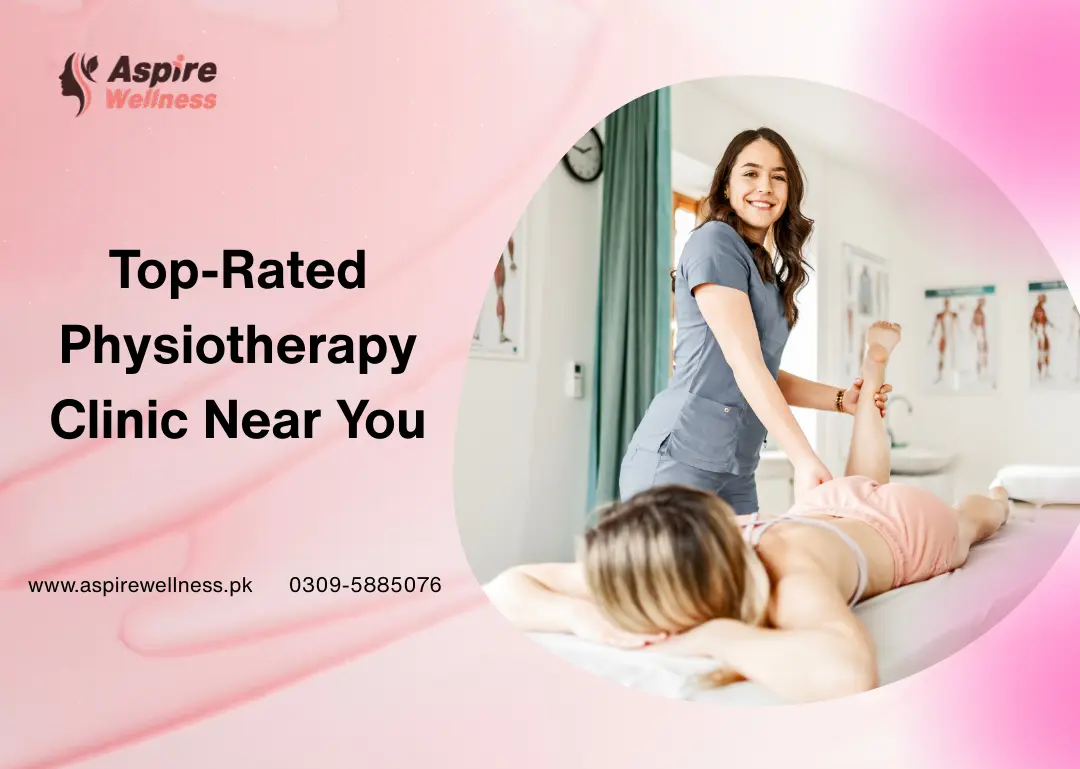
Motherhood is beautiful — but let’s be honest, it’s not easy on the body. Many women believe that after childbirth, the body naturally “bounces back” on its own. However, that’s one of the most common misconceptions! The truth is, post-partum recovery requires guided care, and that’s where post-partum physiotherapy in Karachi steps in to make all the difference.
If you’ve been struggling with pain, weakness, or stiffness after delivery — whether it was a normal birth or a C-section — this blog will help you understand how physiotherapy can rebuild your strength, restore your confidence, and accelerate healing naturally.
1. Understanding Post-Partum Physiotherapy: What It Really Means
Post-partum physiotherapy (also known as postnatal physiotherapy) focuses on helping mothers recover physically after childbirth. During pregnancy and delivery, your body goes through hormonal, structural, and muscular changes — from pelvic floor strain to stretched abdominal muscles and postural imbalances.
Physiotherapy provides targeted exercises and manual therapies that address these changes in a safe, structured way. It’s not just about healing — it’s about restoring function, stability, and strength so you can enjoy motherhood pain-free.
A post-partum physiotherapist in Karachi focuses on:
-
Reactivating core and pelvic floor muscles
-
Improving posture and body alignment
-
Managing pain and fatigue
-
Enhancing mobility and flexibility
-
Educating mothers on safe lifting, breastfeeding, and daily activities
Whether you’re weeks or months post-delivery, it’s never too late to start physiotherapy. Early intervention, however, leads to faster recovery and prevention of chronic postnatal problems.
2. Why Post-Partum Physiotherapy is Important After Childbirth
Most mothers assume rest alone is enough after childbirth — but rest without guided movement can actually delay healing and worsen muscle weakness. Post-partum physiotherapy bridges this gap by providing targeted movement therapy that promotes natural recovery while preventing future complications.
Here’s why it’s crucial:
a) Rebuilds Core and Pelvic Stability
Pregnancy stretches and weakens your core muscles, which support your spine, pelvis, and internal organs. Without reactivation, this can lead to lower back pain, poor posture, or even pelvic floor dysfunction.
Physiotherapists teach core retraining and breathing techniques that restore abdominal tone and protect your spine.
b) Speeds Up Recovery After C-Section or Normal Delivery
After delivery, your body experiences inflammation, tissue tightness, and hormonal imbalances. Physiotherapy enhances blood circulation, tissue healing, and mobility, allowing your body to recover naturally without medication dependence.
c) Prevents Long-Term Postnatal Problems
Ignoring postnatal pain can lead to chronic back issues, urinary leakage, or postural deformities. Physiotherapy helps correct alignment, balance muscles, and stabilize the pelvis — ensuring you stay active and pain-free in the long run.
d) Boosts Confidence and Body Awareness
Reconnecting with your body after childbirth takes time. Guided postpartum exercise programs help mothers regain confidence, strength, and energy — making them feel more like themselves again.
3. Common Post-Partum Problems Treated by Physiotherapy
Every woman’s recovery is different — but certain issues are common after delivery. The good news? Post-partum physiotherapy in Karachi can address them all effectively with customized treatment plans.
a) Pelvic Floor Weakness and Urinary Leakage
During childbirth, your pelvic floor muscles stretch and lose tone, leading to urinary incontinence (leakage during coughing or sneezing).
Physiotherapy uses pelvic floor reactivation, Kegel exercises, and biofeedback therapy to strengthen these muscles, restoring control and stability.
b) Diastasis Recti (Abdominal Separation)
Many mothers notice a bulge or gap down the center of their belly — that’s diastasis recti, a common condition caused by overstretching of abdominal muscles.
Post-partum physiotherapy includes deep core activation, breathing retraining, and functional movement correction to help close the gap safely.
c) Lower Back and Hip Pain
Pregnancy hormones loosen your joints, and lifting your baby frequently can aggravate back and hip pain.
Physiotherapy combines manual therapy, spinal mobilization, and correct posture training to relieve pain and strengthen your spine.
d) Post-C-Section Recovery
C-section scars can cause tightness, pain, and restricted mobility. A women’s physiotherapist in Karachi can perform scar mobilization, teach gentle stretching, and guide pelvic floor exercises to enhance healing and flexibility.
e) Posture and Alignment Problems
Feeding, carrying, and caring for your baby often leads to neck, shoulder, and upper back pain. Post-partum physiotherapy includes postural correction, strength training, and ergonomic advice to improve balance and reduce strain.
f) Pelvic or Tailbone Pain (Coccydynia)
Persistent tailbone or pelvic pain after childbirth can result from joint misalignment. Physiotherapy provides pelvic realignment, soft tissue release, and stabilization exercises to restore comfort and mobility.
4. Physiotherapy Techniques and Treatments for Post-Partum Recovery
At Aspire Wellness Karachi, physiotherapists use a holistic and evidence-based approach combining manual therapy, exercise therapy, and patient education to ensure a complete recovery.
Here are the most effective post-partum physiotherapy techniques used by experts:
a) Pelvic Floor Rehabilitation
Targets bladder control, pelvic pain, and core strength through biofeedback, Kegel exercises, and manual activation.
b) Core Stabilization and Strengthening
Guided core retraining using deep breathing techniques, gentle stretches, and progressive strengthening to rebuild abdominal integrity.
c) Manual Therapy and Myofascial Release
For tight muscles and scar tissue — these hands-on techniques relieve stiffness and enhance circulation.
d) Postural and Ergonomic Training
Helps mothers maintain correct posture while feeding, lifting, or carrying the baby, preventing long-term musculoskeletal problems.
e) C-Section Scar Management
Gentle scar massage, tissue mobilization, and exercise routines to reduce pain, improve flexibility, and promote healing.
5. When to Start Post-Partum Physiotherapy
Many mothers ask — “When can I begin physiotherapy after childbirth?”
The answer depends on your delivery type and medical clearance:
-
Normal delivery: You can start gentle pelvic floor exercises within 1–2 weeks.
-
C-section: Usually safe to begin after 6 weeks, once your incision has healed and your doctor approves.
The sooner you begin, the quicker your body recovers strength and function.
6. Benefits of Post-Partum Physiotherapy in Karachi
Here’s what you can expect from a postnatal physiotherapy program in Karachi:
-
Stronger pelvic floor and core muscles
-
Reduced back, neck, and hip pain
-
Improved posture and daily comfort
-
Faster C-section recovery
-
Better bladder control
-
Renewed energy and body confidence
7. Why Choose Aspire Wellness for Post-Partum Physiotherapy in Karachi
At Aspire Wellness Karachi, our expert women’s health physiotherapists provide personalized postnatal care designed around your comfort and goals.
We combine advanced physiotherapy techniques, evidence-based practice, and a gentle, empathetic approach to help new mothers recover confidently.
Our specialists focus on:
-
One-on-one tailored sessions
-
Safe and supervised postnatal exercises
-
Privacy and comfort for every patient
-
Support for both physical and emotional recovery
Final Thoughts
Motherhood should be a time of joy — not physical discomfort. With post-partum physiotherapy in Karachi, you can heal faster, feel stronger, and embrace this new chapter with confidence. Whether you’re weeks or months after delivery, physiotherapy at Aspire Wellness can help you regain your strength, posture, and well-being — naturally and safely.
- Clinic Name: Aspire Wellness
- Address: DHA Phase 2 Ext Karachi
- Phone Number: 03095885076
- Website: https://aspirewellness.pk
- Google Maps URL: https://maps.app.goo.gl/QF5LJZUkJTRgnR2TA
Leave Your Comment